
Texas hemp and THC-oriented businesses are dealing with a messy, moving target right now. State rules, federal definitions, enforcement priorities, and court decisions keep shifting the ground under a lot of operators. Effective July 31, 2026, Texas reinstated clarifications to its controlled-substances schedule for tetrahydrocannabinols and marihuana extract, making the product mix that used to drive traffic tighter and less predictable. (Texas DSHS)
That creates a real business problem. It also creates a reason to look at what your room could become without throwing away everything you’ve already built.
A lot of you already have the expensive parts of a good botanical lounge sitting right in front of you:
- A physical space people actually like
- Seating that gets used
- Beverage equipment
- Staff who know how to talk to customers
- A point-of-sale system
- Regulars and local visibility
- An audience already interested in nonalcoholic or plant-based options
You don’t need to torch the concept and reopen as a full traditional kava bar. You can add kava in layers. You can test brewed kratom leaf tea. You can build a small botanical menu, see what people reorder, and grow the category without blowing up what already works.
This is written for people who already run something. The goal is simple: figure out if kava fits your room, pick a realistic starting level, build something customers will actually come back for, and leave with three clear next moves.
Your business may already be closer than you think
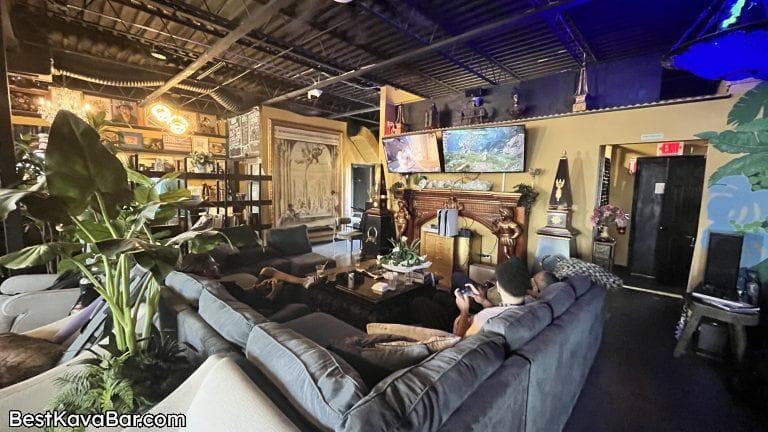
Traditional kava culture is built around sitting, talking, and not being in a rush. That maps surprisingly well onto hemp and CBD lounges, wellness cafés, coffee shops trying to build evening traffic, sober bars, dispensaries with seating, and smoke shops with underused lounge space.
Kava gives people a reason to stay without making alcohol the center of the night. It can help a coffee shop stay relevant after the morning rush. It can give a retail-heavy hemp store something people actually consume on-site. It supports both by-the-glass sales and packaged retail.
It also reaches a lot of the same people already walking through your door — people cutting back on alcohol, functional beverage customers, wellness-oriented folks, late-night hospitality workers, and people who just want somewhere to sit and talk.
That existing room and audience can change the economics substantially. Compare this staged approach with the cost of opening a kava bar from scratch before committing to a separate location or major buildout.
It doesn’t fit every room. If you have no seating, no beverage capacity, and no staff interest in explaining an unfamiliar product, this probably isn’t the right move. But if the atmosphere and the audience are already there, kava can sit on top of what you’re doing instead of replacing it.
Is your venue a good candidate?
Be honest with yourself before you order anything.
- Do your customers already buy functional or nonalcoholic drinks?
- Do people sit and stay, or is almost everything grab-and-go?
- Do you get afternoon or evening traffic?
- Can your staff explain something new without sounding like they’re reading a script?
- Do you have repeat customers or any kind of local community?
- Is there demand nearby for nonalcoholic social options?
- Can your POS track kava and kratom products separately?
- Can you keep recipes and serving sizes consistent?
- Are you willing to buy tested product instead of the cheapest option?
- Can you run a 30-day pilot without needing instant success?
Review the current kava bars across Texas before deciding how crowded your market is. The statewide directory shows where venues are concentrated, but local visits and customer behavior still matter more than a simple statewide count.
Start extremely small. Test packaged products before building a prepared menu.
A small botanical beverage program is probably the right move.
Your room may be able to support traditionally prepared kava, brewed kratom leaf tea, events, and a more complete hybrid lounge.
This isn’t a legal determination. It’s just a reality check on whether your current space and team can actually execute.
The revenue reality most people avoid talking about
Kava-only establishments can work. There are successful ones, especially in markets with an established kava culture. But in a lot of places, kava-only venues have a harder time than bars that also serve quality brewed kratom leaf tea.
That doesn’t mean kava is weak. It means the two categories can serve different needs, different times of day, and different levels of purchase frequency.
Kava has an acquired taste. First-timers usually need some education. Some people love the ritual but don’t order it every day. In newer markets you can spend months teaching people what kava is before the category produces dependable volume. A beautiful room can still struggle when there aren’t enough purchase occasions to cover rent and payroll.
Brewed kratom leaf tea can add daytime traffic, more reasons to visit, a wider range of flavors, higher repeat frequency, more price points, and a customer base that already understands botanical drinks. It also opens the door to clearly labeled kava and kratom combination drinks.
Customers commonly describe white or green products and lower servings as more energizing or daytime-oriented, and red products or larger servings as heavier or more relaxing. A lot of people also say they found kratom while trying to cut back on opioids. Those are common customer experiences. They’re not guaranteed effects, and they shouldn’t become promises that a drink will treat pain or replace professional care. Staff just need to know the difference between describing what people commonly report and diagnosing someone across the bar.
Kava-first doesn’t have to mean kava-only. A stronger model for a lot of venues is traditional or quality prepared kava at the center, with brewed kratom leaf tea as a clearly identified companion category. That’s very different from turning the place into a wall of extract shots and convenience-store products.
Three realistic ways to add kava
Kava Available
Low commitment. Put a few ready-to-drink kava options in the cooler or carry a limited retail selection. Setup is minimal. Training is light. You get real sales data and hear how customers actually talk about the product. The experience isn’t very distinctive, and you shouldn’t call yourself a traditional kava bar. Best for retail-first businesses or operators who just want to test demand.
Botanical Beverage Program
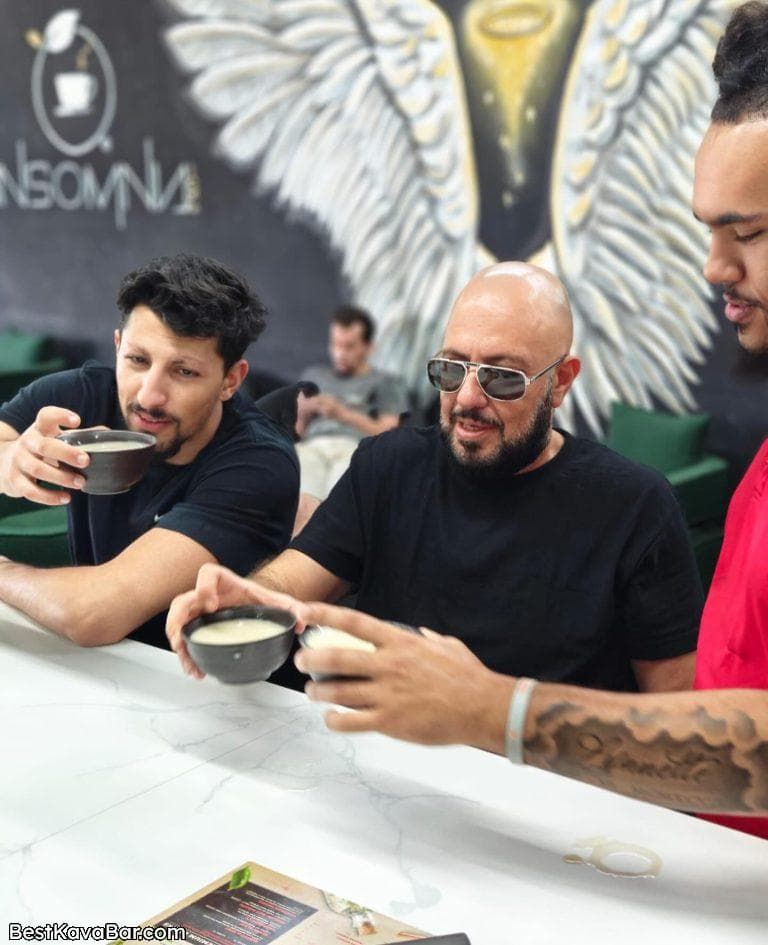
This is the sweet spot for a lot of existing operators. Build a small menu of prepared kava drinks, brewed kratom leaf teas, or both. Something like a straight kava, one approachable flavored kava, one signature mocktail, one house-brewed kratom tea, one blend, and one grab-and-go. Staff learn a few repeatable recipes. You start controlling flavor, consistency, and margin. You don’t need a full traditional prep bar or a total rebrand. Plenty of strong programs stay here for years.
Hybrid Kava Lounge
This is when kava becomes a real part of the identity. You’re straining traditional root, brewing kratom leaf tea in-house, running community nights, hosting tastings, training staff beyond basic scripts, and building regulars around the room. The venue can still be a coffee shop, wellness café, or hemp lounge — it just has a credible botanical side. This level requires more knowledge and discipline, but it also creates a stronger reason for people to choose your place.
If the pilot eventually supports a standalone concept, continue with the complete guide to opening a kava bar.
Quick decision guide
- Not sure customers want kava yet? Start with Level 1.
- Already have beverage service and regulars? Level 2 is usually the right move.
- You already see clear kava or kratom demand? Level 3 can make sense once the basics are proven.
Choosing the right form of kava
| Format | Setup | Staff effort | Customer experience | Best for |
|---|---|---|---|---|
| Canned / RTD | Low | Low | Convenient, familiar, less distinctive | Initial testing |
| Concentrate / extract | Low | Low–medium | Easy to mix, quality varies a lot | Simple menus |
| Instant kava | Medium | Medium | Closer to a prepared drink | Small programs |
| Traditionally strained kava | Higher | Higher | Fullest cultural and sensory experience | Hybrid lounges |
RTDs are the easiest place to start. Just read the full ingredient list — some products marketed as kava also contain kratom or other actives. That doesn’t automatically make them bad, but staff should know what’s in the bottle.
Concentrates can be useful for mocktails, but quality is all over the place. Ask what part of the plant was used, where it came from, how it was extracted, and whether the current batch is tested.
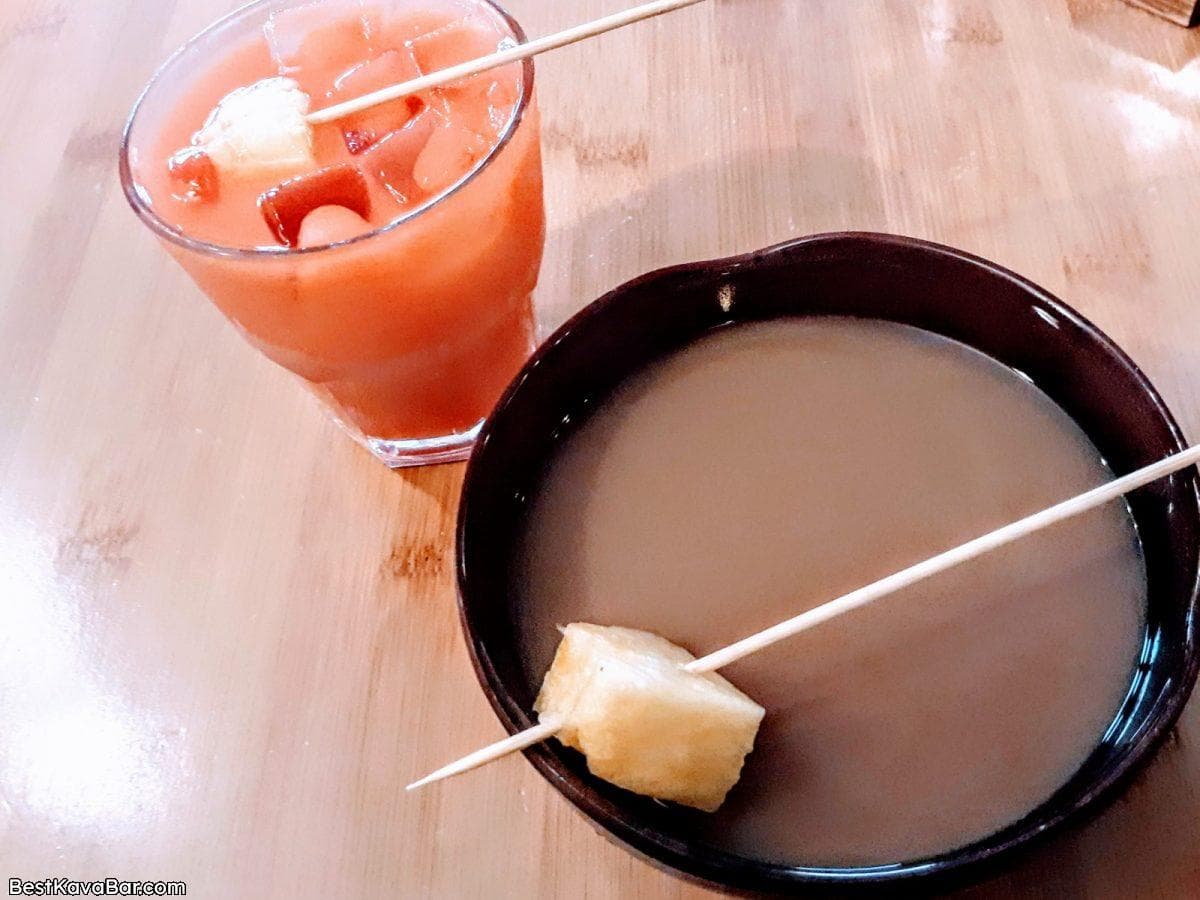
Instant kava is often the practical middle ground. It’s easier to train than traditional root, but “instant” can mean different things, so make the supplier explain exactly what you’re buying. It usually can’t match the texture or ritual of properly strained root.
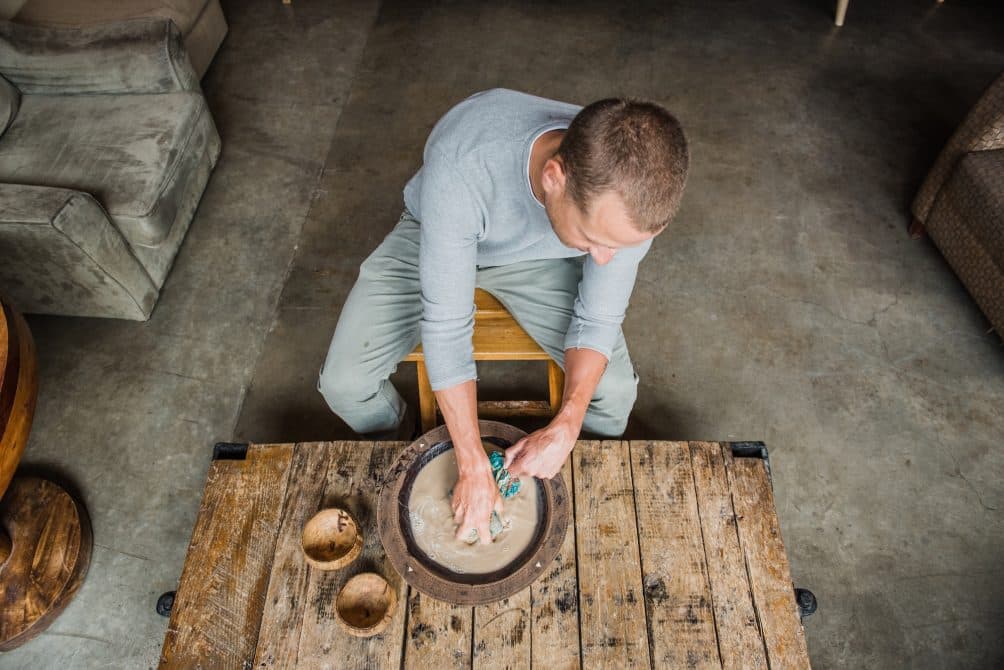
Traditional preparation takes more work, but it creates the strongest connection to the product and the culture. Don’t call something traditional just because it’s brown and served in a shell.
Adding brewed kratom leaf tea the right way
Kava and kratom are different plants. They have different histories and different consumer expectations. But they’re commonly served in the same venues, and a lot of established kava bars offer both — including clearly labeled combination drinks.
The existence of the combination isn’t the problem. The real questions are: Are you using actual kratom leaf? Is it tested? Is the recipe consistent? Does the menu say what’s in the drink? Are you staying away from concentrated 7-OH and synthetic alkaloids?
Kratom formats that actually work in a beverage program
- Whole leafCan make excellent tea when the source is good, but harder to find consistently.
- Crushed leafUsually the most practical balance of availability, brewing, filtration, and finished-drink quality for a café program.
- PowderCheap and easy to find, but often gritty and inconsistent.
- Standardized extractEasier to portion, but needs more scrutiny.
- Concentrated 7-OH or synthetic derivativesFundamentally different from traditional leaf tea. Avoid.
Texas law currently limits 7-OH content and prohibits synthetic alkaloids, and the DEA’s July 2026 action targets concentrated 7-OH products specifically. A credible botanical lounge should make the difference between real leaf tea and high-concentration 7-OH products part of its identity.
You can keep kava and kratom in separate menu categories, use kratom as a house botanical base (as long as you say so clearly), or let customers choose their base. The practical rule is simple: don’t hide the product. Customers should be able to tell whether they’re ordering kava, kratom, or both.
Choosing suppliers without getting burned
Cheap product with changing flavor or weak documentation will cost you more than buying something dependable. Use the full BestKavaBar wholesale supplier guide to build a shortlist, then ask every candidate for the same evidence.
For kava, look for:
- Noble kava identification
- Country and region of origin
- Plant parts used
- Batch-specific certificates of analysis that match the actual lot number
- Heavy metals and microbiological testing
- Ingredient transparency
- Extraction method (if using concentrates)
- Shelf life and storage guidance
- Consistent batches
- Product liability documentation
- Reasonable minimum orders and lead times
- Clear substitution policy
- Preparation support and a real contact when something goes wrong
For kratom, look for real leaf (not mystery formulas), clear format identification, batch-specific testing including mitragynine and 7-OH levels, confirmation of no synthetics, consistent cut, brewing guidance, and reliable lead times.
Sample from more than one supplier. Test taste, sediment, preparation time, consistency, and delivered cost before you commit to volume. When you’re ready, request introductions based on your venue type, city, preferred formats, and launch level.
Keep the operational side simple but solid
You don’t need a 90-page binder. You do need the basics under control. The kava bar equipment guide and POS comparison can help turn these checks into a real setup.
- Check the food and beverage requirements for your location
- Tell your insurer exactly what you plan to serve
- Confirm your payment provider accepts the actual product set
- Set consistent recipes and serving sizes
- Track batches
- Write down storage and discard rules
- Give staff clear explanations of each category
- Keep kava, kratom, and blends identifiable in the POS
- Stay away from unsupported medical promises
That’s it. This isn’t about scaring anyone. It’s about avoiding preventable problems so you can focus on selling a good product consistently.
How to talk about the drinks like a normal person
Customers are going to ask what the drinks feel like. Staff should be able to answer without sounding like a disclaimer robot.
For kava“Kava is a traditional South Pacific root beverage. People commonly choose it when they want to relax, unwind, or be social without alcohol. The taste is earthy, and some people notice temporary mouth numbness.”
For kratom leaf tea“This is brewed kratom leaf tea, not a concentrated 7-OH product. Customers describe the experience differently depending on the leaf and the amount. White and green products are often chosen for daytime, while red products are often chosen for a heavier or more relaxed experience.”
For a combination“This one has both kava and brewed kratom leaf tea. It’s one of the more approachable ways to try both, but we also have kava-only and kratom-only options.”
That’s clear and useful. Staff don’t need to memorize a botanical encyclopedia. They just need to answer five basic questions: What is it? What does it taste like? How was it prepared? Does this drink contain kava, kratom, or both? What would you recommend to a first-timer?
Positioning and getting visible
Don’t rebrand the whole place overnight. Simple language works:
- “Kava now available”
- “New botanical drinks”
- “House-brewed kratom leaf tea”
- “Nonalcoholic kava mocktails”
- “Come try the new kava menu”
Support it with clear menu descriptions, table cards, staff recommendations, a small tasting night, and social posts.
Before you launch, check whether your venue is already listed on HappyKava. Claim the profile, update your photos and hours, add the new botanical menu, and publish your launch event. That gives existing kava customers something concrete to discover instead of waiting for your regular audience to figure out the category from scratch. BestKavaBar and HappyKava also connect you to the wider community of operators who’ve already solved a lot of these problems.
A realistic 30-day launch plan
Pick the model
Pick one model. Check basic permit and insurance questions. Contact a couple suppliers. Talk to regulars. Look at what’s already nearby. Don’t order a wall of inventory yet.
Build and cost the menu
Select the products. Create three to six drinks. Write the recipes, set serving sizes, calculate full costs, and test them during a busy period. Decide how kratom fits (separate category, house base, or selected blends).
Train and prepare
Train the team. Make a simple staff guide, printed menu, and table cards. Claim or update your listings. Soft-announce to existing customers.
Soft launch and measure
Soft launch. Track these numbers:
- Units sold per item
- Kava vs. kratom vs. blends
- Average ticket
- Repeat orders
- Sales by daypart
- Prep time
- Waste and remakes
- Customer requests
- Gross contribution per drink
Opening-night curiosity is nice. Repeat sales are what matter. Then decide: stop, simplify, continue, or expand one thing.
Common mistakes that keep showing up
- Launching a huge menu on day one
- Spending heavily before testing demand
- Calling yourself a traditional kava bar too early
- Treating kava like another flavored syrup
- Building a kava-only program without checking whether the market can support it
- Refusing to even evaluate brewed kratom leaf tea for ideological reasons
- Buying purely on price
- Using inconsistent serving sizes
- Barely training the staff
- Hiding kratom inside vaguely named drinks
- Treating every kratom product as the same as natural leaf tea
- Carrying high-7-OH or synthetic products
- Making medical promises
- Ignoring the actual experience of the room
Avoid those and you’re already ahead of most first attempts.
A Texas example
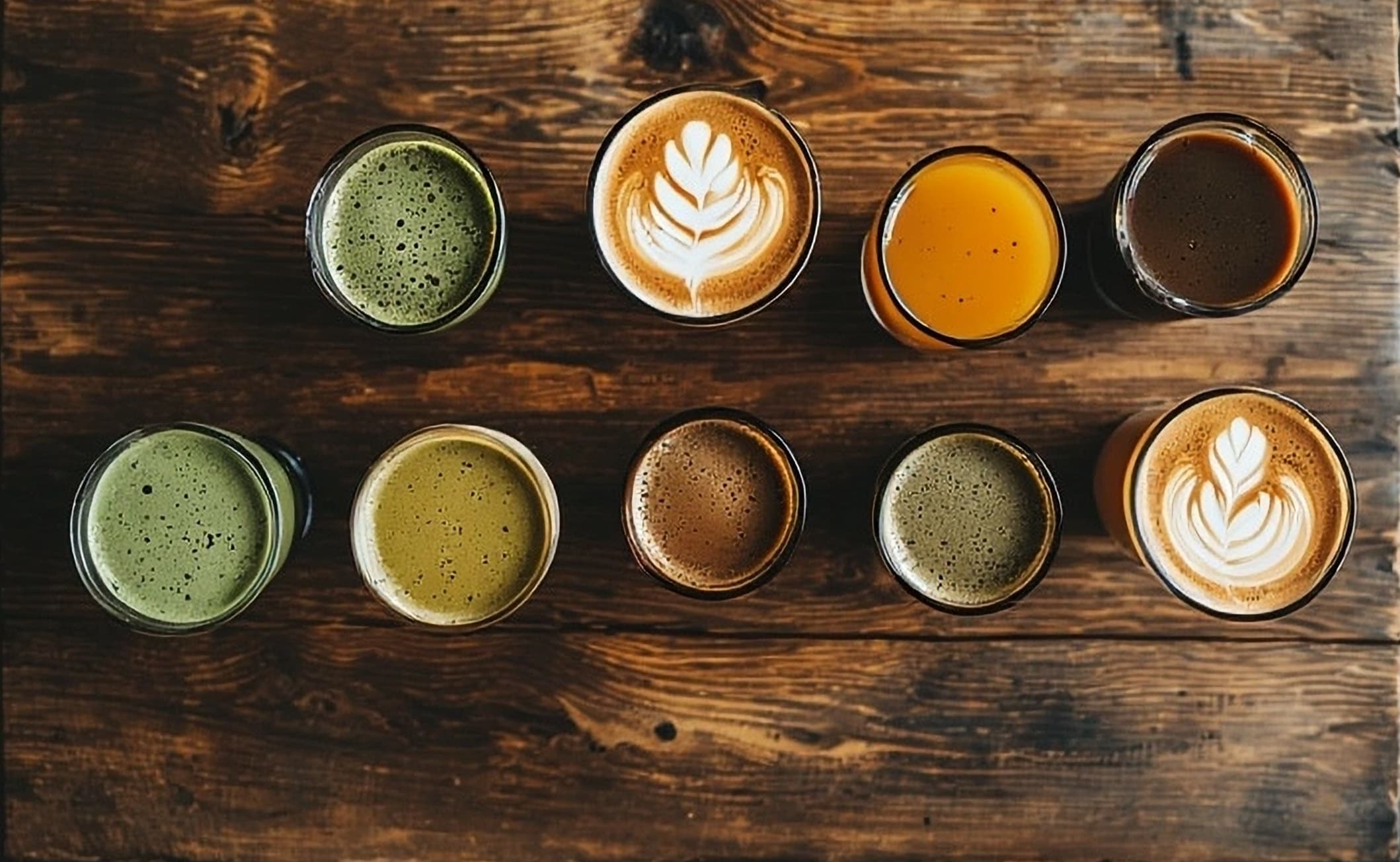
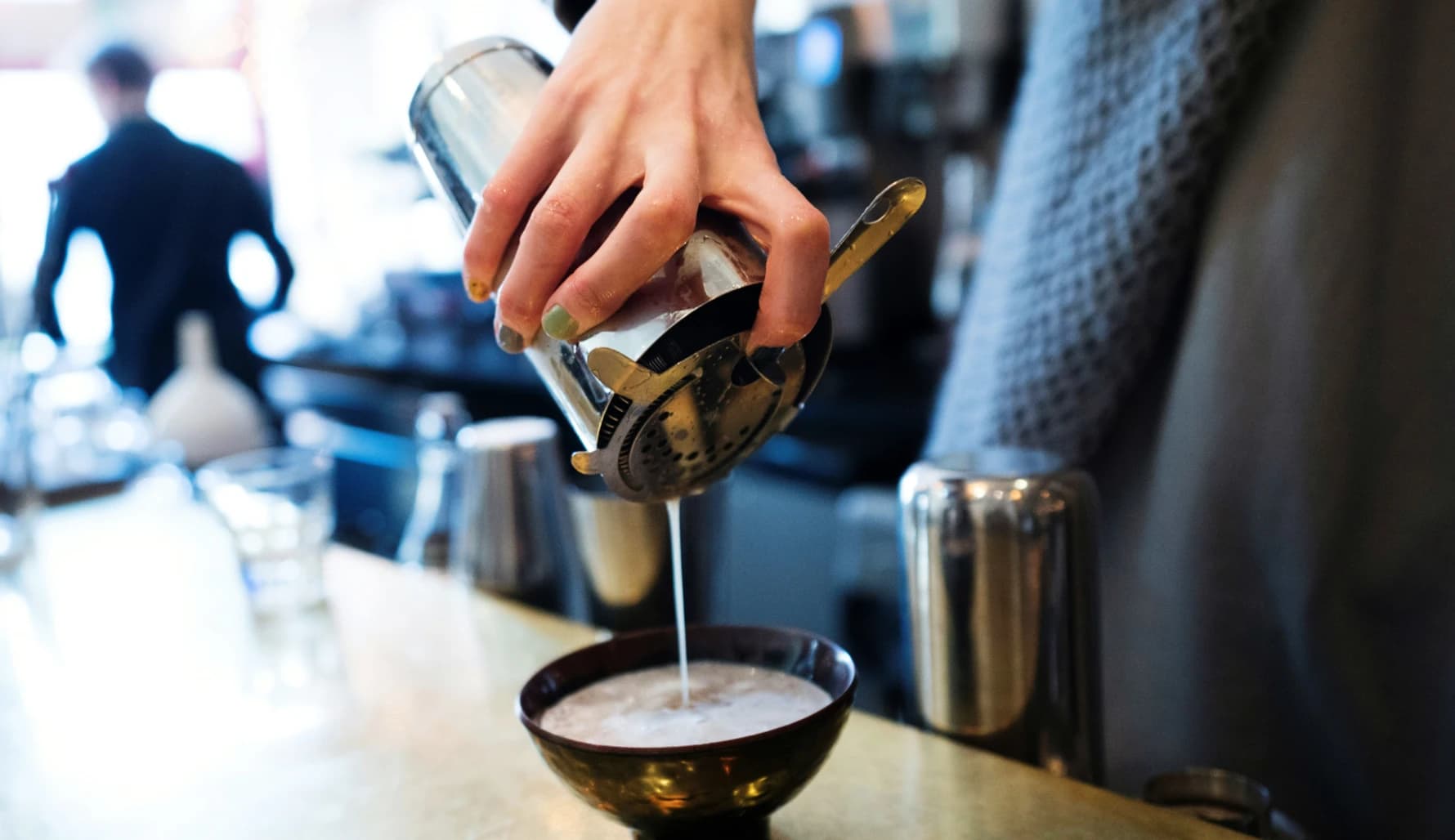
Leaf Café in downtown McKinney is a useful local illustration of evolution instead of reinvention. They started as a broader café and wellness concept and gradually made kava a real focus while keeping the original identity. They serve authentic mocktails from single-sourced Vanuatu root processed in-house, alongside ready-to-drink options and other botanical drinks, all inside a space that still works as a regular café.
Why it matters: Leaf Café shows that the transition does not have to be binary. Familiar café products lower the barrier for first-time visitors, while kava and other botanicals create new reasons to visit later in the day.
Your next three actions
Start small
- Select two or three quality packaged kava products.
- Train staff on a simple explanation.
- Claim or update your listings and track sales for 30 days.
Build a botanical menu
- Choose one dependable kava base and one brewed kratom leaf format.
- Develop three to six repeatable drinks.
- Run a controlled soft launch and measure what customers reorder.
Develop a hybrid lounge
- Add traditionally prepared kava and a dedicated brewing system.
- Train staff beyond basic product scripts.
- Build recurring events and community around the room.
You don’t have to do this all at once. You already have the room. You may already have the staff and much of the audience. The opportunity is to build something new from the assets you’ve already paid for.
Kava can become the cultural and social center of the program. Brewed kratom leaf tea can broaden the menu, strengthen repeat traffic, and make the business more sustainable. The two don’t have to compete.
The programs that last are the ones that grow from actual demand, consistent execution, good products, and honest positioning.
That’s it.
Frequently asked questions
Do I have to become a full kava bar?
No. You can start with packaged products, move into prepared drinks, and add traditional service only when demand supports it. Use language that matches what you actually offer.
Should I offer kratom too?
For many venues, it deserves serious consideration. Brewed kratom leaf tea can add daytime traffic, more reasons to visit, and higher repeat frequency.
Can I serve kava and kratom together?
Yes. Many bars do. Clearly identify what’s in the drink and use quality, tested products.
What’s the easiest kava format to start with?
RTD for pure testing, quality instant for a basic prepared menu, traditionally strained root for the full experience.
What’s the best kratom format for brewed tea?
Usually crushed leaf for the balance of availability, brewing, filtration, and finished-drink quality.
How do I know whether to expand after 30 days?
Look at repeat purchases, contribution per drink, operational consistency, and actual customer demand.