 Featured profile
Loading BestKavaBar
Getting the next page ready.
The page is on its way. Navigation stays available while current details and results load.

Loading BestKavaBar
Getting the next page ready.
The page is on its way. Navigation stays available while current details and results load.
Your third space. Kava bars: alcohol-free spots to unwind, meet people, and share a traditional South Pacific drink.
Some chill. Some buzz late. The best feel like home.
Find yours. Grab a shell. Say Bula! Stay awhile.
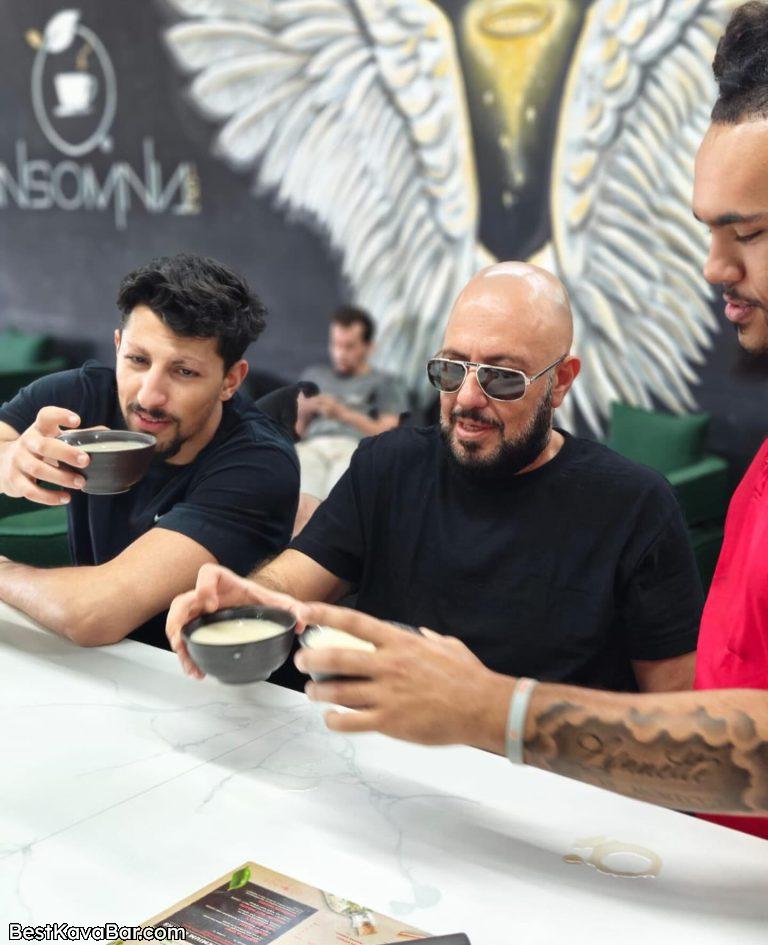
Curious? Stop by and grab a shell
Here are some of the coolest and most unique kava bars in the country you should know about.
Featured profile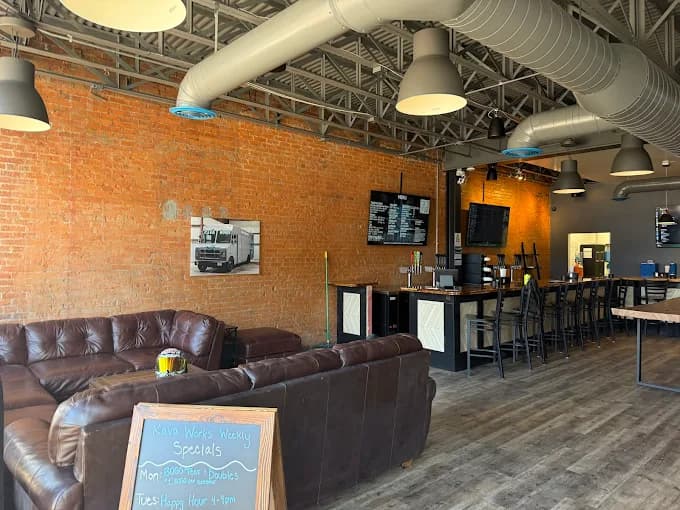 Featured profile
 Featured profile
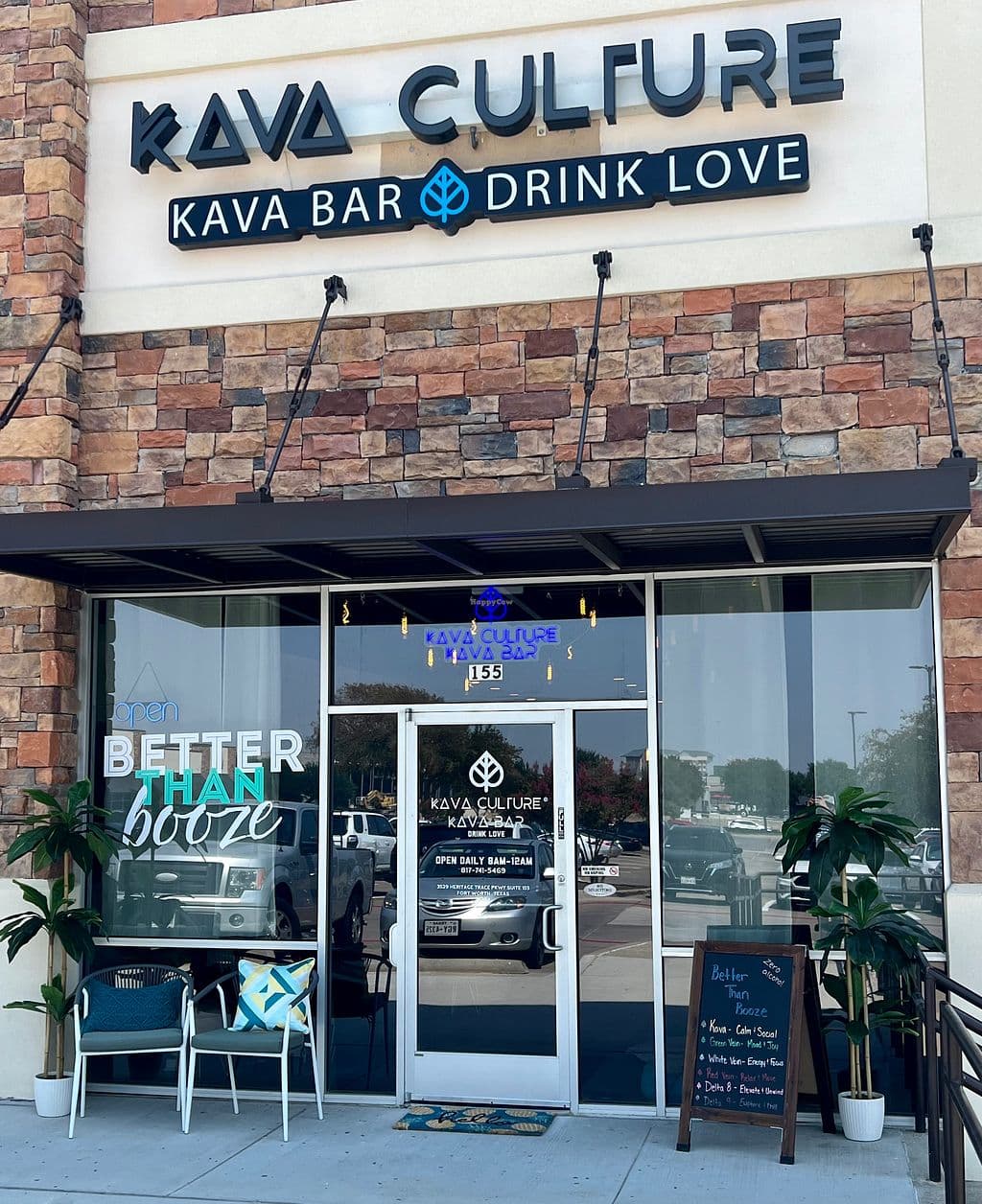 Featured profile
Featured placement never changes a bar's rating, operating status, review details, or leaderboard position.
The BestKavaBar Official Preview for
Every kava bar is someone’s best kava bar, but these kava bars have the numbers to back it up—hundreds of customers that agree. Rankings are determined by both average rating and volume of reviews, so even new bars have a chance to top the list. And this year is something special.
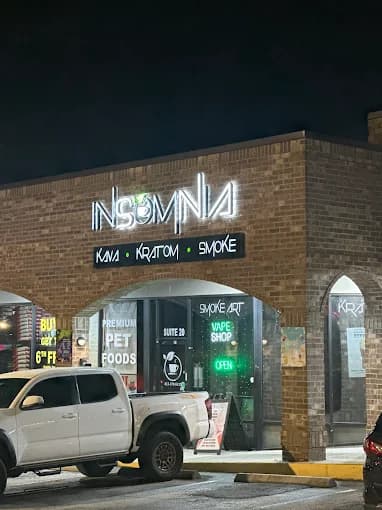
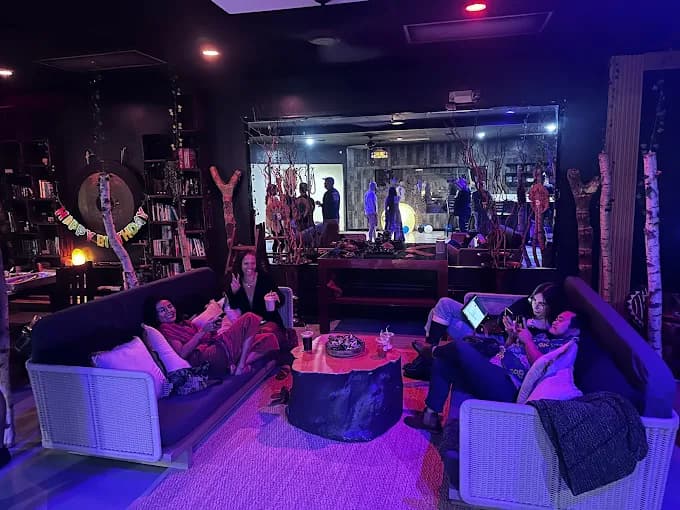
5.0 stars · 1,907 reviews
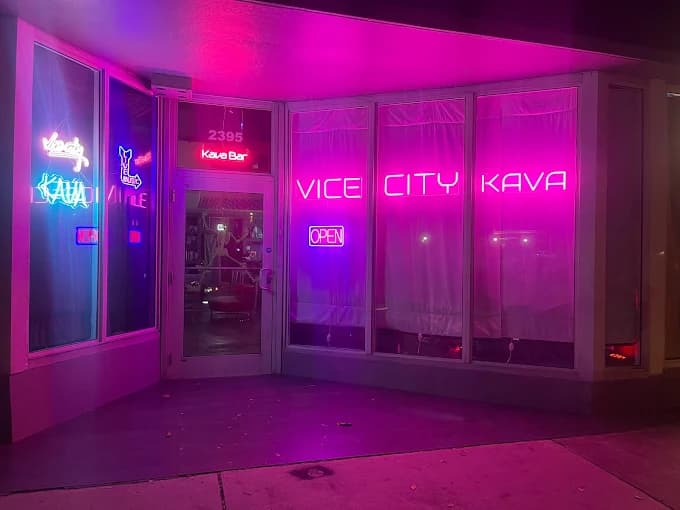
5.0 stars · 1,239 reviews
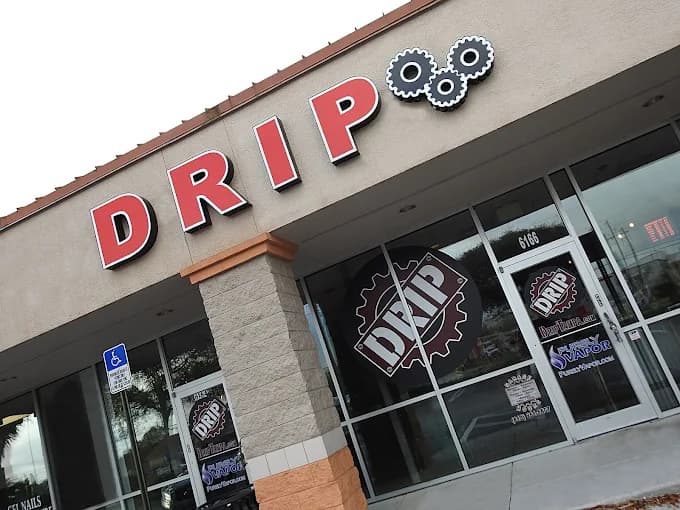
5.0 stars · 1,056 reviews
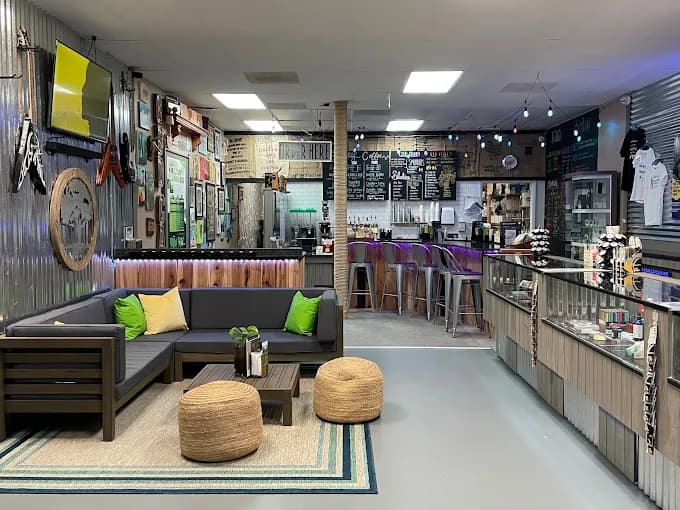
4.9 stars · 1,388 reviews

5.0 stars · 442 reviews
5.0 stars · 359 reviews
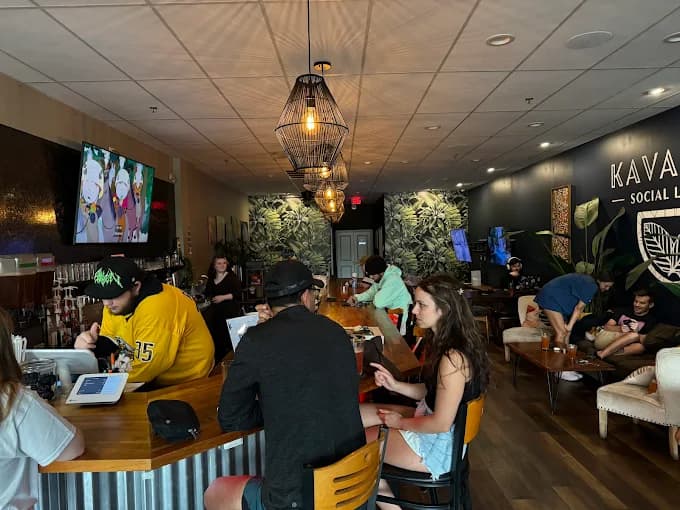
4.9 stars · 833 reviews
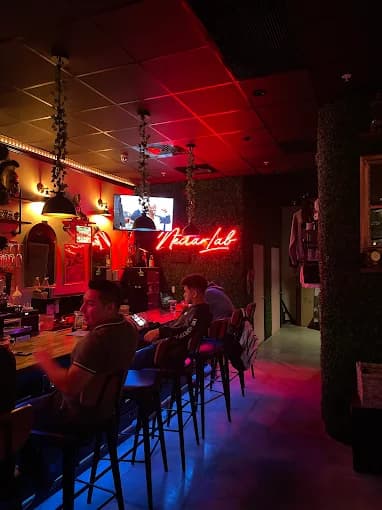
4.9 stars · 793 reviews
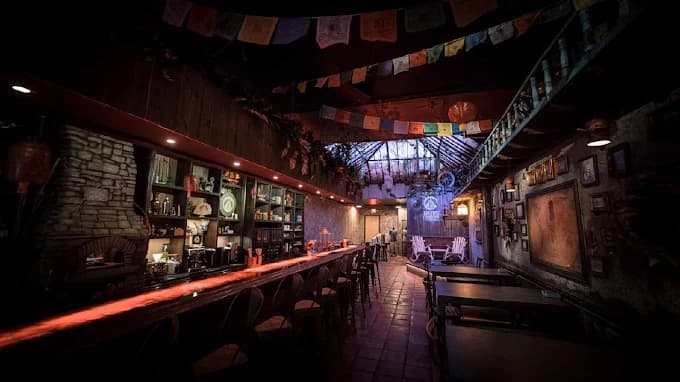
4.9 stars · 726 reviews
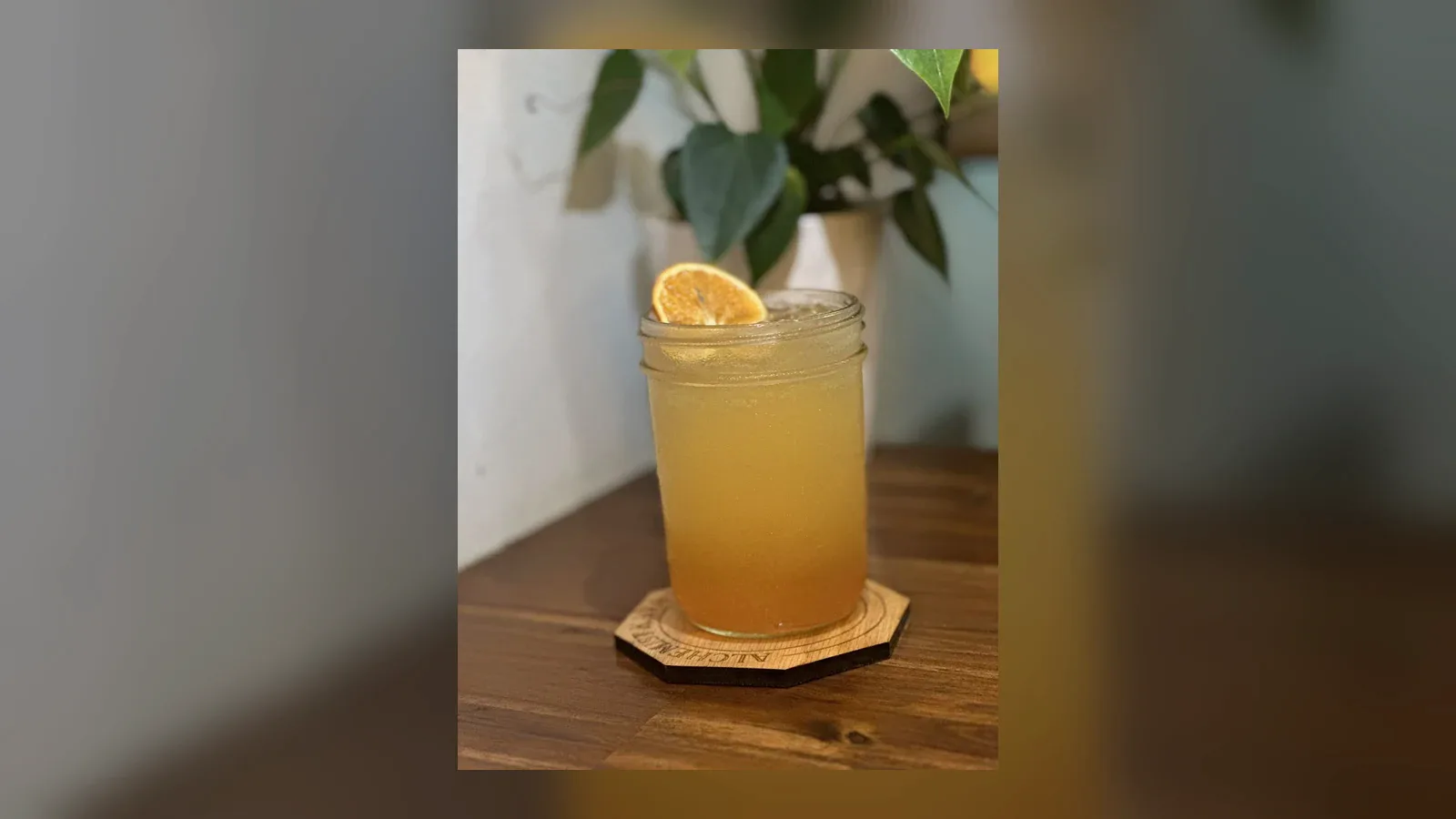
5.0 stars · 274 reviews
Local standings
Community reviews
First-hand details help people compare atmosphere, service, consistency, and what a bar actually does well.
Chill vibes, comfortable seating, and a great community. Easily my favorite kava bar in Colorado Springs.
Strong drinks, fair prices, and amazing customer service. The staff always make you feel at home.
Great atmosphere, friendly staff, and excellent kava. One of the best places in town to relax and meet people.
My go-to hangout spot for the last three years. Some of the friends and memories I have made here are irreplaceable.
Very relaxed and cozy. I love the games, the service was great, and the drinks were even better.
Highlights are shortened. Open the full venue profile for more context and always confirm time-sensitive details with the bar itself.
Explore by place
Start with a popular city guide or go straight to any state with current listings.
Dedicated market pages with current venues, rankings, and local context.
Choose a state page when one is available, or open a filtered search for the remaining markets.
Don't see your area? Search by city, ZIP, or venue name, or tell us about an active bar we're missing.
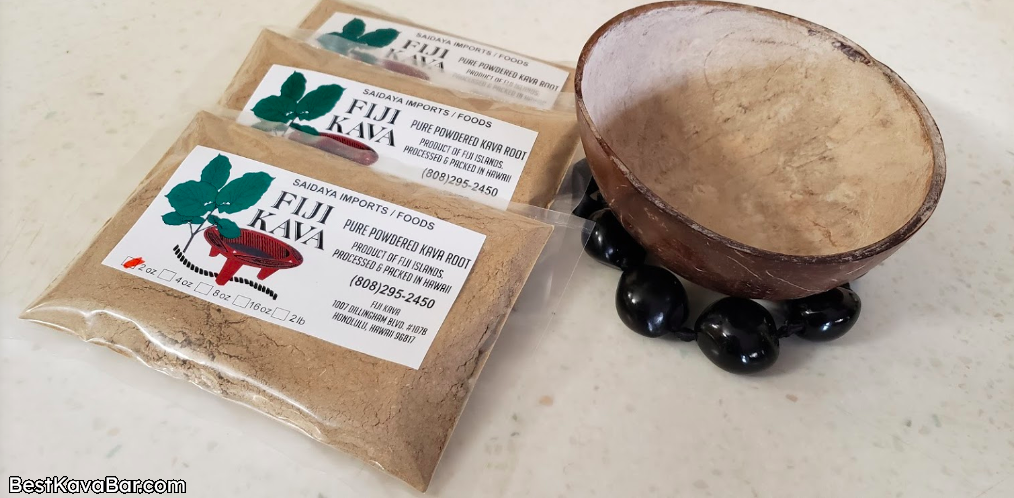
A modern kava bar can feel like a mellow lounge, a community living room, a late-night café, or some combination of the three. It helps to understand the basics before you judge the shell.
Stories from the kava community
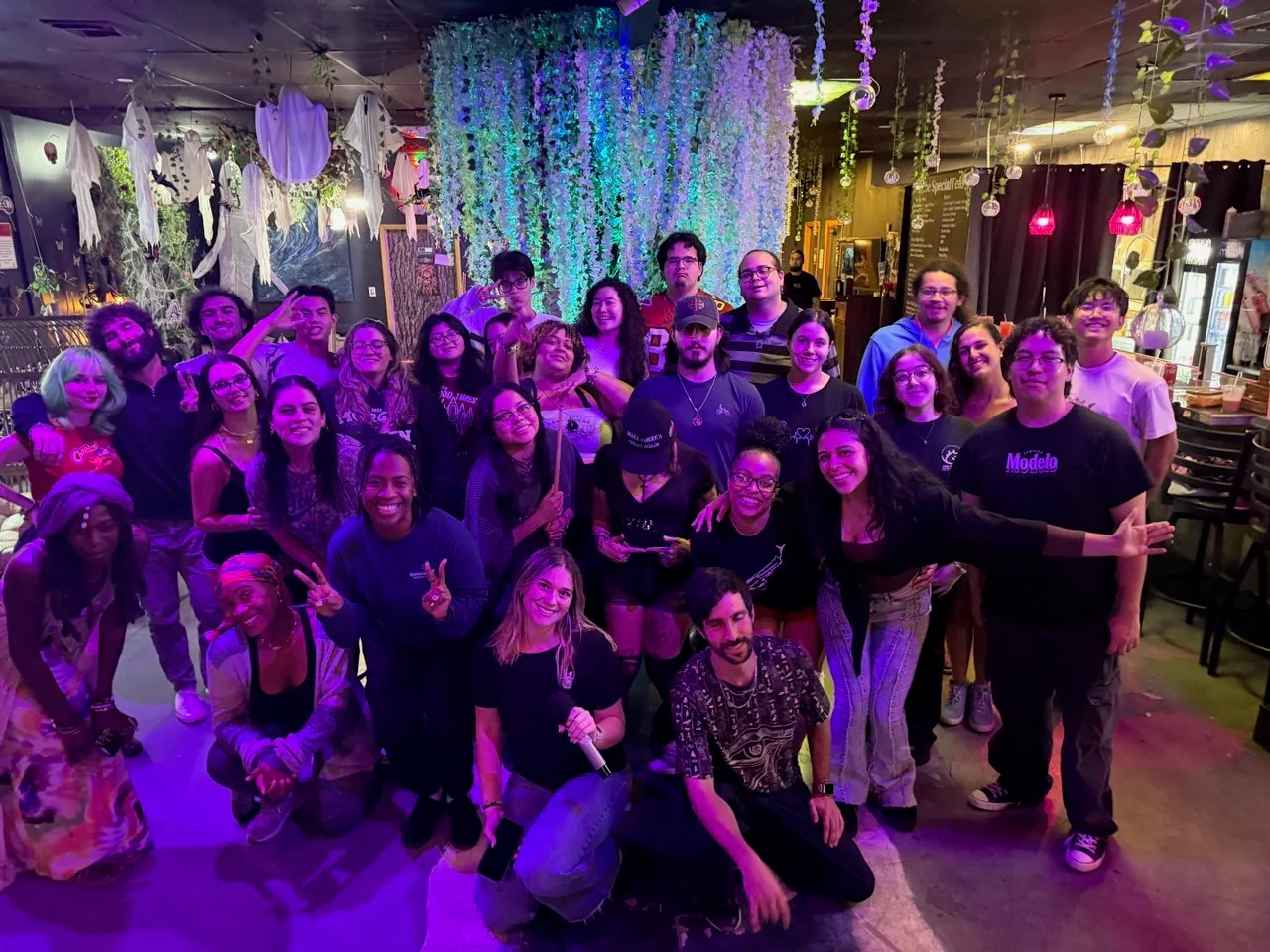
10X the customers. Explosive growth. And a community unlike anything else in the industry. Inside the unconventional playbook, people-first philosophy, and business discipline behind the world's fastest-rising kava bar.
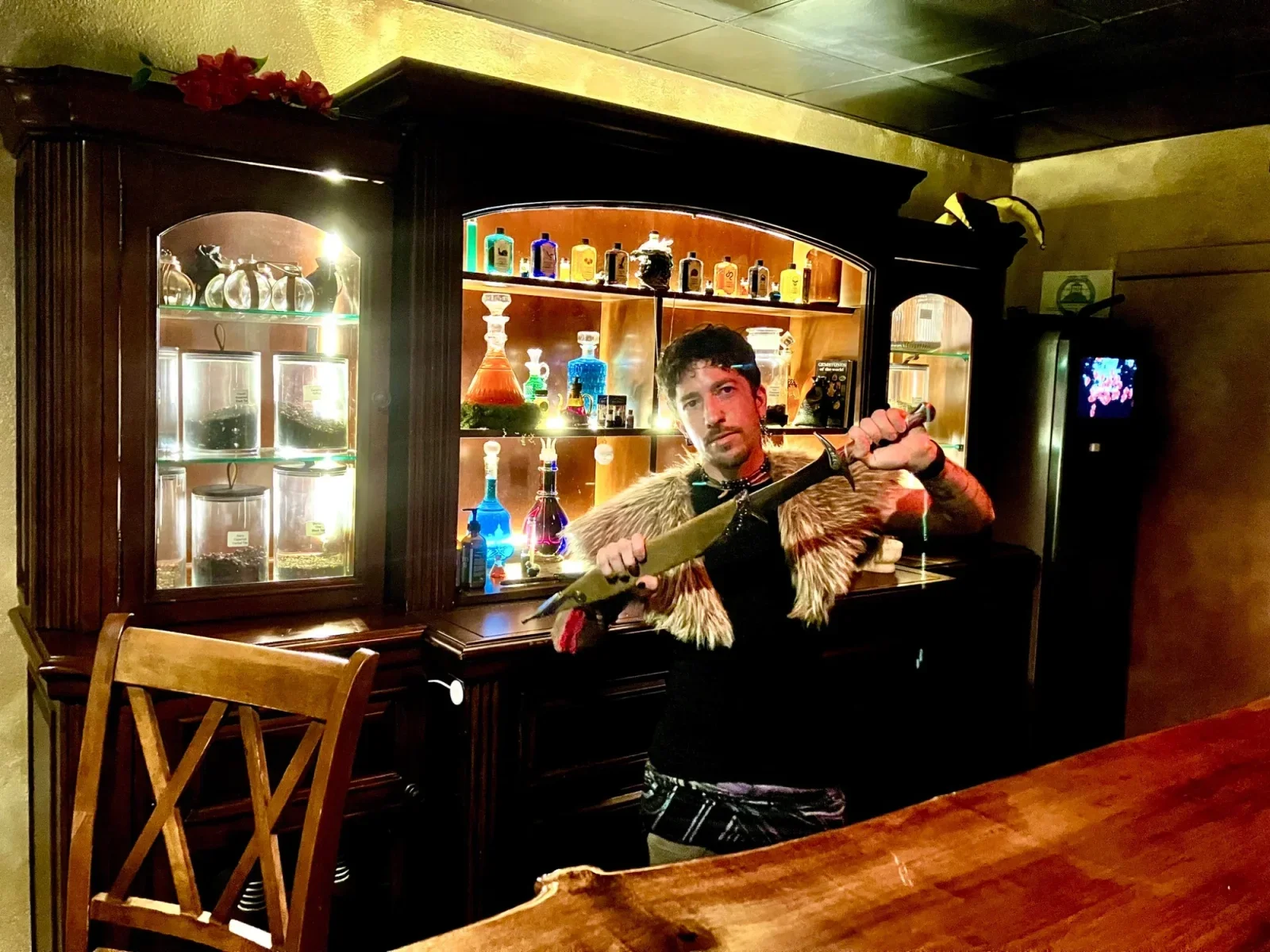
Moon & Root Apothecary brings kava, tea, games and a fantasy-tavern atmosphere to downtown Asheville. Its customers describe warm welcomes and a place to settle in. Here’s why we’re encouraging the kava community to visit—and the history readers should know as they decide for themselves.
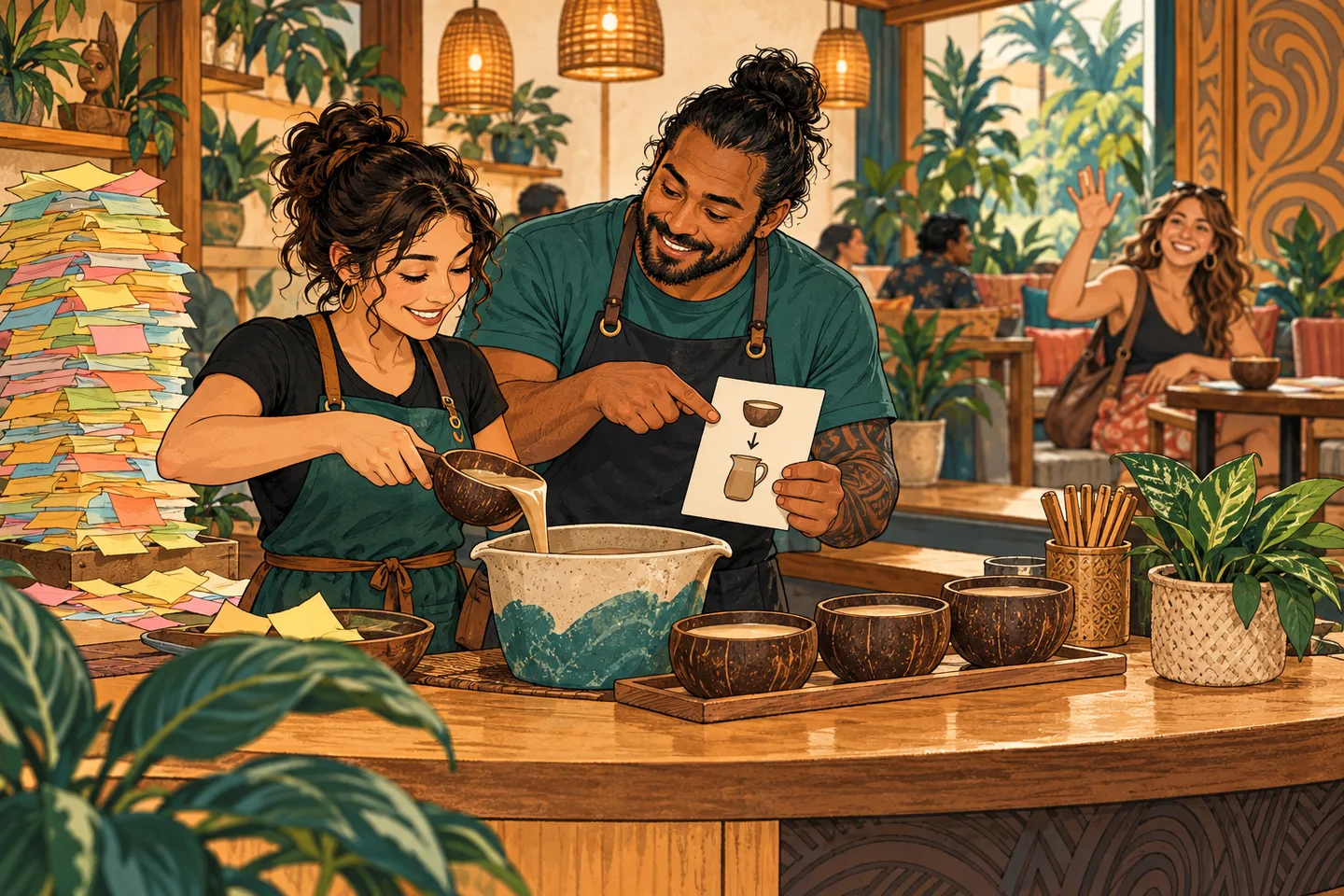
Train kavatenders by demonstrating the work, practicing realistic situations and observing the skills before they run a shift. This handbook gives owners a seven-stage plan for consistent preparation, clear menu explanations, welcoming service and reliable handoffs.