Kava-forward
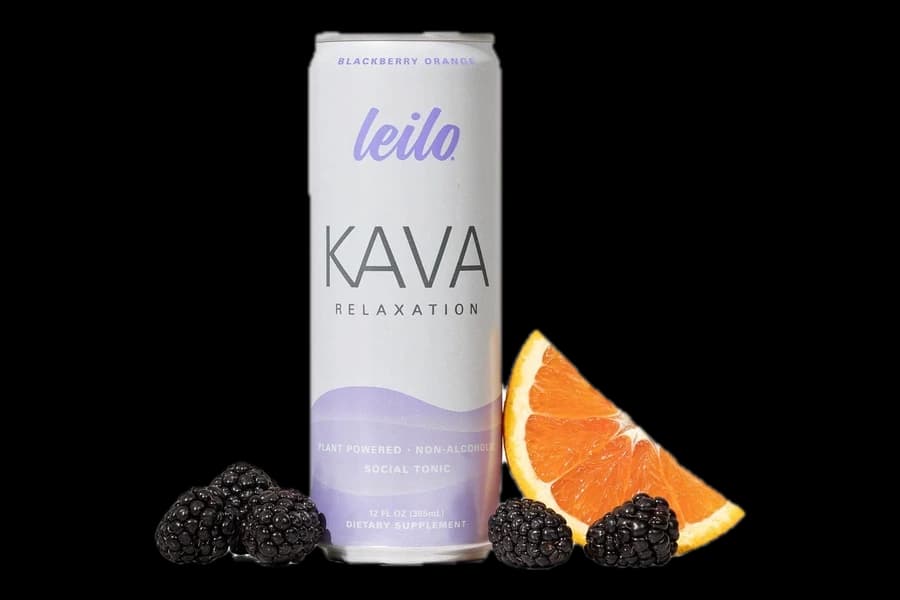
Leilo
Kava Tonic
Best for The easiest first can
Leilo is our #1 because it feels like the easiest jump from sparkling water or soda. Six familiar flavors make it easy to find a first can without overthinking it.
- Format
- 12 oz sparkling kava tonic
- Flavors
- Blackberry Orange, Tangerine Mango, Raspberry Hibiscus, Lime Margarita, Piña Colada and Moscow Mule
- Kava amount
- 1,000 mg proprietary kava extract per can. Kavalactones are not listed
- Other actives
- L-theanine
- Caffeine
- No caffeine listed
Know before you buyIt drinks like a polished tonic, not a traditional shell. Choose the flavor you actually want and give the ingredient panel one quick read.
Kava-forward
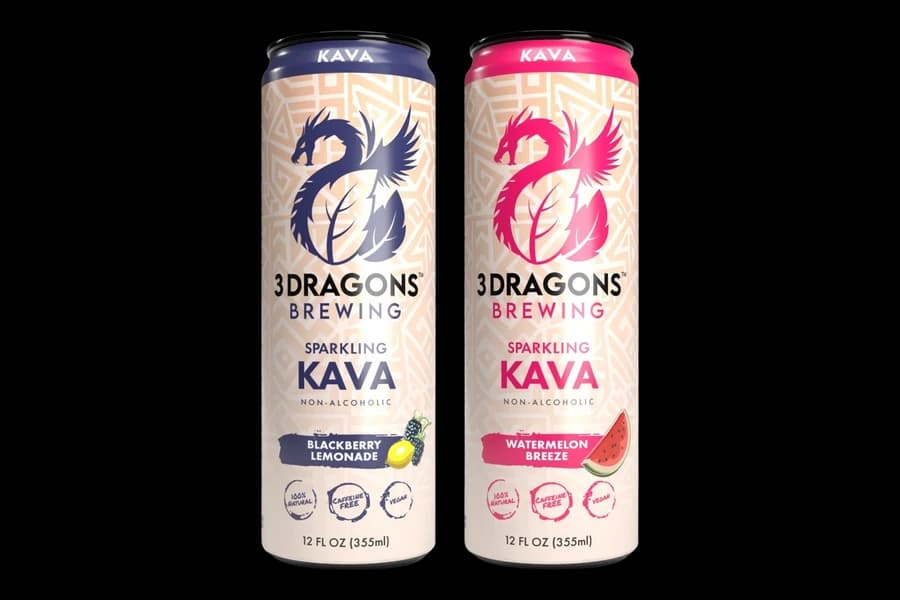
3 Dragons Brewing
Kava Sparkling
Best for A soda-style kava option
3 Dragons takes #2 for a simple reason: it is the most soda-like option in our top three. Choose Blackberry Lemonade or Watermelon Breeze and you are done.
- Format
- 12 oz sparkling kava soda
- Flavors
- Blackberry Lemonade and Watermelon Breeze
- Kava amount
- Kava is listed, but the amount of extract or kavalactones per can is not
- Other actives
- No added functional ingredients listed
- Caffeine
- Caffeine-free
Know before you buyMake sure the can says Kava Sparkling. 3 Dragons Brewing makes other botanical drinks too.
Kava-forward
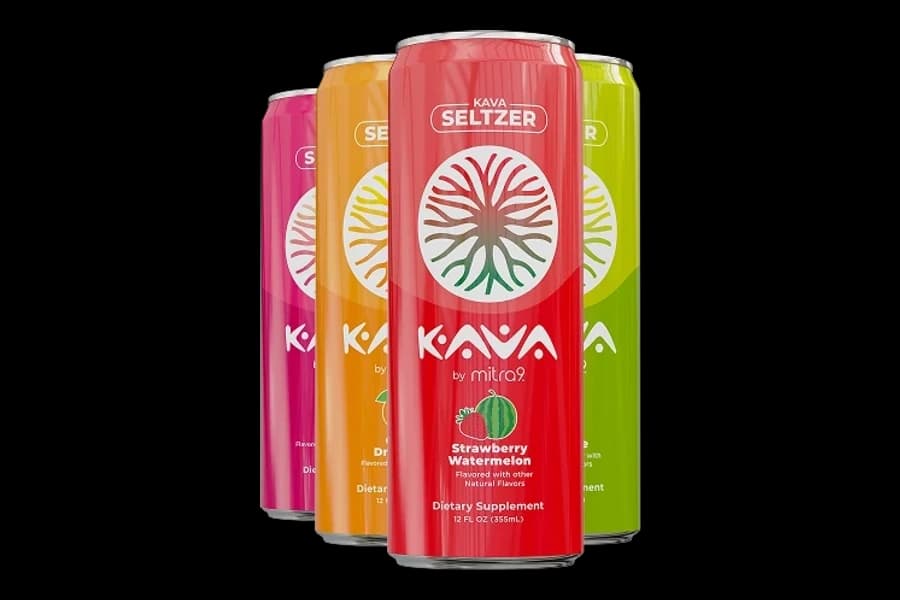
Mitra9
Kava Seltzer
Best for A clearly disclosed kavalactone amount
Mitra9 is the easiest top pick to compare on paper because the can gives you both the extract weight and the kavalactone amount.
- Format
- 12 oz zero-sugar kava seltzer
- Flavors
- Lemonade, Orange Dreamsicle, Strawberry Watermelon and Paradise Lychee
- Kava amount
- 500 mg kava extract delivering 150 mg kavalactones per can
- Other actives
- No added functional blend on the kava-only seltzer line
- Caffeine
- Caffeine-free
Know before you buyShop the Kava Seltzer collection. Mitra9 also sells products with mitragynine, so do not assume every can has the same formula.
Functional blend
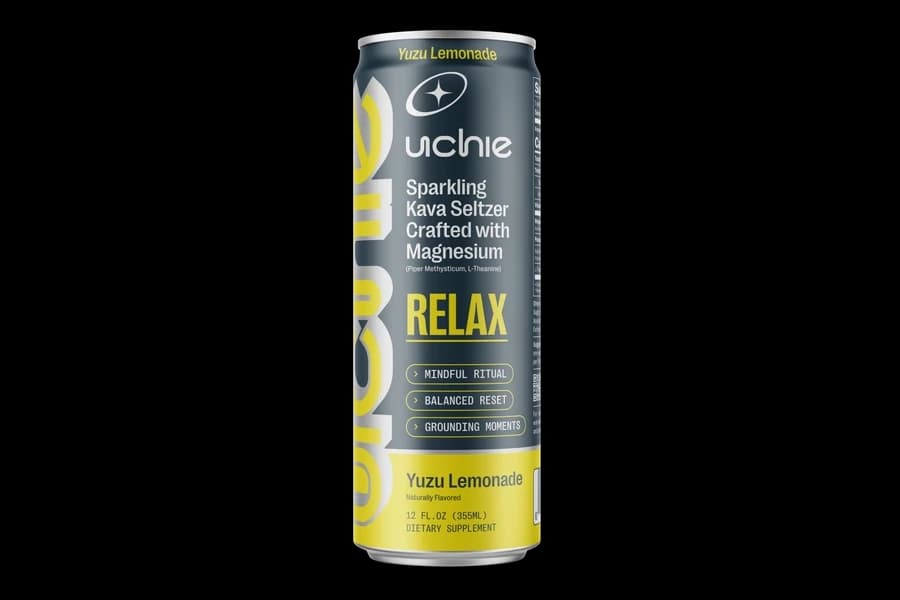
Uchie Relax
Sparkling Kava Seltzer
Best for A clearly dosed kava, magnesium and L-theanine blend
Want the extras spelled out? Uchie combines kava with magnesium and L-theanine, then keeps the flavor choice to Peach Mango or Yuzu Lemonade.
- Format
- 12 oz sparkling kava seltzer
- Flavors
- Peach Mango and Yuzu Lemonade
- Kava amount
- 1,000 mg noble South Pacific kava root extract per can; Uchie separately describes this as roughly 100 mg of kavalactones
- Other actives
- 50 mg magnesium as glycinate and 25 mg L-theanine
- Caffeine
- No caffeine listed
Know before you buyPeach Mango and Yuzu Lemonade have different sugar and calorie counts, so compare the flavor you plan to drink.
Functional blend
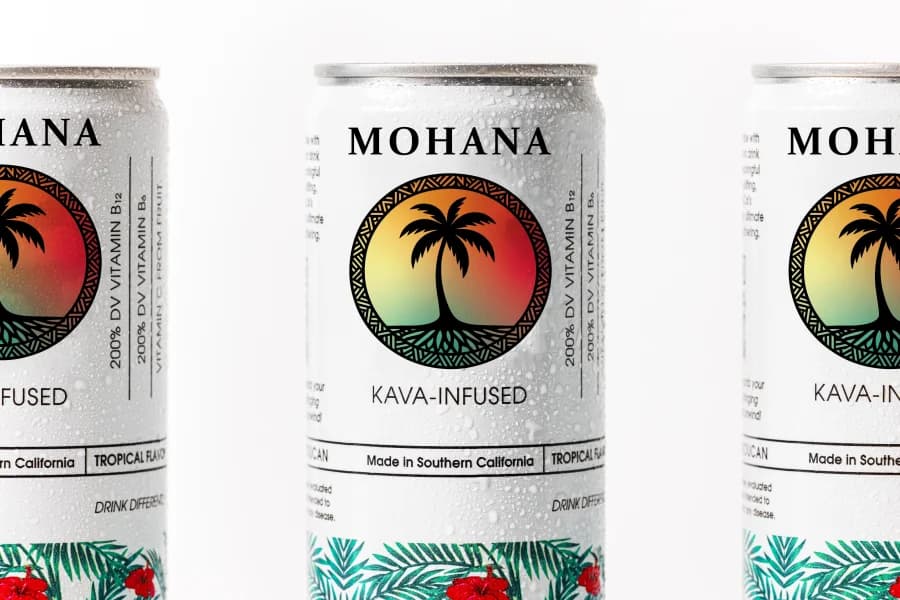
Mohana
Kava Functional Beverage
Best for A tropical kava blend with magnesium and L-theanine
Mohana softens kava’s earthy edge with mango, pineapple and passion fruit. Magnesium, L-theanine and vitamins round out the formula for shoppers who want a fuller functional blend.
- Format
- 12 oz ready-to-drink kava beverage sold in a six-pack
- Flavors
- Mango, pineapple and passion fruit
- Kava amount
- Standardized noble kava root extract. Kavalactones per can are not listed
- Other actives
- L-theanine, magnesium, vitamin C, vitamin B6 and vitamin B12
- Caffeine
- No caffeine amount listed
Know before you buyThe storefront does not list kavalactones per can. Check the current can before comparing its strength with drinks that publish a kavalactone amount.
Kava-forward
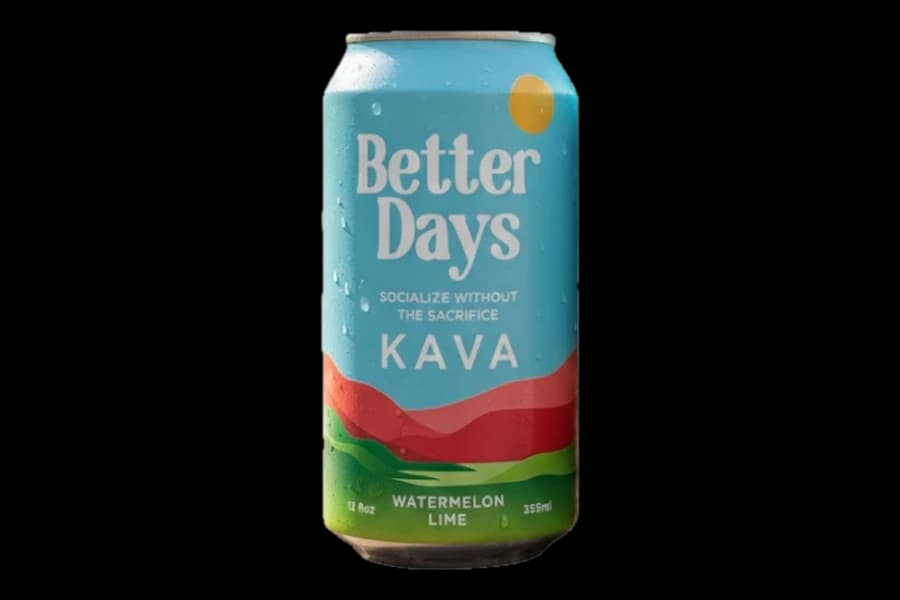
Better Days
Kava Drink
Best for Trying a single bottle locally or online
Better Days is the low-commitment pick because the retailer sells single cans. That is handy if you are curious but not ready for a full case.
- Format
- Ready-to-drink kava beverage
- Flavors
- Watermelon Lime, Pineapple Coconut and Raspberry Lemonade
- Kava amount
- Kava is listed, but kavalactones per can are not
- Other actives
- No added functional ingredients listed
- Caffeine
- No caffeine listed
Know before you buyProduct details come from the retailer listing. Read the can before making it a repeat order.
Kava-forward
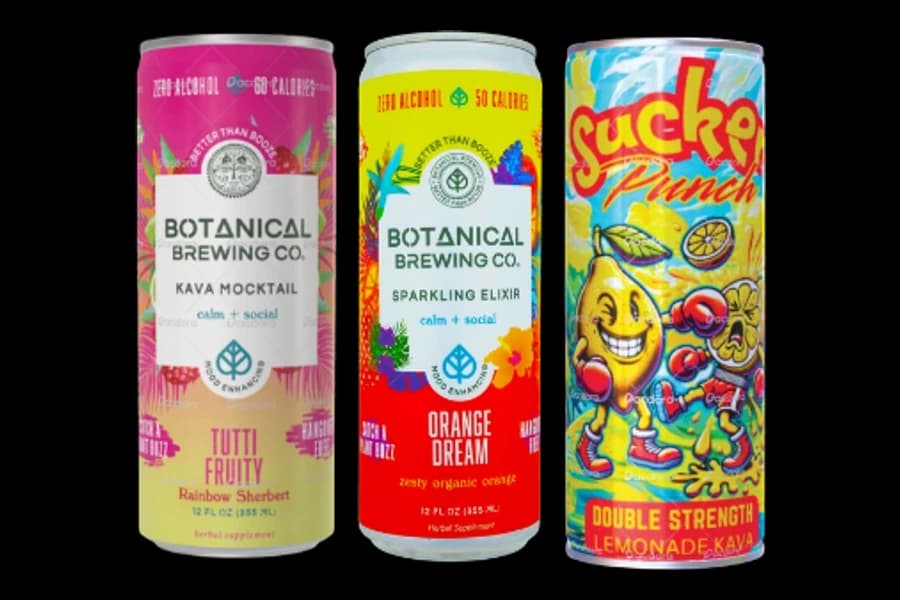
Botanical Brewing
Kava Seltzers
Best for A broad, adventurous flavor shelf
This is the fun shelf: Orange Dream, Tutti Frutti and the louder Sucker Punch. It suits anyone who wants unusual flavors and does not mind checking each formula.
- Format
- Canned kava seltzer
- Flavors
- Orange Dream, Sucker Punch and a variety pack that also includes Tutti Frutti
- Kava amount
- The kava amount varies by flavor and is not consistently listed across the collection
- Other actives
- Varies by flavor
- Caffeine
- Check the can you choose
Know before you buyBotanical Brewing also makes kratom and Delta-9 drinks. Stay in the kava collection and check the front label.
Kava-forward
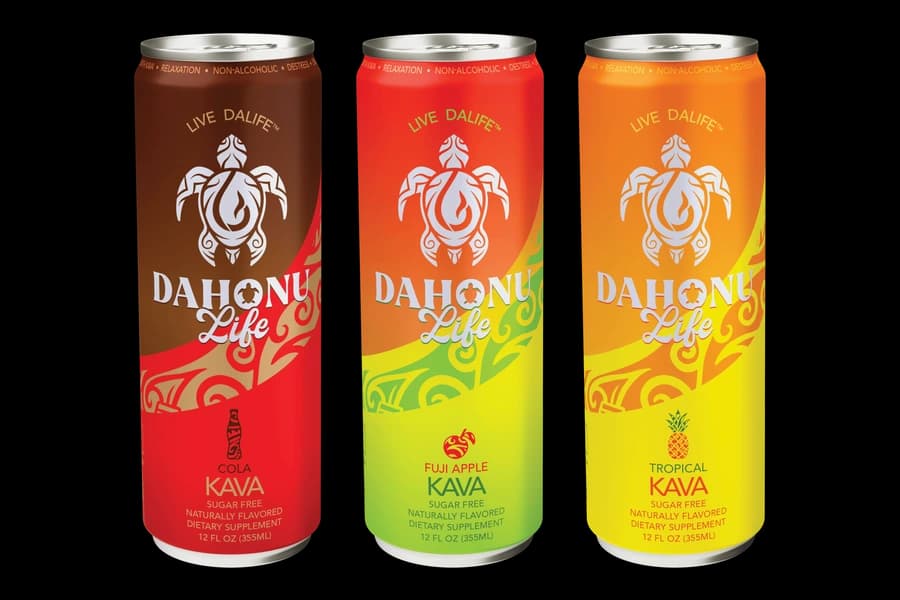
DaHonu Life
Kava Seltzer
Best for Culture-forward brand storytelling
DaHonu stands out with a cola option beside Fuji Apple and Tropical. It is also one of the few brands here that puts Pacific ownership and kava culture at the center of its story.
- Format
- Zero-sugar canned kava seltzer
- Flavors
- Tropical, Fuji Apple and Kava Cola
- Kava amount
- South Pacific kava root in a nano-emulsified extract
- Other actives
- No added functional ingredients listed
- Caffeine
- No caffeine listed
Know before you buyThe brand explains its nano-emulsified kava, but it does not list kavalactones per can.
Kava-forward
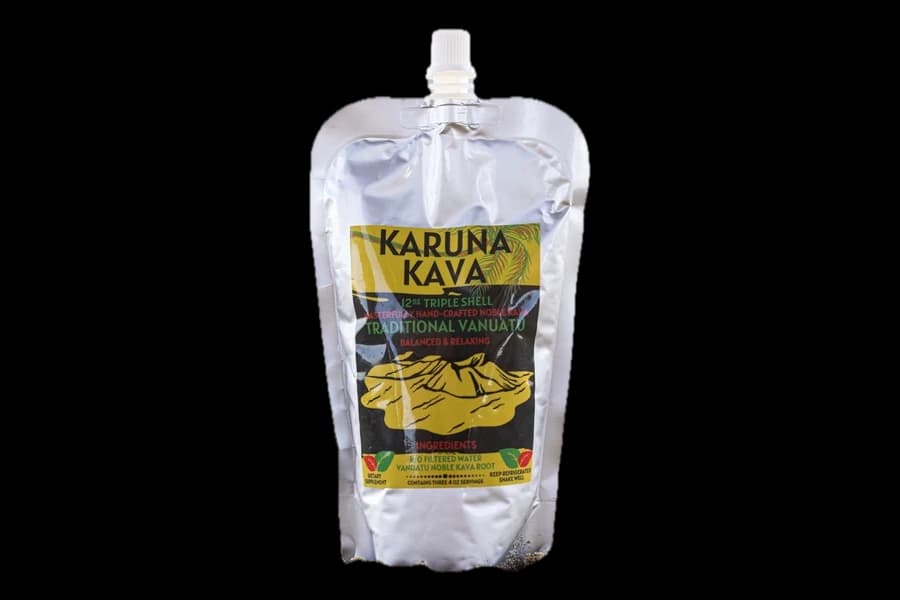
Karuna Kava
Premium Ready-to-Drink Kava
Best for A brewed drink instead of another can
Not every ready-to-drink kava needs to come in a skinny can. Karuna uses resealable pouches and gives you ten flavors, from chai and peach to a more traditional Vanuatu option.
- Format
- Ready-to-drink pouch
- Flavors
- Ten choices including Relaxed Chai, Mulled Peach, Traditional Vanuatu and Pineapple Ginger
- Kava amount
- Brewed kava with selections that identify styles such as Bir Kar Vanuatu
- Other actives
- Tea, fruit and spice ingredients vary by flavor
- Caffeine
- Varies by tea base. Check the flavor you choose
Know before you buyTea base and storage instructions change by flavor. Read the pouch details before choosing.
Kava-forward
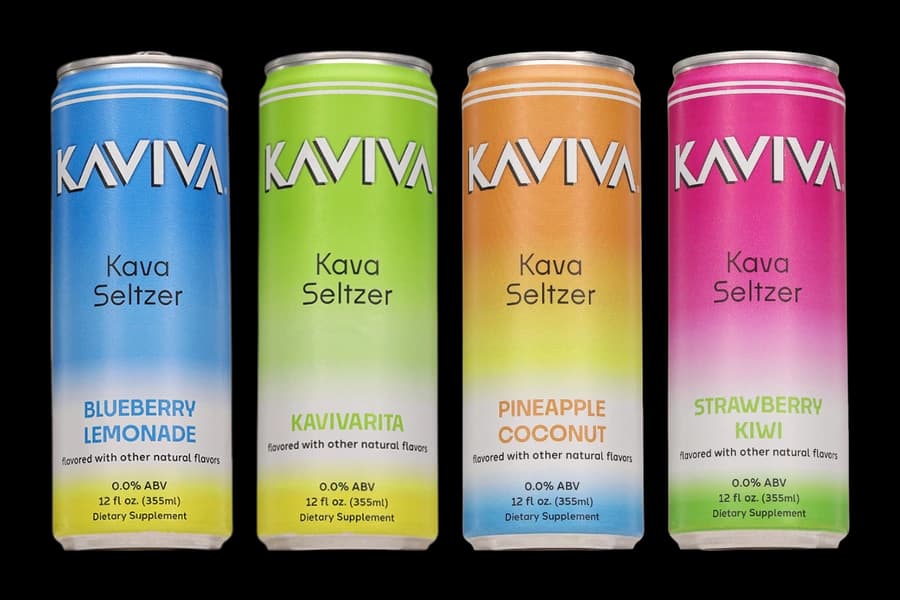
Kaviva
Social Seltzer
Best for A colorful four-flavor variety pack
Kaviva is the variety-pack pick. Four bright flavors let a group sample the line without buying a full case of one flavor.
- Format
- 12 oz sparkling kava seltzer
- Flavors
- Pineapple Coconut, Blueberry Lemonade, Strawberry Kiwi and Kavivarita
- Kava amount
- Kava is listed, but kavalactones per can are not
- Other actives
- No added functional ingredients listed
- Caffeine
- No caffeine listed
Know before you buyPotency is not clear from the storefront, so this is a flavor and format choice first.
Kava-forward
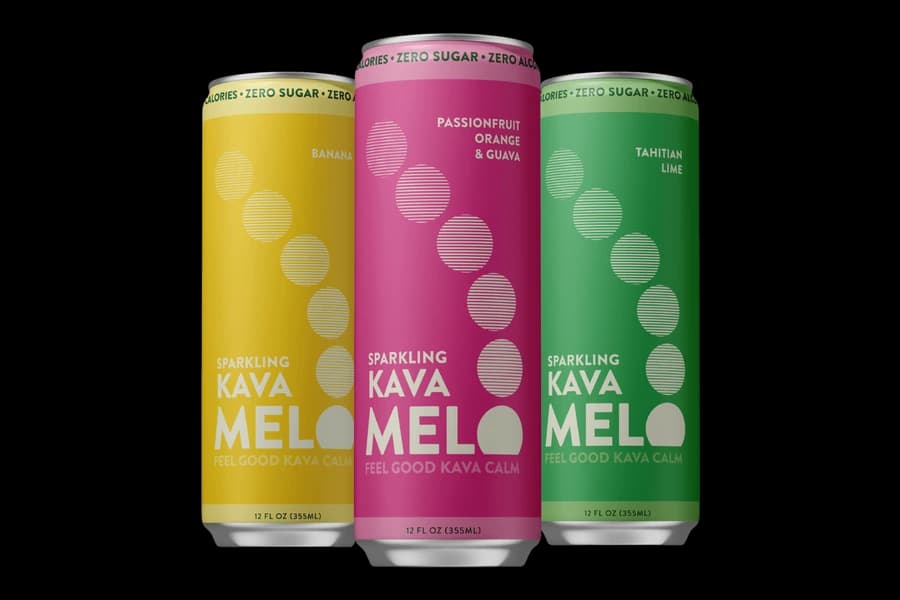
MELO
Sparkling Kava
Best for Zero-sugar, zero-calorie sparkling cans
Pick MELO when you want something closer to flavored sparkling water than soda. It has no sugar, no calories and three unusual flavors.
- Format
- 12 oz sparkling kava
- Flavors
- Passionfruit Orange Guava, Banana Cream and Tahitian Lime
- Kava amount
- Noble Vanuatu kava root. Kavalactones per can are not listed
- Other actives
- No added functional ingredients listed
- Caffeine
- Caffeine-free
Know before you buyDirect orders currently come in 12-can cases, so it is a bigger first try than a single can.
Kava-forward
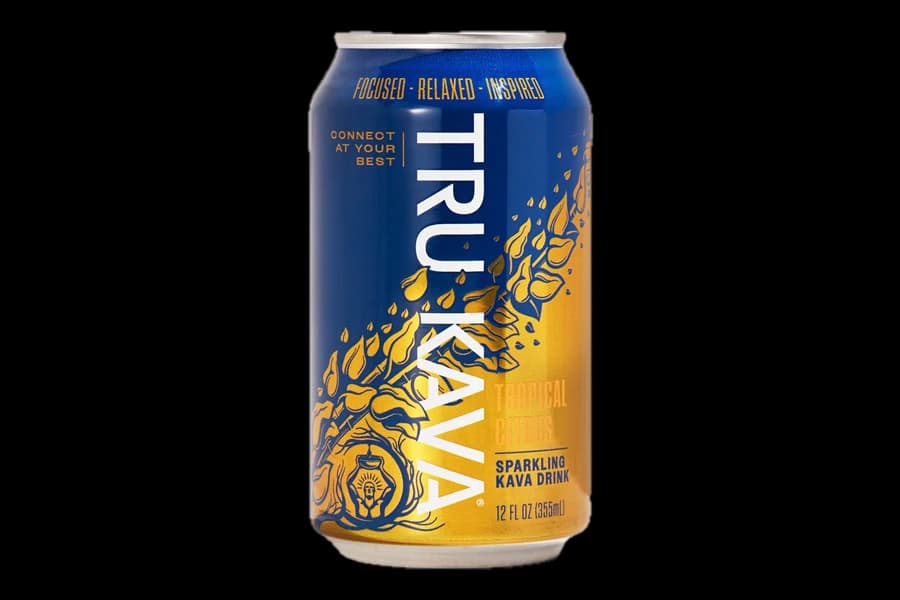
TRU KAVA
Sparkling Kava Drink
Best for A kava-root-juice approach
TRU KAVA takes a different route with kava root juice instead of leading with an extract number. The two-flavor lineup is easy to understand.
- Format
- 12 oz carbonated kava drink
- Flavors
- Tropical Citrus and Ginger Brew
- Kava amount
- Made with kava root juice. Kavalactones per can are not listed
- Other actives
- Fruit juice, stevia and monk fruit; Ginger Brew adds ginger flavor
- Caffeine
- No caffeine listed
Know before you buyDirect shipping is limited to the continental U.S.
Functional blend
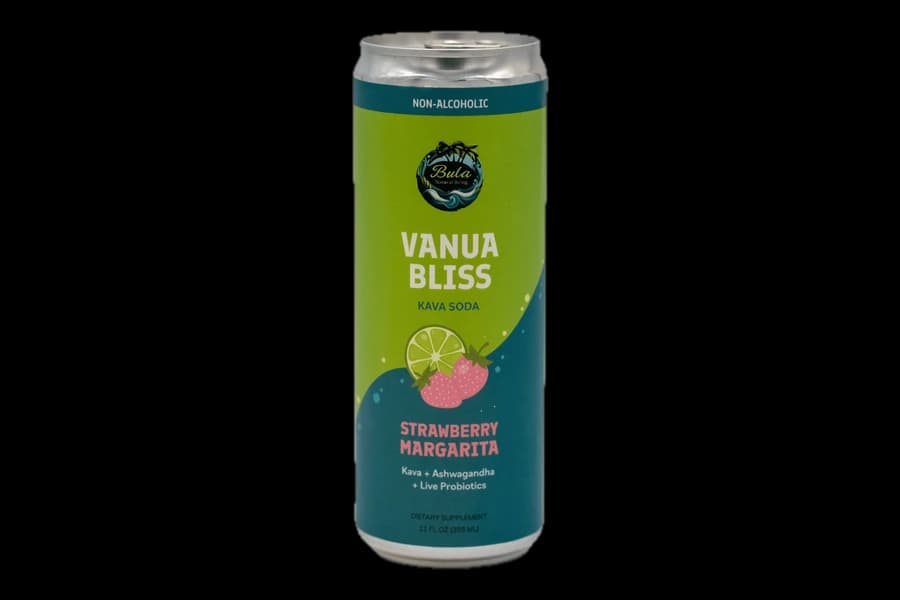
Vanua Bliss
Kava Soda
Best for Kava plus ashwagandha and probiotics
Vanua Bliss is for the shopper who wants more than kava in the can. Ashwagandha and live probiotics are part of the pitch, along with two tropical cocktail-style flavors.
- Format
- Low-sugar kava soda
- Flavors
- Mango Mojito and Strawberry Margarita
- Kava amount
- 750 mg South Pacific kava extract per can. Kavalactones are not listed
- Other actives
- 250 mg ashwagandha and live probiotics
- Caffeine
- No caffeine listed
Know before you buyThis is a busier formula. Check every ingredient, and do not compare 750 mg of extract with a kavalactone number.
Kava-forward
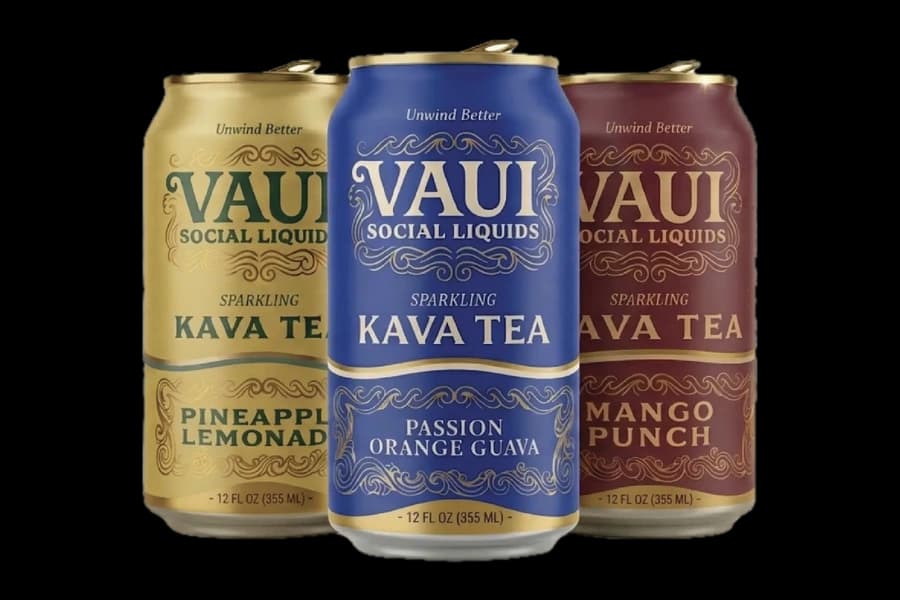
Vaui Social Liquids
Sparkling Kava Tea
Best for A water-extracted sparkling tea
Vaui is the closest thing here to a tropical sparkling tea lineup. The Maui-made angle and water extraction give it a clear identity.
- Format
- Sparkling kava tea
- Flavors
- Passion Orange Guava, Pineapple Lemonade and Mango Punch
- Kava amount
- 500 mg noble kava per can, brewed on Maui with a cold-shear water extraction
- Other actives
- Tea and flavor ingredients vary by SKU
- Caffeine
- No caffeine amount listed
Know before you buyDirect orders currently start at six cans. Check the pack size and price before comparing value.
Functional blend
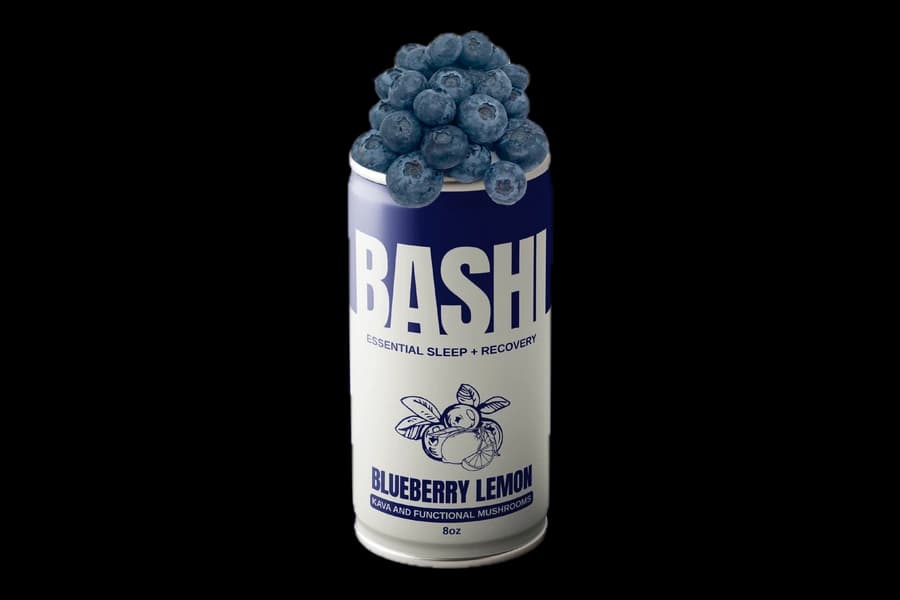
Bashi
Kava Experience
Best for Choosing a daytime or evening blend
Bashi makes the choice about mood and formula. Peach Mango leans into L-theanine and lion’s mane, while Blueberry Lemon adds cordyceps and magnesium.
- Format
- 8 oz canned functional kava drink
- Flavors
- Peach Mango and Blueberry Lemon
- Kava amount
- 890 mg kava kava extract per 8 oz can on both current flavor pages
- Other actives
- Peach Mango lists 140 mg L-theanine and 110 mg lion’s mane; Blueberry Lemon lists 65 mg cordyceps and 25 mg magnesium
- Caffeine
- Blueberry Lemon says 0% caffeine. Check Peach Mango separately
Know before you buyThe supporting ingredients change a lot between flavors. Pick the formula first, then the fruit.
Functional blend
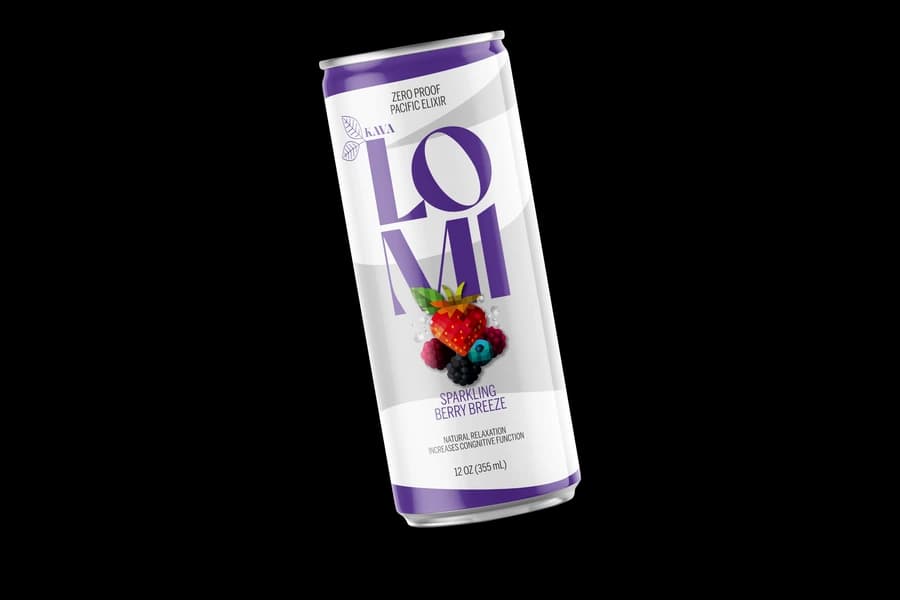
LOMI
Sparkling Kava + Adaptogens
Best for A kava-and-adaptogen social drink
LOMI makes sense if you already want adaptogens with your kava. The can adds ashwagandha, lion’s mane, vitamins and minerals instead of pretending to be a simple seltzer.
- Format
- Sparkling functional beverage
- Flavors
- Berry Breeze, Tropical Twist and Zesty Grapefruit
- Kava amount
- 75 mg kavalactones per can
- Other actives
- Ashwagandha, lion’s mane, vitamins A, C and E, zinc, potassium and biotin
- Caffeine
- No caffeine listed
Know before you buyJudge the full blend, not the kava in isolation.
Functional blend
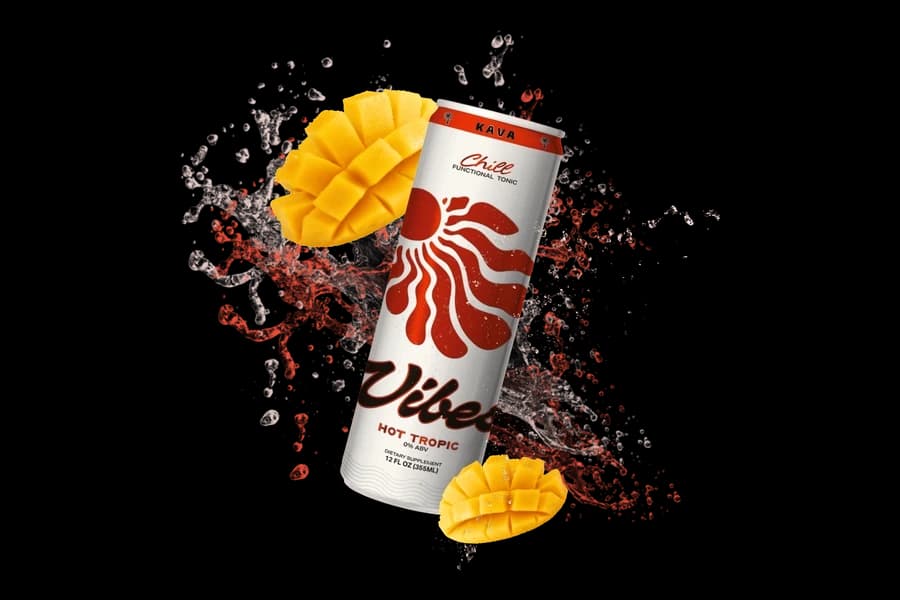
VIBES
Chill: Hot Tropic Kava
Best for Kava with a light caffeine lift
VIBES is the caffeinated option. It pairs 60 mg of kavalactones with 37 mg of green-tea caffeine, plus Alpha GPC and L-theanine.
- Format
- Zero-calorie canned functional tonic
- Flavors
- Hot Tropic mango
- Kava amount
- 2,000 mg kava root extract emulsion delivering 60 mg kavalactones per can
- Other actives
- 250 mg Alpha GPC and 100 mg L-theanine
- Caffeine
- 37 mg green-tea caffeine
Know before you buySkip it if you want a caffeine-free night. This formula is closer to a functional tonic than a plain kava seltzer.
Different lane
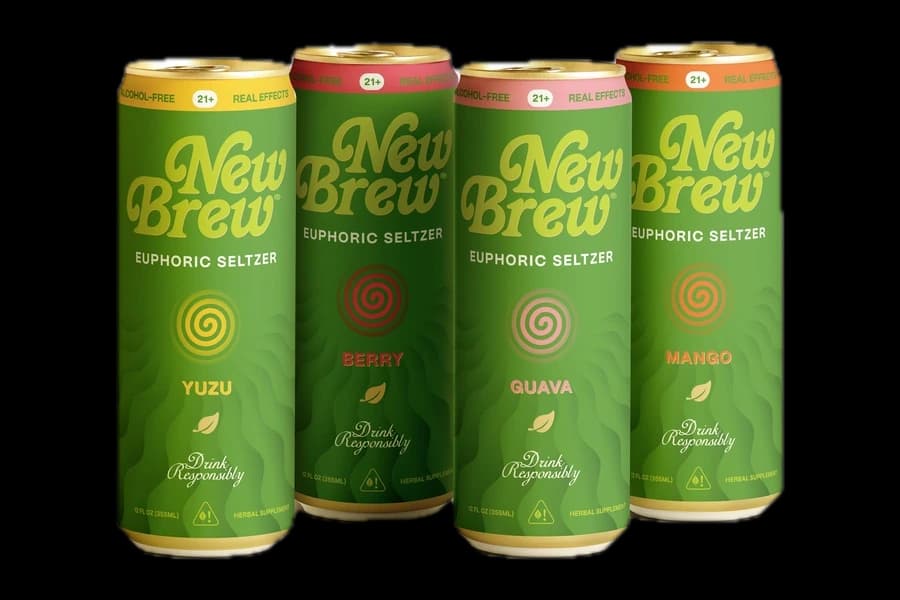
New Brew
Euphoric Seltzer
Best for Adults who specifically want kava plus mitragynine
New Brew is here because shoppers will see it next to kava drinks. It also contains mitragynine and caffeine, which makes it a different decision.
- Format
- Canned kava, kratom and tea seltzer
- Flavors
- Yuzu, Berry, Guava and Mango
- Kava amount
- 85 mg kavalactones per 12 oz can on the current Supplement Facts
- Other actives
- 25 mg mitragynine
- Caffeine
- 30 mg from tea
Kratom warningContains kratom-derived mitragynine, caffeine and habit-forming potential. It is sold to adults 21+, and shipping rules vary by location.
Different lane
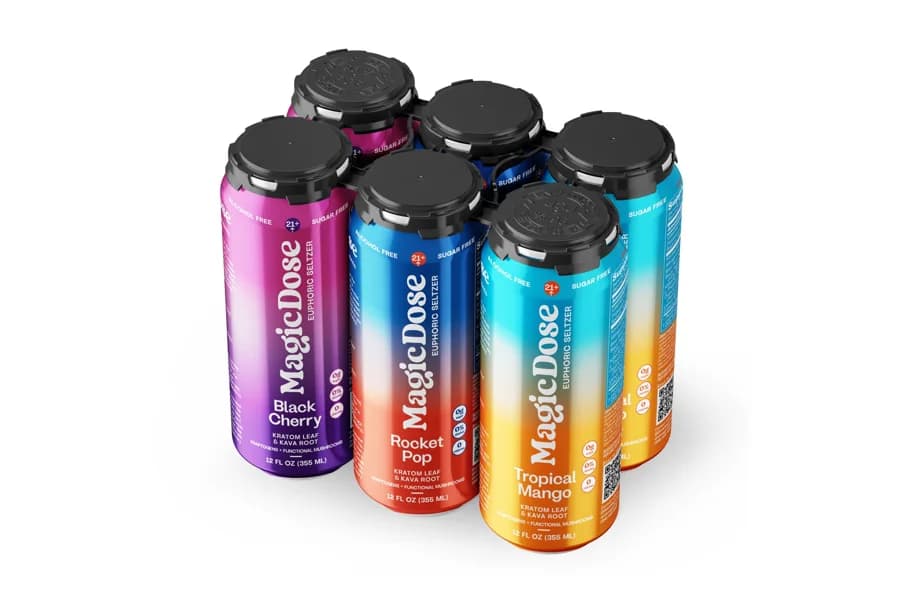
MagicDose
Euphoric Seltzer
Best for Adults who want a more complex kava and kratom blend
MagicDose is the busier cousin to New Brew. It combines kava and kratom with caffeine, adaptogens and functional mushrooms, then offers three bright soda-style flavors.
- Format
- 12 oz sugar-free kava and kratom seltzer
- Flavors
- Black Cherry, Rocket Pop and Tropical Mango
- Kava amount
- The current label lists 195 mg as Kavalactone (Kava Root Extract) per can
- Other actives
- 32.5 mg mitragynine, beet root, piperine, ashwagandha, L-theanine, lion’s mane and lemon balm
- Caffeine
- 30 mg per can
Kratom warningContains kratom-derived mitragynine, caffeine and habit-forming potential. It is sold to adults 21+, and the brand restricts shipping in some states and counties.