90-day kava bar marketing plan
Move from fixing discovery to improving the website, earning first visits, and increasing repeat business.

Loading BestKavaBar
Getting the next page ready.
The page is on its way. Navigation stays available while current details and results load.
Kava bar owner guide · Local marketing
Build a kava bar marketing system that improves local SEO, earns first visits, creates second visits, and turns more nearby customers into loyal regulars.
Built for kava and kratom businessesTechnical, local, content, and reportingTreat the second visit as the real conversion
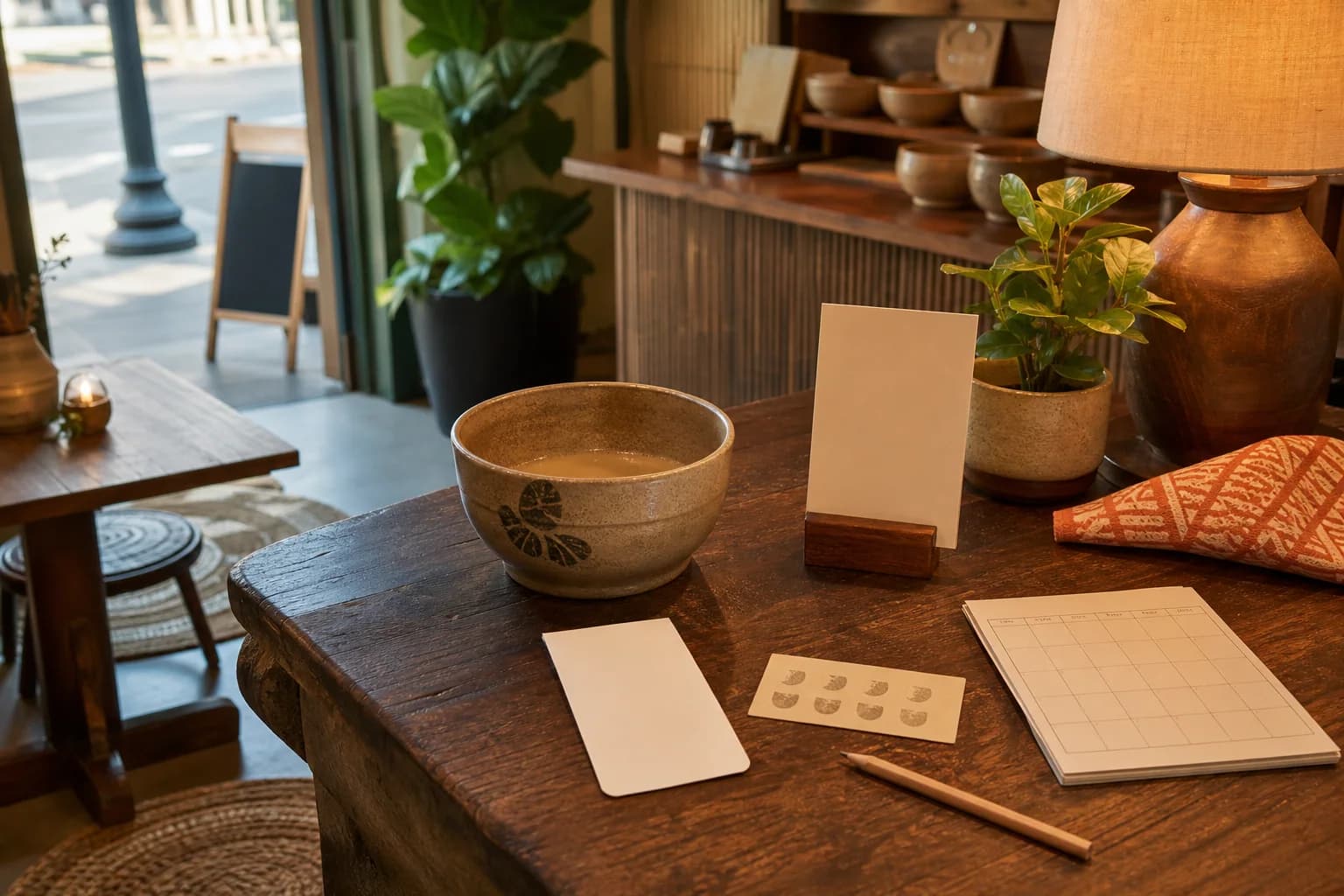
Choose the next move
Fix the earliest break between local discovery, a confident first visit, and a reason to return. The short check points to the next job; the full guide explains how to do it.
Kava bar marketing starter
Choose the most obvious customer problem. The result gives you three practical places to start.
90-day marketing worksheets
Download a practical plan and weekly scorecard. Add your baseline, owner, target, review date, and decision for each activity.
Move from fixing discovery to improving the website, earning first visits, and increasing repeat business.
Track local search actions, calls, directions, first visits, second visits, events, reviews, and customer messages.
Download both worksheets and put one owner, target, review date, and decision on every activity.
Choose how to execute
Both paths start with the earliest broken stage. The difference is who owns the weekly work, technical fixes, content, local visibility, conversion paths, and reporting.
Build it in-house
Best when someone on the team has protected time to execute, measure, and make the next decision every week.
Managed SEO
Built for kava bars, kava brands, and kratom brands that want technical, local, content, conversion, and reporting work moving together.
From direct field experience
German Calas has spent 20 years in SEO and digital growth, 15 years in the kava industry, and has worked directly with dozens of kava bars. This is the system he uses to diagnose the earliest problem, earn the first visit, and turn more customers into regulars.
Most kava bars do not need more random social posts. They need a complete growth system that helps the right people discover the bar, understand why they should visit, show up, enjoy the first experience, and come back.
My name is German Calas. I have worked in SEO, digital marketing, growth, conversion, and customer acquisition for 20 years, and I have been in the kava industry for 15. I have worked directly with dozens of kava bars on their search visibility, websites, events, offers, first visits, and customer retention.
I also built BestKavaBar and HappyKava after seeing the same problem over and over: kava bars need more than generic restaurant advice. The customer journey is different. The first-time education is different. The community is different. The reasons people choose one kava bar over another are different.
This guide lays out the system I use to find the earliest problem and fix it. You can follow it yourself if money is tight. If you need the technical, local, content, and reporting work handled consistently, see our managed SEO service for kava bars, kava brands, and kratom brands.
A kava bar does not grow because people saw a post. It grows when the right person finds it, understands it, visits, returns, and tells someone else.
Market a kava bar by connecting five stages instead of treating every channel as a separate project.
| Stage | What the customer is asking | What the business must do |
|---|---|---|
| Discovery | Is there a nearby place that fits what I want to do? | Appear in local search, maps, kava-specific discovery, local recommendations, and useful social content. |
| Confidence | Is this place open, welcoming, affordable, and right for me? | Show the menu, prices, hours, parking, current photos, reviews, events, and first-visit information. |
| First visit | Why should I go now instead of someday? | Give the customer a clear event, offer, product, invitation, or occasion. |
| Second visit | Why should I come back soon? | Connect the first experience to a recurring event, menu path, loyalty benefit, follow-up, or other relevant next visit. |
| Regular behavior | Does this deserve a place in my routine? | Deliver a consistent experience worth repeating, reviewing, and sharing with friends. |
The mistake is treating Google, the website, BestKavaBar, HappyKava, events, social media, advertising, staff, and retention as unrelated activities. They should move the same customer through the same journey.
When I build a growth plan, I do not begin with, “What should we post this week?” I begin with, “Which customer do we want to visit, why would that person choose this kava bar, and what should make that person return?”
A kava bar can have good products, friendly staff, a beautiful physical space, and loyal regulars, yet still struggle to attract enough new customers.
The problem is usually not one dramatic failure. It is a collection of small gaps that make the business harder to discover, understand, choose, or revisit:
| What you are seeing | What is probably broken | Fix first |
|---|---|---|
| Very few new customers discover the kava bar | Local search visibility, positioning, market awareness, or distribution | Accurate profiles, clear positioning, and useful local pages |
| People view the profile or website but do not visit | Menu, pricing, photos, reviews, hours, parking, or calls to action | The decision information on the location page |
| Offers get attention but few redemptions | The audience, offer, timing, terms, landing page, or staff readiness | One clear offer and an end-to-end redemption test |
| First-time guests arrive but seem confused | Menu language, first-timer education, signage, or staff explanation | Arrival, recommendation, and ordering experience |
| Events work once but do not build a crowd | Consistency, audience fit, promotion cadence, host, or return strategy | One repeatable event with a named owner and next date |
| New customers visit but do not return | Product, hospitality, atmosphere, value, follow-up, or a missing second-visit reason | The first-to-second-visit path |
| Marketing looks active but revenue does not move | Weak tracking, low-intent reach, poor conversion, or attention without in-store behavior | A simple source and customer-behavior scorecard |
Fix the earliest broken stage before adding more content, tools, or ad spend. Otherwise, the next campaign only sends more people into the same leak.
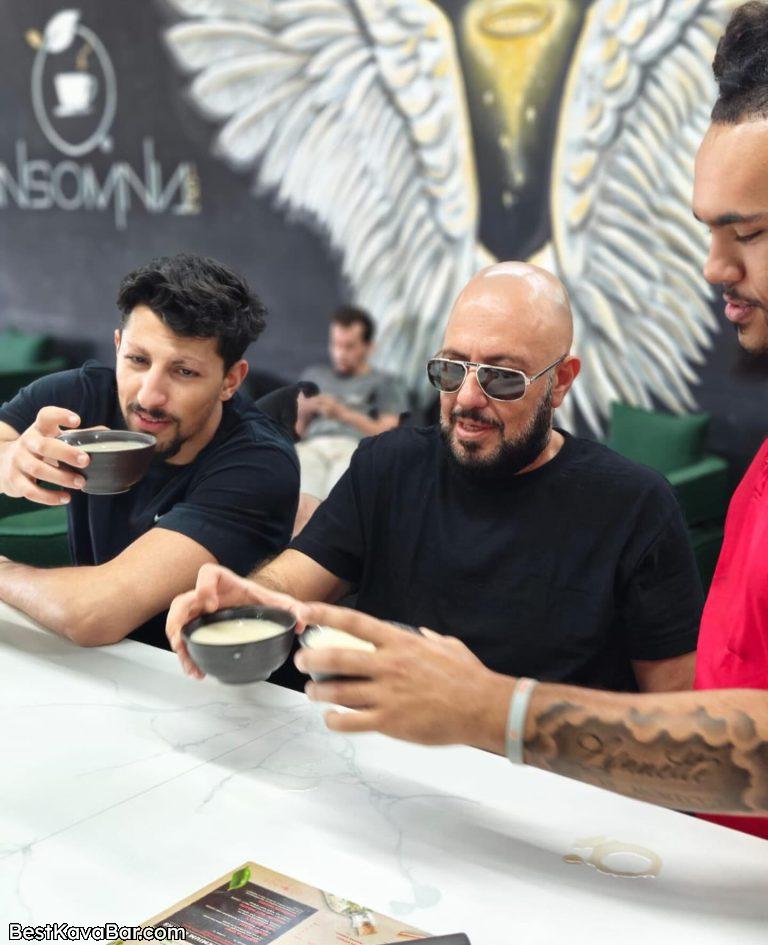
“We are a kava bar” is a category. It is not a compelling reason to visit.
Most people are trying to solve a social or practical need:
Choose the customer and occasion you want to own first. A kava bar can serve several audiences, but one campaign should not try to speak to all of them at once.
Use this positioning formula:
For [specific customer] who wants [specific occasion], we are the [type of place] that offers [clear experience], proven by [real evidence].
For example: “For people who want to go out without alcohol, we are the neighborhood social lounge with botanical drinks, games, and recurring community nights.”
Or: “For remote workers and students, we are the relaxed daytime kava bar with reliable Wi-Fi, comfortable seating, easy parking, and drinks that can be ordered without guessing.”
Your position should shape the homepage, Google profile, photos, menu, events, offers, partnerships, and advertising. If every channel describes a different business, customers will not know what you want to be known for.
Search the market like a customer before changing the website or buying ads. Look at searches such as:
Compare the businesses that repeatedly appear. Look at positioning, Google categories, recent review themes, menu visibility, pricing, current photos, hours, events, parking, offers, and common complaints.
Do not copy the competitor with the most followers. Look for the unanswered question or underserved occasion. A competitor may have more reviews but terrible parking information. Another may own the late-night crowd while ignoring daytime customers. Another may be loved by experienced drinkers but intimidating to a first-timer.
The opportunity is rarely “be better at everything.” It is usually “be the clearest and most credible choice for one valuable occasion.” Connect that choice to realistic transaction, ticket, labor, and repeat-visit assumptions in the kava bar business plan.
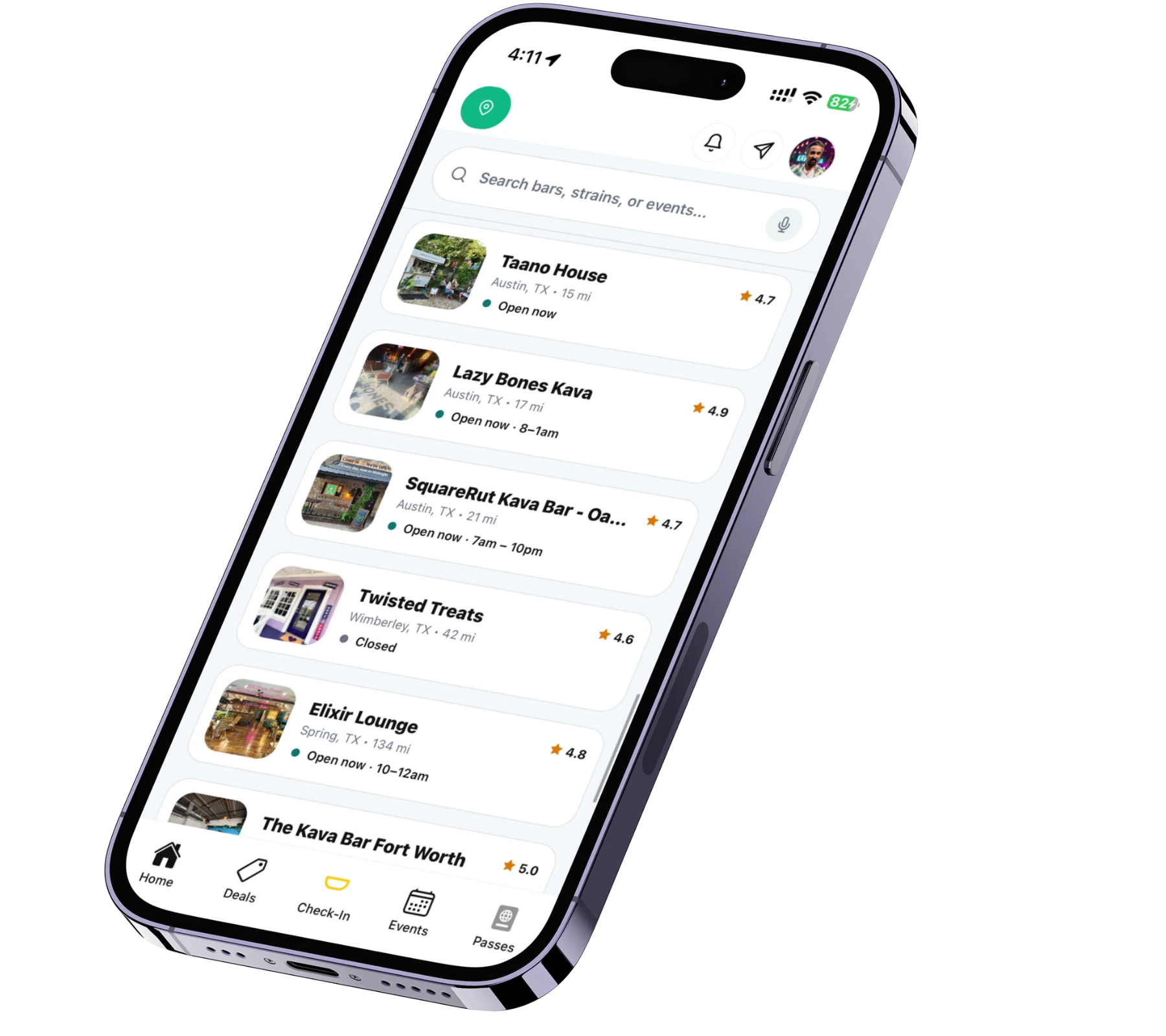
When someone searches for a nearby place, the basic facts must agree everywhere.
Audit and correct:
Review your Google Business Profile, website, BestKavaBar listing, HappyKava profile, Apple Maps, Bing Places, and the active local directories customers actually use. Do not create dozens of profiles nobody will maintain.
Wrong hours are anti-marketing. A duplicate Google profile is anti-marketing. A map pin behind the building is anti-marketing. An Instagram bio linked to last year’s menu is anti-marketing.
Assign one person to check the important information every week and before holidays, weather disruptions, moves, special events, or operating changes. The kava bar should look like the same business wherever a customer finds it.
If the venue is already on BestKavaBar, claim or correct the listing. Keep the live menu, deals, and events current through the HappyKava owner tools.
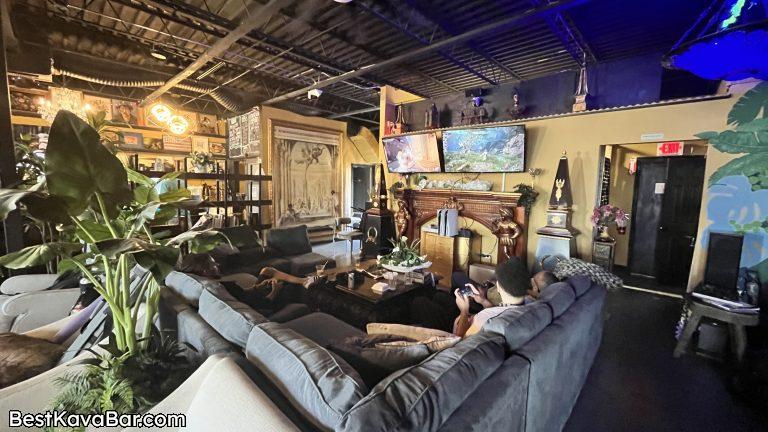
A kava bar website is not a digital business card. It is a decision tool.
Within a few seconds, a visitor should be able to answer:
The homepage should state the city, neighborhood, primary experience, and strongest reason to visit. It should lead quickly to the menu, directions, current events, and first-timer information.
Every physical location needs one authoritative page with the exact address, hours, directions, entrance, parking, contact information, original photos, neighborhood context, and useful calls to action. One complete location page is more valuable than a stack of thin pages for nearby cities that all describe the same address.
The events page needs exact dates, times, descriptions, costs, and age requirements when relevant. Explain what will actually happen. A recurring event should show its repeat schedule instead of relying on an old phrase such as “this Friday.”
A first-timer section should explain what the kava bar serves, how the menu is organized, what a new guest might order first, and what happens during the visit. Make it easy to view the menu, get directions, call, see tonight’s event, or inquire about a private group.
Search engines need the same clarity customers do: one descriptive title and main heading, crawlable address and hours, original image text, a canonical URL, and appropriate local-business structured data. Those are foundations, not tricks.
Useful local content can answer the broader questions that lead to a visit: alcohol-free nightlife, late-night places to talk, date nights without alcohol, beginner kava recommendations, work or study spots, parking instructions, and recurring local events. Each page should lead naturally to the current menu, hours, event, and directions.
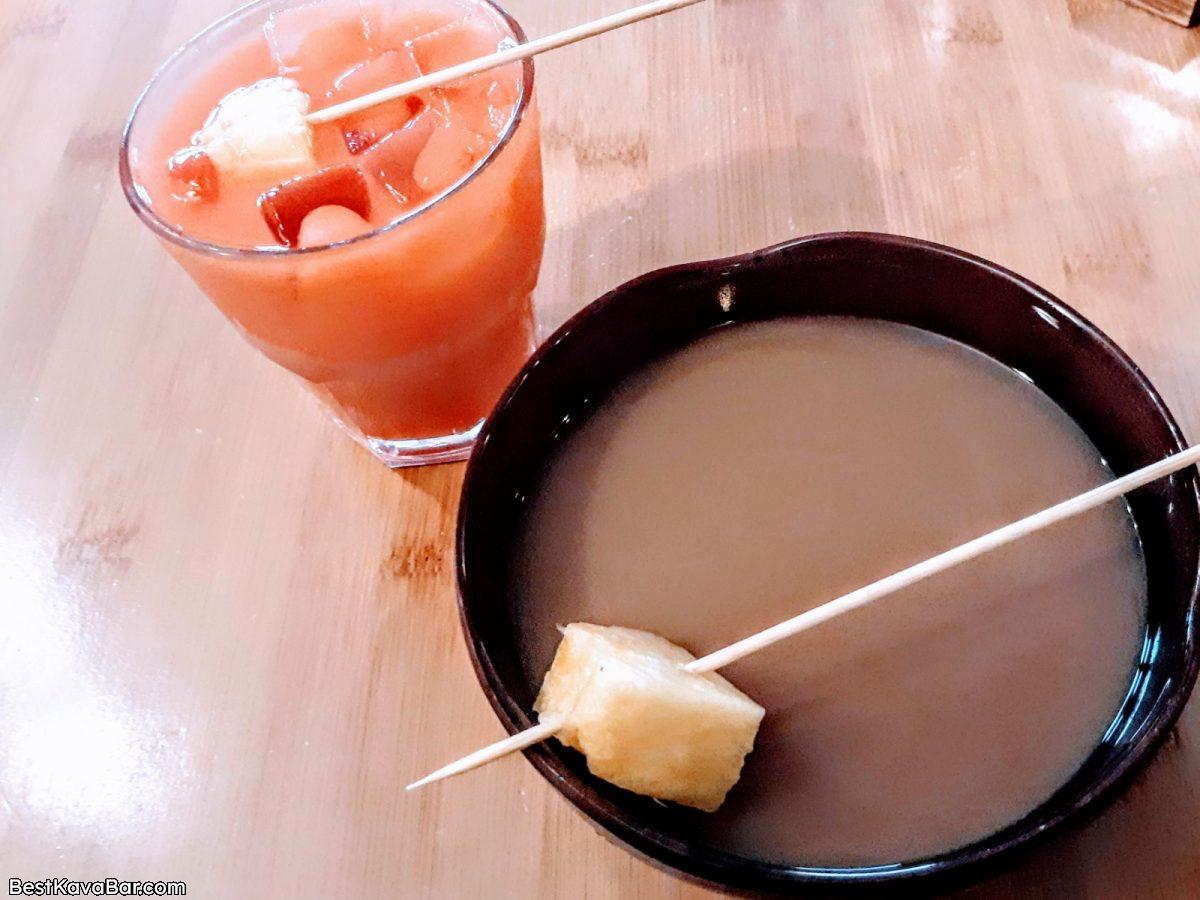
A missing or confusing menu is one of the fastest ways to lose a high-intent customer.
People want to know what you sell, what it costs, what is in it, and whether there is something they will enjoy. That matters even more when a new guest is trying to understand traditional kava, flavored kava drinks, kratom products, botanical teas, coffee, mocktails, food, or retail products.
A useful menu includes:
Use the same names and prices on the website, HappyKava, printed menu, point-of-sale system, and staff scripts. Conflicting names make the business look disorganized and create awkward customer interactions.
Add a simple “New to kava? Start here” section. Recommend two or three first orders for different preferences: the closest option to a traditional shell, a smoother flavored option, and perhaps a shareable flight or sampler. The goal is not to turn the menu into a lecture. It is to help someone order with confidence.
Many potential customers are curious about kava but unsure how to enter the culture. They may be wondering:
Answer those questions in plain language on the website, menu, profile descriptions, and in-store signage. Staff should have a useful 20-second explanation and a deeper answer when a guest asks for one. Nobody should be made to feel stupid for asking a basic question.
Describe ingredients, flavor, preparation, and serving style. Keep kava, kratom, caffeine, and other botanicals clear so a customer can understand the menu and choose confidently.
The guides to what kava is and how to drink kava can handle deeper education. The location page and menu should help the customer choose a visit and an order.
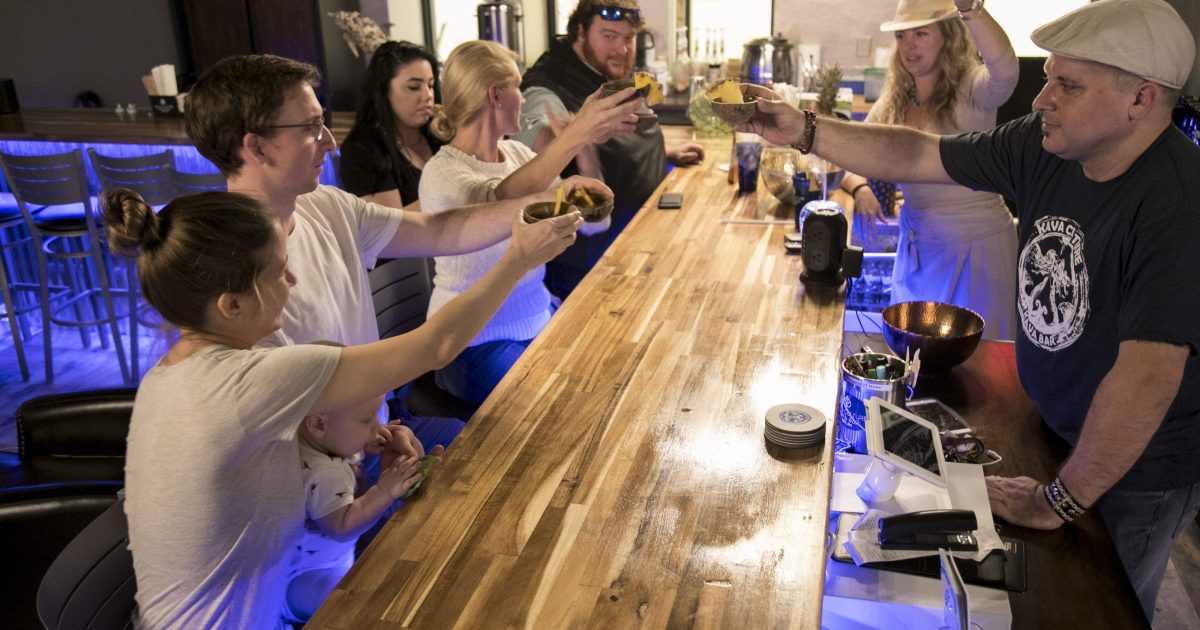
Being discoverable is not enough. Someone can save the kava bar and still never visit unless there is a timely reason to go.
The strongest reasons usually fall into four groups:
A recurring event works because people can remember it. One clear Wednesday event repeated consistently is often more valuable than eight unrelated events that appear and disappear.
Every event needs a specific audience, clear promise, consistent schedule, named host, realistic capacity, service plan, promotion cadence, and reason to return. It also needs a stop rule. If the event does not attract the right people or work operationally after a fair test, improve it or retire it.
Before launching a first-visit offer, answer two questions:
A useful acquisition offer is easy to explain, easy for staff to honor, valuable enough to motivate action, limited enough to protect the brand, trackable by source, and followed by a relevant return invitation.
That might be a first-timer flight followed by a weekly beginner night. It might be a Passport visit followed by a short-expiration bounce-back. It might be a trivia promotion followed by an invitation to the next Wednesday. Design both visits before launching the first one.
A campaign is not successful when someone clicks. It succeeds when the customer arrives and gets the experience that was promised.
The visit has four critical moments:
Train staff on every active offer, event, Passport term, loyalty benefit, and review process. A customer should never have to prove that your own promotion exists while staff searches social media for it.
Treat the second visit as the real conversion. A first-time visitor is an opportunity; a returning visitor is evidence that the system worked. The best return invitation is specific: “Trivia is every Wednesday at 8,” “The kava bar is quieter before 4 if you want to work here,” or “Next time, try the traditional option beside the drink you ordered today.”
Events, friendships, routines, product discovery, staff relationships, and belonging are usually stronger long-term reasons to return than constant discounts. The first-timer retention guide goes deeper on arrival, ordering, hospitality, and the next invitation.
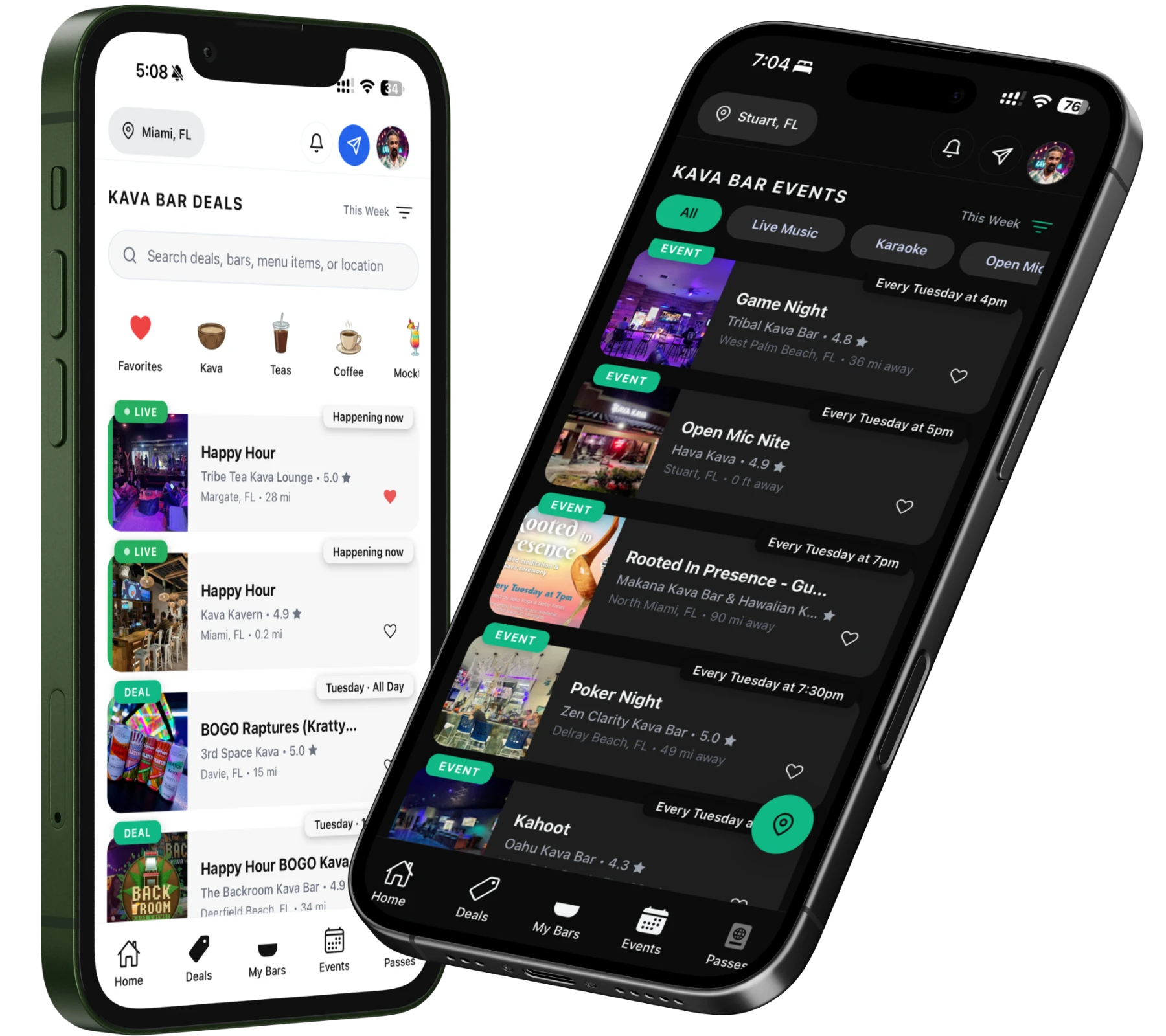
Do not expect one platform to do everything.
| Channel | Primary job | What it should produce |
|---|---|---|
| Google Business Profile | Capture people searching for a nearby place now | Calls, directions, menu views, website visits, reviews, and event discovery |
| Website and SEO | Explain the kava bar and build durable local visibility | Menu views, directions, event interest, group inquiries, and qualified organic visits |
| BestKavaBar | Build kava-specific discovery and trust | Qualified profile visits, referral traffic, reviews, and consideration from kava consumers |
| HappyKava | Show what is happening now | Menu activity, deals, events, directions, follows, check-ins, and repeat engagement |
| Social media | Show current proof of the people, products, and events | Awareness, shares, messages, event interest, and useful distribution |
| Local partners and creators | Borrow a trusted local relationship | Introductions, group visits, authentic content, and referrals |
| Email and text | Reach customers between visits | Event attendance, return visits, reactivation, and referrals |
| Paid search and social | Create immediate, controlled local reach | Trackable first visits, redemptions, event traffic, and audience learning |
| Staff and in-store systems | Turn attention into a customer relationship | Confident first orders, source notes, second visits, reviews, and referrals |
The website should not try to replace Google. Instagram should not be the only place with current event details. HappyKava should not be treated as a listing that gets completed once and forgotten. Paid ads should not be expected to fix unclear menus, wrong hours, or an offer staff cannot honor.
The most useful social content shows the entrance, parking route, products, staff recommendations, first-timer experiences, recurring events, familiar customers, and what is actually happening tonight.
Date time-sensitive posts. Remove expired offers. Put permanent facts on the website and structured current information on Google and HappyKava. Posting more is not the same as marketing better.
Paid media magnifies whatever is already there. If the menu is missing, hours are wrong, the landing page is vague, or staff cannot honor the promotion, advertising will help more people discover the problem faster.
Use paid search for existing local intent, such as a kava bar nearby, alcohol-free nightlife, a late-night café, or a specific event. Use paid social when there is a clear local audience, strong visual proof, a specific event or offer, a useful landing destination, and enough budget to learn.
Do not send every ad to a generic homepage. Event ads should lead to event details. First-visit offers should lead to the offer, terms, location, and directions. Track redemptions and visits, not only clicks.
Email and text work best when the message makes the next relevant event, product, or visit easy to remember. Local partners need a specific invitation or group reason, not a vague request to “collaborate.” Staff need the current message, offer, and next action before the campaign starts.
Each channel should have one job, one owner, one business goal, one review date, and one stopping condition.
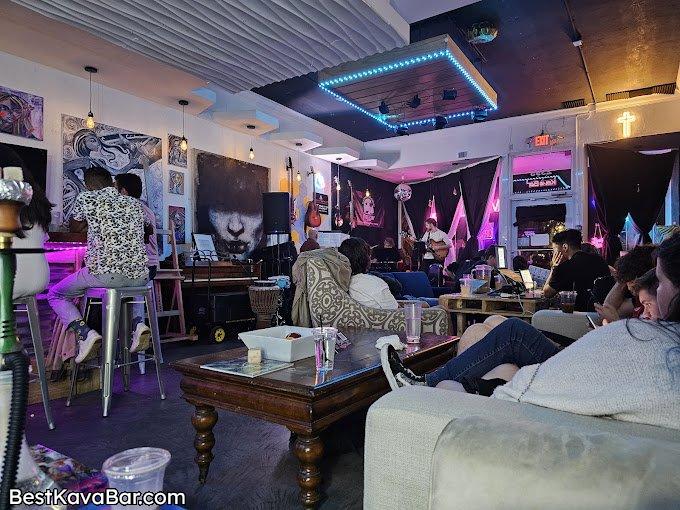
Reviews influence confidence and local discovery, while specific feedback helps the next customer decide.
Use a simple process:
Useful reviews mention what future customers care about: atmosphere, parking, staff helpfulness, first-timer experience, menu favorites, events, seating, hours, and community. A review is not only a rating. It is public evidence that helps the next person decide.
A public response is for future readers as well as the original reviewer. Acknowledge what happened, explain a useful next step, and keep the focus on the visit. Make the response short enough to read.
Referral requests should feel natural. Give customers a reason to bring the specific friend who would enjoy the kava bar, not a generic instruction to tell everyone. The kava bar review guide includes the complete request and response workflow.
Followers, impressions, and website traffic can help diagnose the journey. They are not the final result for a physical kava bar.
| Category | Useful measures |
|---|---|
| Visibility | Local search visibility, Google profile activity, BestKavaBar referrals, HappyKava reach, and qualified website visits |
| High-intent action | Menu views, direction requests, calls, event views, offer claims, and group inquiries |
| Acquisition | First-time customers, source response, redemptions, event first visits, first ticket, and acquisition cost when ads are used |
| Experience | Review themes, staff observations, customer feedback, event attendance, and offer problems |
| Retention | 14-day and 30-day repeat visits, bounce-back use, recurring event attendance, loyalty activity, referrals, and reactivation |
| Revenue | Revenue by source, daypart, event, offer, and customer type when the data is available and recorded consistently |
The most important question is simple:
Which channels bring in first-time customers who come back?
Use tagged links, distinct offer names, point-of-sale fields, or a short “How did you hear about us?” question. Do not build a tracking project staff will ignore during a rush.
There is rarely one perfect source. A friend, map result, review, BestKavaBar page, event post, and storefront can all contribute. Use the data to see patterns, not to create false certainty.
Review campaign results weekly and the complete business monthly. Stop what creates noise without visits. Improve what creates first visits but weak retention. Scale what consistently produces customers who return.
The order matters. Fix the foundation first, create controlled customer acquisition next, then improve retention and scale what works.
Goal by day 14: Every major customer touchpoint is accurate, current, persuasive, and ready to turn attention into a visit.
Goal by day 45: The kava bar is generating identifiable first visits and learning which audience, offer, event, and channel deserve more investment.
Goal by day 90: The kava bar has a repeatable growth system and a clearer view of what creates repeat business.
| Mistake | Why it fails | Better move |
|---|---|---|
| Treating Instagram as the whole plan | Customers cannot reliably find current facts in a feed | Put permanent facts on the website and Google; use social for proof and distribution |
| Hiding the menu | High-intent customers cannot tell what is served or what it costs | Publish a current, searchable, mobile-friendly menu |
| Marketing only to existing kava drinkers | Many future regulars begin with another occasion | Lead with alcohol-free nightlife, dates, work, games, or community when the experience supports it |
| Running random events | One-off activity rarely builds a habit | Repeat one clear event long enough to learn |
| Discounting without a return plan | The promotion buys a transaction, not a relationship | Design the first offer and next invitation together |
| Buying ads before fixing the foundation | Paid reach sends more people into weak information or service | Test the complete visit path first |
| Publishing offers staff cannot honor | The campaign breaks at the counter | Brief every shift and test the redemption process |
| Ignoring parking and arrival friction | A customer who cannot find the entrance may never walk in | Show the approach and verify directions on a phone |
| Asking for reviews before earning them | Pressure turns the request into noise instead of useful feedback | Ask after a real visit and make the request simple |
| Counting visibility as revenue | Attention can rise while customer behavior stays flat | Track visits, sales, and returns |
You do not need a large advertising budget to fix the most important problems. Most foundational improvements require accurate information, useful content, staff consistency, and disciplined follow-through.
Start here:
Do this consistently before spending heavily on ads. A strong foundation makes every future post, partnership, event, and advertising dollar more useful.
You can execute this strategy yourself. The tradeoff is time, consistency, experience, and the ability to connect all the pieces.
DIY makes sense when one person has the access and discipline to maintain the website, local profiles, content, analytics, and weekly operating changes. Start in-house if the main problems are wrong hours, old photos, a missing menu, or an event calendar nobody updates.
Managed SEO makes more sense when the business needs ongoing technical work, search research, location or product pages, content planning, local profile management, measurement, and steady improvement across several months. It is especially useful when the owner is already operating the kava bar and does not have time to become the SEO department.
Ask any provider what it will change in the first 30, 60, and 90 days; who owns the website, profiles, analytics, content, and accounts; what business measures appear in reporting; and what happens when priorities change or the relationship ends.
BestKavaBar provides managed SEO dedicated to kava bars, kava brands, and kratom brands.
Start with one customer and visit occasion, then fix Google, the website, menu, location information, photos, BestKavaBar, HappyKava, and reviews. Once those are accurate, launch one reason to visit now and one reason to return.
Improve high-intent local discovery, show the complete menu and real visit information, establish a recurring event or specific first-visit offer, develop local partnerships, and make sure staff can turn curiosity into a confident first order. Track which sources create actual visits.
Yes. Local customers use search and maps to compare hours, menus, reviews, photos, events, parking, and alternatives. SEO helps the kava bar appear for direct kava searches and the broader occasions it serves, such as alcohol-free nightlife, date nights, late-night cafés, work, study, and events.
Yes. Social media is useful for attention and proof, but it is not a dependable home for the current menu, location details, parking, first-timer information, event calendar, policies, and local search visibility.
Only after the website, menu, offer, tracking, Google profile, and staff process are ready. Search ads can capture existing local intent. Social ads can promote a visual event or offer. Measure both through visits and redemptions rather than clicks alone.
The best event fits the kava bar, audience, staff, schedule, and community, then repeats consistently enough to build habit. Trivia, bingo, open mic, games, music, workshops, tastings, and community nights can all work when the promise and operating plan are clear.
Give them a confident first order, a welcoming experience, and a specific reason to return. Use a recurring event, short-expiration bounce-back, menu recommendation, loyalty benefit, referral, or timely follow-up. Measure whether the second visit occurs within a defined period.
Hire managed SEO when technical fixes, search research, local or ecommerce pages, content, and reporting require steady ownership the team cannot provide. The service should define deliverables, access, measurement, priorities, and the first 90 days of work.
The strongest kava bars connect discovery, confidence, first visits, second visits, regular behavior, and advocacy.
Make the kava bar easy to find. Make the decision easy. Give people a reason to visit now. Deliver the experience you promised. Give them a reason to come back. Measure what happens next.
That is the strategy.
Use the 90-day worksheets above to run it yourself, or review managed SEO for kava and kratom businesses if you want the technical, local, content, and measurement work handled.
Opening where people have never heard of kava? Use the new-market kava bar marketing playbook to research local demand, explain the concept, and build a recurring audience.
Continue the owner plan with the kava bar business plan, kava bar POS guide, review-growth guide, and first-timer retention guide.
Want this handled?
We handle the technical SEO, local visibility, content, conversion paths, and measurement work for kava bars, kava brands, and kratom brands.
See managed SEO