
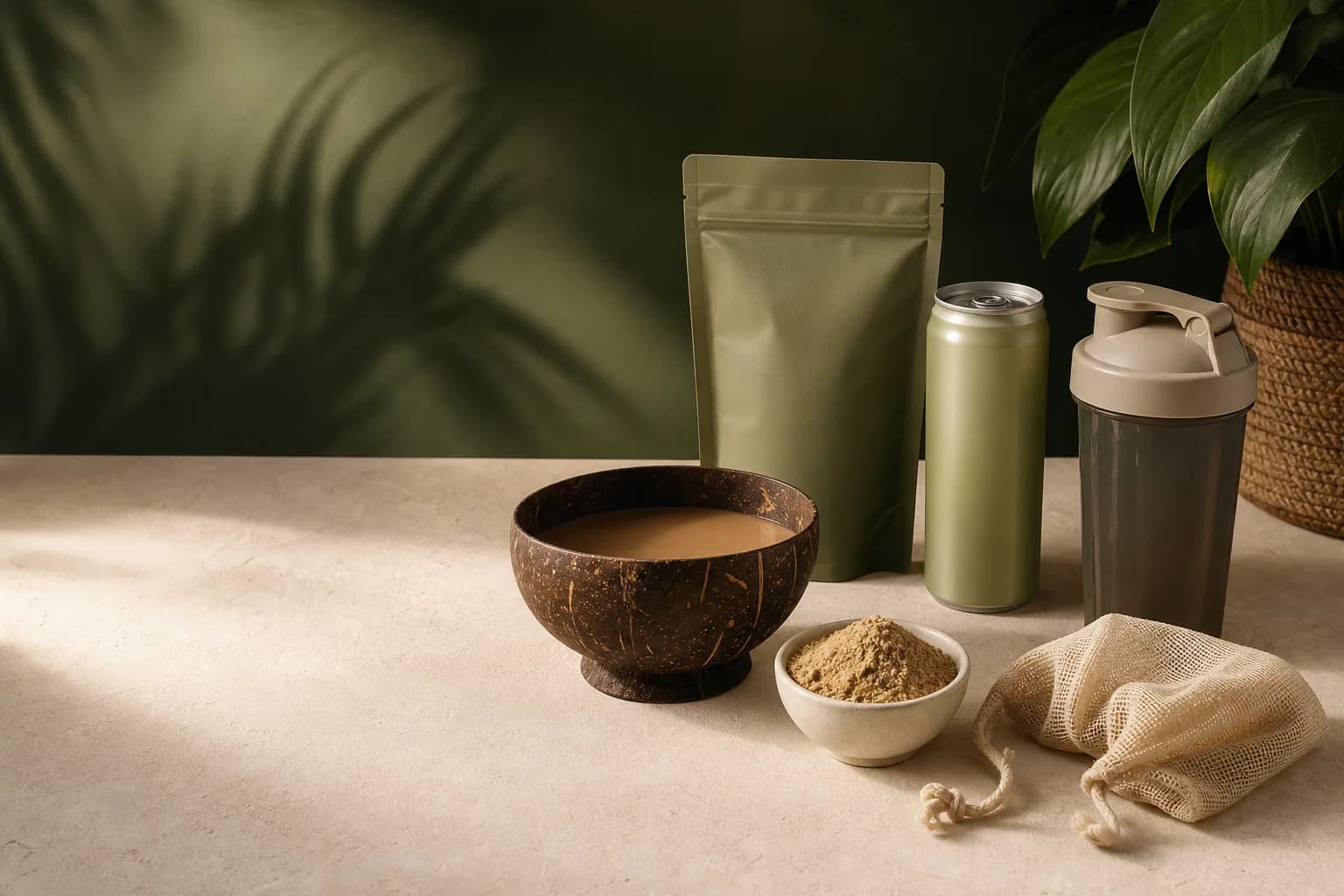
The best traditional kava powder is a clearly labeled medium grind with useful origin, cultivar, root, and batch detail—and a preparation routine you can repeat. Art of Kava is the clearest starting point for origin- and cultivar-led browsing, Nakamal at Home makes named products and report collections easy to find, and Fiji Vanua Kava is a focused option for Fijian traditional kava. Buy the root and the routine together: a good strainer, a proper vessel, water, working time, and cleanup are part of the purchase.
I have drunk kava daily for more than 20 years and visited more than 500 kava bars. Traditional preparation is still my benchmark because it lets the root, the hands, the bowl, and the people share responsibility for the drink. That control is exactly why traditional powder rewards care and punishes lazy comparisons. A glamorous bag cannot rescue the wrong grind, a poor strainer, or a batch made differently every night.
This guide owns one decision: which dry traditional or medium-grind root powder to knead and strain. It does not rank powders meant to mix directly into a cup. For that, use the best instant kava guide. It does not compare cans and bottles; those belong in best kava drinks. If you are still choosing a format, begin with best kava overall.
My short list
| Starting point | Best for | What to verify before ordering |
|---|---|---|
| Art of Kava traditional grind | Browsing by named origin and cultivar | Exact grind, bag size, preparation notes, and current product detail |
| Nakamal at Home traditional kava | Named products and discoverable report collections | Product-to-report match, batch information, and availability |
| Fiji Vanua Kava | A Fijian-focused traditional catalog | Cultivar, grind, root composition, package, and current documentation |
| Kalm with Kava traditional root | A beginner-friendly catalog with preparation education | Exact product detail rather than general brand language |
| Kavafied root powder | Ordering traditional root and compatible gear together | Root merits separately from hardware convenience |
| Bula Kava House | A long-running origin- and cultivar-oriented specialist | Live stock, substitutions, and fulfillment timing |
This is a shopping map, not a fresh taste test or a potency ladder. Traditional kava changes with product, batch, preparation, and person. I will not invent precision that the category does not have.
What traditional medium grind actually means
Traditional medium-grind kava is dried kava root milled to a coarse powder intended for water preparation and straining. You put the powder into a food-safe bag, work it in water, squeeze the liquid out, and discard the spent fibrous material. The finished drink is cloudy and earthy, with fine suspended material and natural settling.
“Medium grind” is a practical category, not one globally fixed particle measurement. One seller’s grind may look finer or more uneven than another’s. What matters is that the product is clearly intended for kneading and straining, not direct consumption as if it were true instant.
The word “traditional” also deserves respect. Dried bagged powder prepared in an American kitchen is connected to Pacific kava traditions, but it is not the whole culture compressed into a retail pouch. Preparation methods, vessels, serving roles, songs, ceremonies, and social expectations vary across Pacific communities. A seller should explain the product without turning culture into costume.
If the plant itself is still unfamiliar, read what kava is before trying to decode cultivar and root language.
Why origin, cultivar, and root detail matter
These details do not guarantee that you will love a bag. They do give you a better way to understand it.
Origin
Country and island tell you where the kava is connected, but origin alone is broad. “Vanuatu kava” can cover many cultivars and growing areas. “Fijian kava” can still vary by root composition, farm, processing, and batch. Treat origin as the beginning of the description.
Cultivar
A named cultivar is more useful than a fantasy mood label because it gives you a stable agricultural identity to investigate and reorder. Even then, growing, drying, storage, root composition, and preparation influence the cup. A cultivar name is not a guaranteed effect.
Root composition
Some products state whether they use lateral root, stump or basal material, or a blend. That can help explain the product and support repeat comparisons. It should not be converted into a simplistic rule that one composition always wins. Look for clarity and consistency.
Batch information
A lot or batch identifier connects the package to current documentation and gives customer support something specific to discuss. It also acknowledges a truth daily drinkers already know: agricultural products vary.
Grind and preparation instruction
The page should plainly say traditional or medium grind and tell you to strain it. If a product is filed under root powder but the instructions say scoop and drink without straining, stop and identify the format again.
Best traditional kava powder starting points
Art of Kava traditional grind: best for origin- and cultivar-led browsing
Art of Kava makes country, island, and cultivar a central part of shopping. That organization is useful because it invites you to compare named kavas rather than choose between “extreme” and “ultra” marketing. Its catalog has included traditional products tied to Fiji, Vanuatu, and the Solomon Islands, along with cultivar-specific choices.
Open the exact product page before ordering. Confirm that it is traditional medium grind, note the package size and preparation directions, and check what current product or batch information is available. Inventory rotates, and a careful catalog structure does not make every item interchangeable.
Art of Kava is the strongest starting point here because it helps a learner build a map of origins and cultivars. The winner is the navigation and specificity, not an unsupported claim that every bag beats every competitor.
Nakamal at Home traditional kava: best for named products and report access
Nakamal at Home organizes traditional root into named products and maintains multiple report collections. Its range includes traditional and single-cultivar directions, giving shoppers a path from broader house products into more specific kava identities.
Use that documentation carefully. Match the named item and, where possible, the batch or package to the document you are reading. A report for one product does not bless the whole catalog. Availability and reports can change, so confirm the trail at purchase time.
This is a good stop for a buyer who enjoys keeping notes. A stable product name, origin or cultivar detail, and accessible report give you more to compare on a second order than “brown bag number three.”
Fiji Vanua Kava: best for a Fijian-focused traditional catalog
Fiji Vanua Kava is a natural starting point for shoppers who want a catalog centered on Fijian kava while still offering named traditional and single-cultivar choices. Current browsing also shows that the company carries traditional products from beyond Fiji, so the exact product identity still matters more than the brand name.
Read the line that states grind, origin, root composition, and package size. Review current documentation rather than relying on a broad sourcing statement. Some product pages lean heavily into strength and effect language; I would keep those claims in their proper place and judge the bag by transparent identity and preparation.
Large packages can look economical. Start smaller when the product is unfamiliar. A low cost per pound is not savings if the grind, taste, or routine does not fit you.
Kalm with Kava traditional root: best for a beginner-friendly catalog
Kalm with Kava pairs a broad traditional selection with accessible preparation education. That makes it easier for a new buyer to understand what equipment and effort medium grind requires before the box arrives.
The catalog is broad enough that you must distinguish traditional root from instant, micronized, concentrates, and mixes. Use the exact product page and compare named item, origin, grind, package, and available documentation. General familiarity with a seller should never replace reading the bag.
For beginners, the value is reduced confusion. Buy one medium-grind product, a basic strainer, and learn a repeatable batch. You do not need an accessory drawer full of experiments.
Kavafied root powder: best for a matched root-and-gear order
Kavafied sells traditional ground root alongside purpose-built strainers, bowls, shaker systems, and larger preparation tools. Current root navigation includes named products connected to places such as the Solomon Islands, and individual pages identify traditional ground powder.
That makes Kavafied convenient when you need a complete setup. Keep two decisions separate: Is this the root you want, and is this the gear you want? A clever preparation system does not automatically make a particular bag your best root. A good bag does not require the most expensive hardware.
If portability is the reason Kavafied caught your attention, compare the use cases in kava strainers and shaker cups and the dedicated kava-making machine guide.
Bula Kava House: best treated as a specialist with volatile inventory
Bula Kava House has a long history as a kava specialist and uses origin- and cultivar-oriented descriptions. Its ground-root catalog has included named products from multiple Pacific origins, and some listings provide specific cultivar or root information.
Availability is the defining tradeoff. Current collection pages show several traditional items sold out, and sample contents may change with stock. Confirm the exact named product, whether it is actually available, whether substitutions can occur, and when it will fulfill. Do that before building a repeat routine around it.
Historical reputation and an interesting archive are not the same as live inventory. I would rather state that plainly than send a reader chasing a bag that cannot ship.
Build the preparation system before chasing the perfect bag
A traditional order is incomplete without a way to make it.
Strainer
Use a reusable food-contact-safe strainer designed for kava or an appropriate equivalent whose material, seams, and care you understand. The bag needs enough room for water to move through the root while keeping coarse material contained.
A bag that is too small for the batch becomes a hard lump. A worn seam can empty root into the bowl. A bag that never dries properly becomes its own problem. Wash it promptly, inspect it, and dry it fully.
Bowl or bucket
Choose a vessel large enough for your normal batch and hand movement without splashing. A basic bowl works. A dedicated bucket or purpose-built system becomes useful when batches grow or preparation is frequent. Capacity and easy cleaning matter more than decorative drama.
Water
Use clean water and keep the water choice consistent while learning a bag. Temperature and volume can change the preparation, but do not obsess over a universal secret setting. The exact product directions are the starting point, and repeatability is more valuable than folklore.
Working the root
Wet the bag, keep the root contained, and knead and squeeze it through the water according to the product’s instructions. Fold and work different parts of the bag rather than crushing one corner. The liquid will become cloudy and develop the familiar earthy character.
There is no honor in turning every batch into a hand-strength competition. Good preparation is deliberate and repeatable. If you use a shaker or machine, accept that agitation, capacity, and contact differ from hand kneading. Judge that system as its own routine.
Serving
Stir before pouring because prepared kava settles. A kava shell is culturally resonant and pleasant to use, but a clean cup will not ruin the drink. The rhythm matters more: pour manageable rounds, let the session unfold, and keep the bowl connected to the people drinking from it.
The how to drink kava guide covers first-shell expectations, taste, pacing, chasers, and bar etiquette.
Batch control matters more than ranking language
Traditional kava gives you control, which also means it gives you more ways to create inconsistent results.
Keep the product constant
Do not compare two bags while also changing the strainer, water, working time, and batch size. Learn one product with one basic method. Then change a single variable when you have a reason.
Measure enough to repeat
You do not need laboratory theater in the kitchen. You do need to remember what you did. Record the product and batch, powder amount, water volume, preparation method, and whether the result was worth repeating. A kitchen scale and a simple note remove a surprising amount of guesswork.
Respect settling
Traditional kava settles in the bowl. Stir or redistribute it before pouring rounds so the first and last shells do not become accidental opposites.
Separate batch strength from product potency
A concentrated preparation can feel different from a diluted one even when the bag is unchanged. That is why online claims about the “strongest powder” are often less useful than they appear. Product chemistry matters, but so does what the maker did with water and root.
Learn the practical ceiling
At some point, adding more root or working it harder stops improving the experience and starts wasting material or making the batch unpleasant. Follow the seller’s directions as a baseline and adjust gradually. I am not going to invent an exact universal ratio for products that publish different instructions.
What 500-plus kava bars taught me about traditional preparation
The memorable bowls have not all tasted identical. They could not. Bars use different roots, vessels, recipes, water, batch sizes, and service rhythms. The common thread is intention.
At a good bar, somebody knows what is in the bowl. They can tell you whether it is traditional, where it came from, and how the house prepares it. The batch is stirred. The shells are served with a pace. The room gives people a reason to stay instead of treating kava like a dare.
Traditional preparation also creates hospitality. Making a batch for other people says, “We are here for a while.” The bowl becomes a center of gravity. Phones go down. Conversation has gaps. The drink is not the only event.
You can build a smaller version of that at home. Make enough for the people present. Keep the gear clean. Put the bowl where everyone can reach the moment, not just the liquid. Say “Bula.” Let the rounds breathe.
If you have never seen that service, find a venue with the national kava bar finder. The definition of a kava bar explains why a real bar visit and a mail-order powder comparison answer different questions.
How to compare value without fooling yourself
Traditional medium grind is often less processed than true instant and can offer a lower ingredient cost per prepared drink. But the bag price is only the first number.
Add:
- delivered powder cost;
- a reusable strainer or replacement filters;
- a bowl, bottle, or machine if you choose one;
- preparation and cleanup time;
- root lost to failed or oversized batches;
- storage space and the chance you will finish the bag.
Then divide the delivered powder cost by the number of normal batches or drinks you actually produce—not the most optimistic yield in a product pitch.
Reusable gear spreads across many batches. A simple bag and bowl can remain the best-value system for years if you care for them. A portable shaker can be worth more when it keeps the routine alive during travel. A large machine can be wasteful for one person and sensible for repeated group batches.
The where to buy kava guide covers delivered cost, shipping, returns, and seller comparison. The best kava vendor guide is the better owner when your real question is which shop deserves the whole order.
How to choose your first traditional powder
Pick one useful identity
Choose a named origin, cultivar, or stable product with a clear medium-grind label. You need enough specificity to reorder, not an encyclopedic first purchase.
Buy a smaller bag
Learn the grind and preparation before buying volume. Large bags amplify both savings and mistakes.
Start with basic gear
A food-safe reusable strainer and an adequately sized bowl are enough. Add a shaker, bucket, or machine only when a real use case appears.
Follow the product directions first
Do not begin by combining five forum methods. Make the seller’s baseline, record it, and adjust one variable later.
Judge the whole routine
Did you enjoy making it? Could you clean and dry the gear easily? Did the batch suit the number of people? Would you choose this over an instant on a weekday? The best powder is not separate from those answers.
Common traditional-powder mistakes
Buying micronized powder by accident
A fine powder can sit in the same root category as medium grind. Verify that the product expects kneading and straining. If it says scoop directly into a drink, you are making a different decision.
Treating “ceremonial” as a cultivar
“Ceremonial” can describe positioning, tradition, or marketing. It is not a cultivar name by itself. Ask for origin, cultivar, root composition, grind, and batch detail.
Ranking bags by effect adjectives
“Heady,” “heavy,” “balanced,” and similar words can help describe seller intent, but they are not guaranteed outcomes. Preparation and person matter, and language is not standardized.
Using the wrong strainer
A kitchen sieve or loose cloth may pass too much material, restrict flow, split, or become difficult to clean. Match the bag to kava and your batch size.
Changing every variable at once
If the second batch uses more root, hotter water, a new bag, longer kneading, and a different vessel, you have learned almost nothing about the product.
Ignoring live inventory
A review of a beloved historical product does not mean it ships today. Confirm availability, package, substitutions, and fulfillment before planning a repeat order.
Forgetting cleanup
Wet root and damp fabric should not become tomorrow’s discovery. Empty the spent material appropriately, wash the gear, inspect it, and let it dry fully.
A repeatable traditional-kava path
- Confirm the bag says traditional or medium grind and requires straining.
- Choose a product with a named origin, cultivar, root detail, or stable product identity.
- Match available documentation to the exact item or batch.
- Buy a smaller package and a basic reusable strainer.
- Prepare the product according to its directions in the same vessel.
- Stir before serving and note what you made.
- Repeat the baseline before changing one variable.
- Reorder only if both the drink and the routine earned it.
That process sounds less exciting than a top-ten potency chart. It is much more likely to teach you something. For additional culture, preparation, and buyer education, browse the full kava guide library.
Frequently asked questions
What is the best traditional kava powder for beginners?
Start with a clearly labeled medium grind from a specialist that provides useful origin or cultivar detail and straightforward preparation instructions. Art of Kava is strong for origin-led browsing, while Kalm with Kava pairs a broad catalog with accessible preparation education. Buy a smaller bag and basic strainer before committing to volume.
What equipment do I need for traditional kava?
At minimum, use a food-contact-safe reusable strainer bag, a bowl or bucket with enough working room, clean water, and a clean place to prepare and dry the gear. A shaker or machine is optional. Choose equipment by normal batch size, portability, cleaning, and replacement parts.
Is traditional kava powder the same as medium grind?
In most retail catalogs, traditional powder and medium grind describe dried root intended to be worked in water and strained. Grind sizes still vary among producers, so read the exact product directions. Do not assume a very fine or direct-mix powder belongs to the same format.
Do I have to strain traditional kava?
Yes, traditional medium-grind powder is intended to be strained so the coarse spent root stays out of the finished drink. Use the product’s preparation directions and a suitable bag. If a powder is marketed for direct consumption, identify whether it is micronized, true instant, or another format.
Does cultivar matter more than origin?
They answer different questions. Origin places the kava geographically; cultivar identifies a more specific cultivated type. Root composition, processing, batch, and preparation also matter. Prefer useful detail across several fields rather than expecting one label term to predict the whole experience.
Is “ceremonial kava” a specific cultivar?
No. “Ceremonial” is not a cultivar name by itself and is not a complete product specification. Look for the actual origin, cultivar when available, root composition, traditional-grind label, batch detail, and preparation instructions.
How do I compare two bags fairly?
Keep your preparation as constant as practical: the same strainer, vessel, water approach, batch size, and working method. Record the exact product and batch. Change one variable at a time. Otherwise you may attribute a preparation difference to the powder.
Is traditional kava cheaper than instant?
Traditional powder often has a lower ingredient cost per prepared drink because less production has been done for you. The real comparison includes a strainer, other gear, preparation time, cleanup, waste, and whether you consistently make it. Calculate value from your actual routine.
Should I buy traditional kava powder in bulk?
Only after a smaller package has earned a repeat order. Confirm that you like the product, can reproduce the preparation, have suitable storage, and understand current batch and shipping details. Volume pricing does not fix a poor fit, and agricultural inventory can change.