
Compare kava makers you can actually buy
Match the maker to your job: made-to-order shells, shared home batches, or personal prep. Each card shows the step it handles, the work remaining, and where to buy it.
Manufacturer specifications—not hands-on tests. USD list prices checked September 5, 2026, before shipping and tax. Cycle claims exclude loading, finishing, transfer, and cleanup unless stated; check sellers for current prices and stock.
Buying for a bar? The powered AluBall is the clearest bar-oriented product in this shortlist. The Magic Bucket and electric washer specify household use only. For any production purchase, get written confirmation of intended use, warranty, materials, cleanability, parts, and duty cycle. We did not find published evidence that establishes a fully automatic, commercially supported, large-batch system among these listings.
Some purchase links may earn BestKavaBar a commission. As an Amazon Associate, we earn from qualifying purchases. Product fit and published specifications determine inclusion.
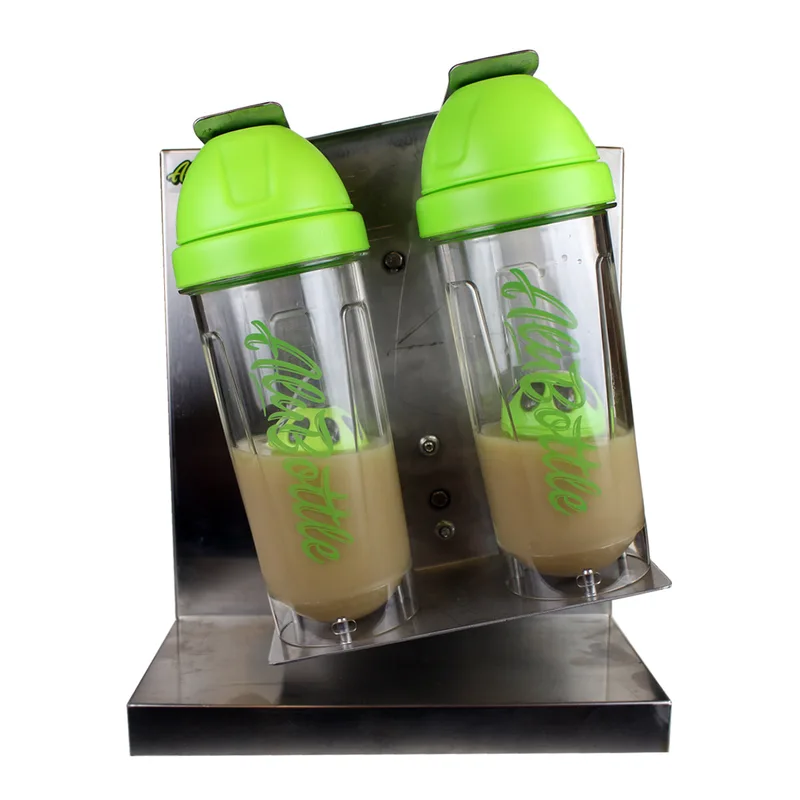
Made-to-order service
AluBall Kava Machine
$1,500manufacturer list priceMotorized shaking for made-to-order shells. Kavafied explicitly markets this model to existing and new kava bars.
Who it fits. A bar offering individual preparations or multiple roots. Ask for a timed demo with your recipe before choosing it over batch production.
Work remaining & buying checks
Work remaining: Staff still load root and water, handle the bottles, pour, and clean. A button does not make the whole service sequence automatic.
Before buying: Request finished ounces per cycle, complete reset time, included bottles, replacement parts, and written commercial warranty terms. The listing does not establish hourly output.
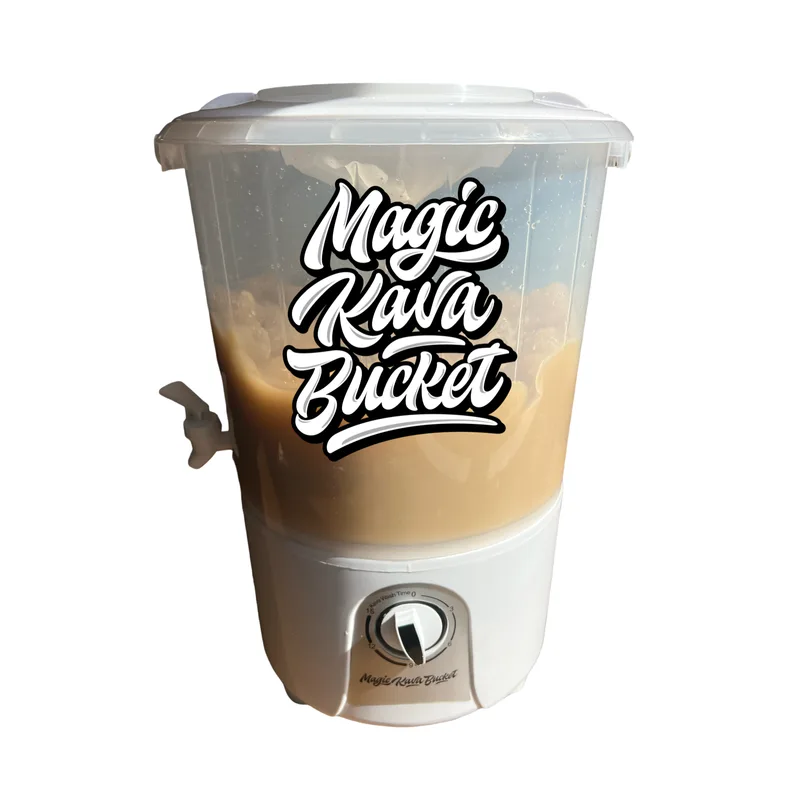
Automatic home batches
Magic Kava Bucket
$249.99manufacturer list priceMechanically beats, squeezes, and strains bagged root in water, replacing the repeated hand-kneading motion.
Who it fits. A home drinker making larger shared batches who wants less kneading. The manufacturer's instructions specify household use only.
Work remaining & buying checks
Work remaining: Load the bag, add measured water, supervise the run, finish straining as directed, transfer, and clean. Its headline time is not a measured ready-for-the-next-batch time.
Before buying: Listing and collection availability signals differ, and imagery and description use different model references. Confirm the exact model, stock, and ship date before ordering.
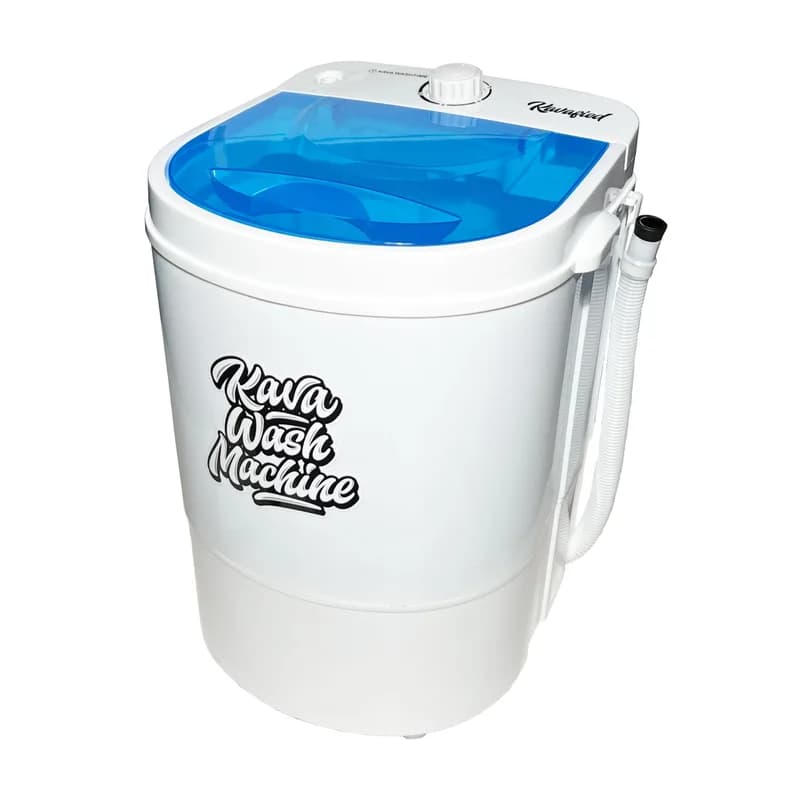
Electric batch agitation
Kavafied Kava Wash Machine
$249.99manufacturer list priceAn electric vortex agitates root held inside a zipper wash bag. The product listing describes up to three gallons of traditional kava per run.
Who it fits. Larger home batches with access to the specified 110V supply. The published instructions specify household use only; gallon capacity alone does not establish bar suitability.
Work remaining & buying checks
Work remaining: Measure, load, drain, finish strain, transfer, and clean the vessel and bags. Those steps belong in your labor and turnaround measurements.
Before buying: An old June 1, 2026 preorder message remains on the listing. Confirm current fulfillment. The URL mentions a five-gallon bag; the stated beverage output is up to three gallons.
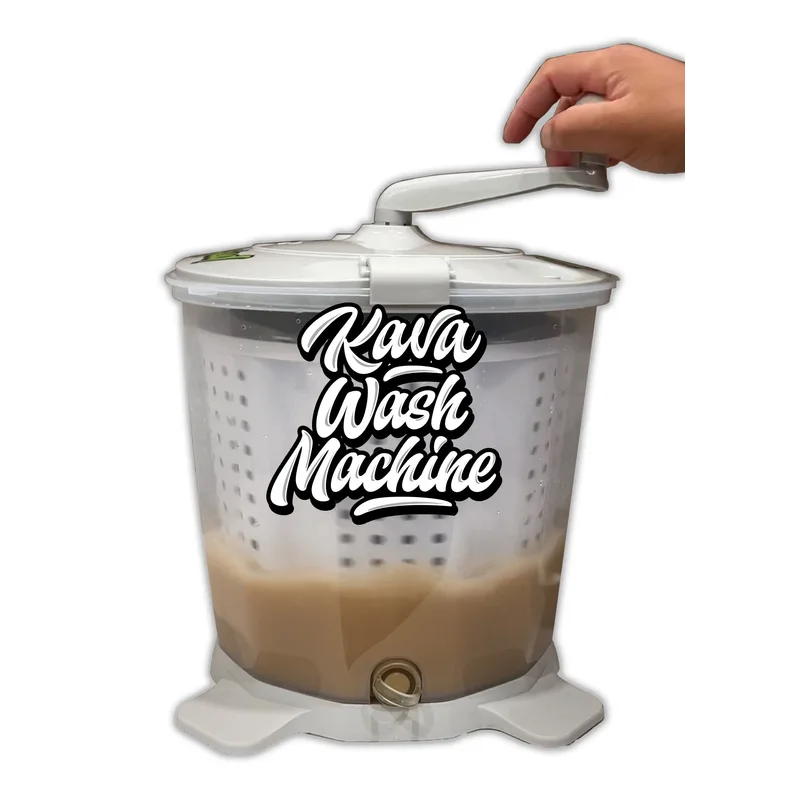
Manual batch assistance
Hand Crank Kava Wash Machine
$149.99manufacturer list priceUses a hand crank to agitate bagged root. It changes the manual motion and can make a shared batch without an electrical outlet.
Who it fits. A manual alternative for a home group or a setup without power. This is a labor aid, not an automatic extractor or a verified commercial production system.
Work remaining & buying checks
Work remaining: Someone must turn the crank. Loading, final straining, pouring, and washing remain, so do not count the crank time as unattended time.
Before buying: Confirm bag size, usable finished yield with your recipe, handle comfort, and spare-parts availability. A larger vessel does not guarantee a stronger or more economical batch.
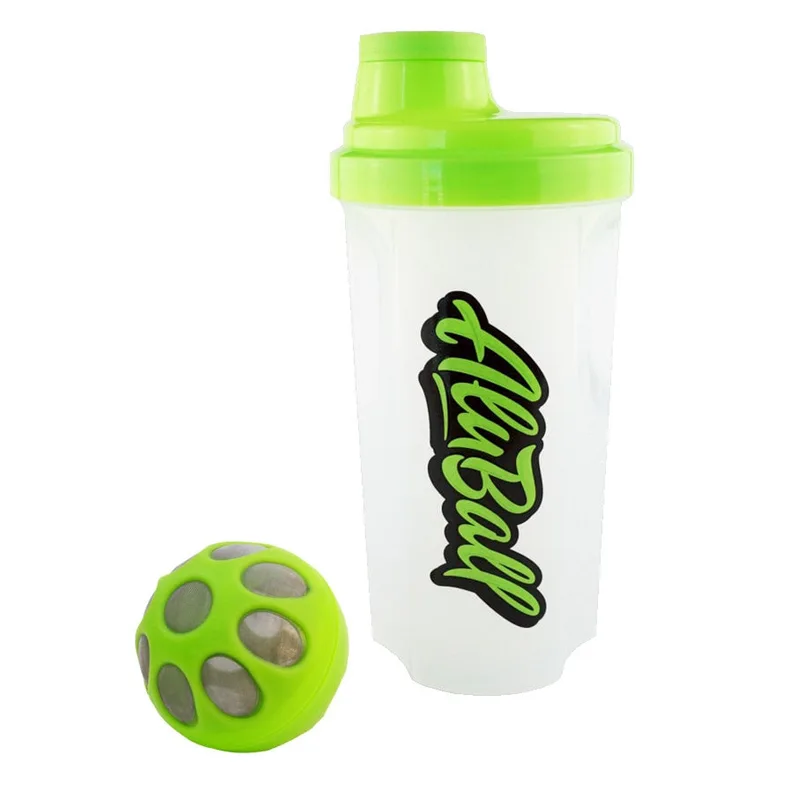
Quick personal preparation
AluBall Kava Maker
$24.99manufacturer list priceA reusable mesh ball holds medium-grind root inside a shaker bottle. You supply the shaking; the ball keeps the larger root fibers contained.
Who it fits. A low-cost starting point for one person, travel, or small recipe trials. It is the handheld maker, not the $1,500 powered bar machine.
Work remaining & buying checks
Work remaining: Load the ball according to its directions, measure water, shake, empty the spent root, and clean. Leave the specified space for the root to move.
Before buying: The 700 mL specification describes the bottle. Do not treat it as a promised finished serving volume. Compare the included bottle and ball when shopping marketplace bundles.
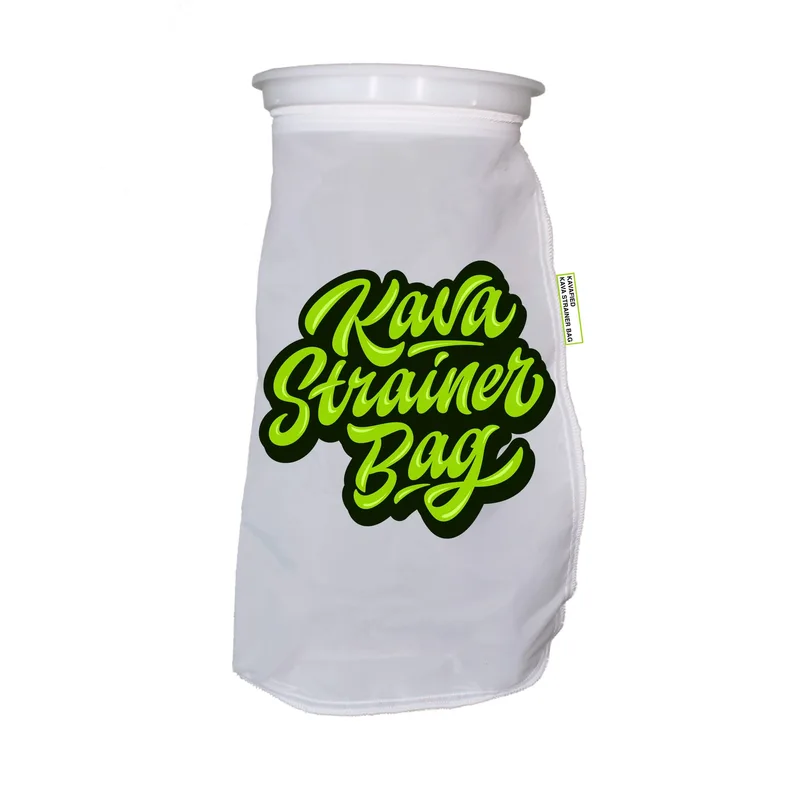
The useful first upgrade
Kavafied Pro Strainer Bag
$34.99manufacturer list priceA dedicated 75-micron nylon strainer gives you room to knead and a repeatable way to finish traditional or blender-assisted preparations.
Who it fits. A practical foundation for a new prep station, especially with a second bag ready while the first is being cleaned and dried. Compare size with your bowl or receiving vessel.
Work remaining & buying checks
Work remaining: The bag does not mix or knead for you. It improves handling and filtration while leaving the rest of the recipe under your control.
Before buying: Check seams, mesh condition, and the supplier's cleaning directions. Replace damaged bags; fine root escaping through a tear will not be fixed by a faster mixer.
How traditional kava preparation works
Kava traditions vary across Pacific communities. The sequence below describes a common contemporary method using dried, medium-grind root and a strainer bag; it is not a claim that every community prepares kava the same way. Understanding the sequence makes equipment shopping much easier: identify the step taking your time, then buy something that improves that step.
- Measure the root and water. Weigh a known root blend and measure the water instead of estimating with scoops. Write down both. Different root products and grinds can behave differently, so start with the supplier's preparation directions. A scale and a repeatable recipe often improve consistency before a motor enters the room.
- Load and wet the root. Put medium-grind root in a suitable kava strainer, close or hold the opening securely, and immerse it in the measured water. Give the root room to move. Follow any wetting or soaking instructions for that product; soaking is not a universal fixed extra step.
- Knead and squeeze in the water. Work the bag through the water, repeatedly compressing and massaging the root. Root & Pestle's published example uses 35 grams with 600 mL of water and about five to seven minutes of kneading. That is one supplier's recipe example, not a universal serving recommendation or machine specification.
- Finish straining. Lift and squeeze the bag as directed, keeping coarse root fibers out of the beverage. If your machine or recipe calls for a separate finishing strainer, include it. Inspect the bag rather than assuming that a clear-looking mesh has no tears.
- Measure, transfer, and serve or store. Record the actual usable liquid after straining and transfer. Input water is not finished yield: root retention, spills, and liquid left in a vessel matter. Use covered, labeled containers and your established storage and service procedure. Stir settled kava consistently before portioning.
- Clean, dry, and reset. Empty spent root, clean the bags and all wetted parts as directed, and reset the station. Start the clock at the first measurement and stop when the next batch could begin. A short extraction cycle can still leave a long cleanup job.
See Root & Pestle's preparation directions for that recipe, and our traditional kava powder guide for choosing the input. If the basic drink is new to you, what kava is and how to drink it provide the context behind the preparation.
Make the slow step easier
Kneading takes too much staff time
Compare mechanical agitation with your current kneading routine, but measure the labor that actually disappears. A worker supervising a run or turning a crank is still working. If someone can use a machine's run time to complete other prep, record that separately from minutes spent actively handling the batch.
A blender plus a separate kava strainer is another partial shortcut. Blend the root and water using the root supplier's recipe and the appliance's permitted run times, then strain into a separate vessel. Kalm with Kava publishes a blender preparation method. Never put a strainer bag near moving blades. Blending changes the agitation step; it does not make medium-grind root an unstrained drink.
For a larger station, commercial immersion equipment can be easier to handle than repeatedly emptying a small countertop jug. The Waring WSB50 specification sheet describes a removable-shaft commercial blender with a general mixing capacity of ten gallons. That is not a verified ten-gallon kava yield. Treat it as a candidate to test with a separate straining setup, not a proven kava extractor.
Straining and transfer make the mess
Start with a bag sized to the batch, a stable receiving vessel, and a clear place for the wet bag to drain. A second strainer can keep the next batch moving while the first is cleaned and dried. Match the vessel opening to the bag and the pouring route to your storage container. A deep vessel that is awkward to lift can move the bottleneck from kneading to transfer.
Compare dedicated bags in our strainers and shaker cups guide. Buying a faster mixer will not fix an undersized strainer, a torn seam, or a pour that spills finished kava onto the counter.
Measuring and resetting slow every batch
Build a small, repeatable station: a gram scale with enough capacity, a measured-water vessel, labeled root portions, spare bags, lidded food containers, and a written recipe. Keep the items in the order you use them. These inexpensive changes help new staff follow the same process as the person who developed the drink.
Cambro's FreshPro translucent containers are one named storage option in a range of sizes. Their graduations are approximate; use a dedicated measuring method when dialing in a recipe. Buy lids that match the exact container series. See the kava bar equipment list to fit the prep station into the rest of the bar.
You want almost no preparation at all
True instant kava removes the root-kneading step because the drink has already been prepared and dried. Check Root & Pestle's instant preparation directions and compare instant kava options. Fine-ground micronized root and concentrated extracts are different formats; “just add water” does not make their composition or menu role interchangeable.
For a low-cost manual middle ground, the KalmPouch holds root in a reusable pouch you shake in a suitable lidded container. Check the current price and filling instructions at Kalm with Kava. It saves some handling, but someone still shakes and cleans it. For guests who want a packaged drink instead, our kava drinks guide covers that separate route.
Choose a setup for your kava bar
Batch service: improve the station before sizing a machine
Write down the volume you actually sell on an ordinary shift and during your busiest service window. If most kava is prepared ahead, a machine's advertised gallons per run is only the starting point. The useful output is saleable kava at your recipe, ready when service needs it.
Use one root lot and the same intended recipe to compare your current method with a candidate. Record weighed root, water added, finished yield, active staff minutes, and the complete elapsed time through cleanup. If two staff members work for ten minutes, that is twenty staff-minutes, even though only ten minutes passed on the clock. Repeat several batches and keep the slow run as well as the best one.
Then serve the samples through the same stirring and portioning routine. Check texture and consistency with your team, using unnamed samples if practical. A cheaper gallon is not a useful win if it changes the drink guests come back for. If a method needs more root to meet your target, put that cost into the comparison instead of quietly keeping the old recipe cost.
Made-to-order service: test the queue, not just the motor
The powered AluBall belongs on a shortlist when individual preparations, different roots, or a visible preparation ritual are part of the menu. Ask the seller to demonstrate your typical order sequence. Time bottle loading, the cycle, pouring, emptying, cleaning, and the next order—not just the advertised button-to-finish moment.
Run several orders in succession. Check where the operator waits, how many clean bottles the station needs, what happens when a part is unavailable, and whether noise interrupts conversation. A machine may prepare one order quickly while a queue still grows because loading and cleanup share the same hands. Your shell sizes and business plan should use that real service model.
Put the purchase decision in writing
Ask each seller for a complete equipment list and delivered quote. Include bags, bottles, strainers, spare seals, replacement parts, and any additional receiving or storage vessels. Ask which parts must be disassembled after each batch, which can be washed by your existing process, and how long routine replacement parts take to arrive.
Request a demonstration or a return arrangement that lets you validate your own recipe. Keep your existing preparation method available through the trial. A single production tool should not leave the menu dependent on one irreplaceable fitting. For a new venue, put that backup and any prep-space requirements into your opening checklist.
Calculate batch capacity and labor savings
Compare both methods against the same daily demand. Enter finished usable yield, not input water or vessel size. Enter active staff-minutes separately from complete elapsed batch minutes, including cleaning and reset. The calculator rounds up to whole batches and shows the resulting excess volume so it cannot quietly sell your leftovers in the math.
Start with a real batch.
Enter both methods to see daily batches, staff time, capacity, and excess production. Add costs for a monthly comparison.
No inputs are sent or saved. Results are estimates for one sequential prep station.How the estimates work
The capacity estimate assumes one sequential production station. Two machines do not automatically double output when they share a worker, strainer, sink, or storage space. Use your busiest production window to decide whether the estimated schedule is workable, and keep some room for a slower batch or a damaged bag.
Costs are optional. To compare them, include root and consumables per batch, an hourly labor value, operating days per month, each method's monthly equipment upkeep, and the new purchase cost. A shell-cost estimate uses the serving size you enter; there is no universal shell size. The denominator is daily demand, not all liquid produced.
Monthly savings include the value of staff time. That can mean time available for guests or other prep rather than a smaller payroll. Simple payback is purchase cost divided by positive estimated monthly savings; when savings are zero or negative, there is no positive payback to report. Financing, tax, downtime, and changes in sales are outside this estimate.
Without the calculator, use these formulas: daily batches = demand ÷ usable yield, rounded up; daily staff hours = batches × staff-minutes ÷ 60; daily elapsed hours = batches × full-cycle minutes ÷ 60. Price both methods using their own batch count and materials cost.
Take a batch test to the prep station
Use the printable test sheet or download the blank CSV worksheet below. Neither requires an email address. Run the existing method and the candidate with the same root lot and target recipe. Log at least three batches per method, including a normal cleanup, before filling the calculator with your results.
Bring the guide to the counter
The batch test kit.
One sheet. Both methods. The numbers you need to make the decision.
Record the operator, date, root lot, root grams, water added, usable finished yield, loading time, agitation time, finishing time, transfer time, cleaning time, total staff-minutes, and total elapsed minutes. Add tasting notes and any rework. Keep unexpected events such as a clogged bag or a spilled transfer in the record; they are part of the workflow you are buying.
Bring these five questions to the seller:
- What finished volume can this exact model produce with our recipe, and can we watch a complete run through cleaning and reset?
- Which tasks still require an operator, and how many bottles, bags, or receiving vessels does that sequence use?
- What intended use, duty cycle, warranty, and cleaning instructions apply to the exact model in the quote?
- Which replacement parts should we keep on hand, and what are their prices and delivery times?
- What is the total delivered cost, current availability, and return or trial arrangement?
For home use, shorten the same exercise: decide how much you usually drink, how much counter space you have, and how much cleaning you will tolerate. A shaker or true instant can be a better everyday purchase than a bucket you rarely fill. Start small unless your actual batch routine justifies the larger tool.
Frequently asked questions
Is there a machine that makes kava automatically?
Yes. The Magic Kava Bucket and electric Kavafied washer mechanize batch agitation, and the powered AluBall machine targets made-to-order bar service. None of the listings establishes a complete load-to-clean automatic production line. Root measurement, water, handling, pouring, and cleaning still need a plan.
What is the best kava-making machine for a bar?
The AluBall Kava Machine is the clearest explicitly bar-oriented option in this shortlist for individual preparations. For batch service, start with a measured prep station and test any proposed equipment against your real recipe, labor, yield, and service window. Published evidence is insufficient to name a universal commercial batch winner.
Where can I buy a kava machine?
Kavafied lists the powered AluBall, Magic Bucket, electric washer, hand-crank washer, and handheld AluBall directly. The handheld AluBall also has an Amazon listing linked in the comparison. Confirm the model, included accessories, price, stock, and ship date with the seller before buying.
Are the handheld AluBall and the AluBall machine the same product?
No. The handheld AluBall Kava Maker is a bottle with a mesh strainer ball that you shake yourself. The AluBall Kava Machine is a powered system marketed to bars. Their reviewed direct prices are $24.99 and $1,500 respectively, and their workflow and intended scale are very different.
Can I use a blender to make kava?
Yes, a blender can assist agitation when used with a suitable recipe and within its appliance limits. Medium-grind root still needs a separate straining step. Keep the strainer bag away from moving blades, and include decanting and blender cleanup when comparing its time with hand kneading.
Is a kava washer a normal washing machine?
The washer linked here is sold specifically for kava preparation with kava bags and operating directions. That is not a recommendation to repurpose laundry equipment. General mixing or washing capacity does not establish suitable food-contact materials, cleanability, or performance with your recipe.
Does a bigger machine make stronger kava?
Capacity does not establish strength. Root selection, weighed root, water, agitation, straining, and finished yield all affect the result. Compare preparations at the same intended recipe and check consistency; if you change the root input to meet your target, update the batch cost too.
What is the easiest way to make kava at home?
True instant is the shortest preparation route. If you want to prepare medium-grind root, a handheld AluBall or KalmPouch simplifies small batches, while a bowl and a roomy kava strainer gives you a flexible traditional setup. Choose by the amount you actually prepare and the cleanup you will do.
How much labor will a machine save?
Only a complete workflow test can answer for your bar. Measure total active staff-minutes through cleanup for both methods, then normalize to the same daily demand. A shorter motor cycle, a bigger vessel, or unattended agitation alone does not establish how many staff hours you will save.
Sources and how we chose these options
Product specifications, listed prices, and availability wording were reviewed September 5, 2026. Product links in the comparison go to the manufacturer; the optional Amazon link is a separate purchase route. Photographs are manufacturer product images. These are researched buying recommendations, not a claim that BestKavaBar physically tested the machines.
The shortlist prioritizes equipment actually marketed for kava, then clearly identified tools that improve a specific preparation step. Manufacturer claims are labeled. Missing throughput, commercial support, or inconsistent stock information stays visible instead of being filled in with estimates. No machine earns a higher recommendation because a purchase link can pay a commission.
Preparation sources include Root & Pestle's directions, its extraction-method research, and Kalm with Kava's preparation guide. Supplier experiments help explain process choices but do not establish performance for unrelated machines. Waring and Cambro links above support their respective equipment specifications, not a tested kava-production result.