
Tribe’s Growth Playbook: Key Takeaways
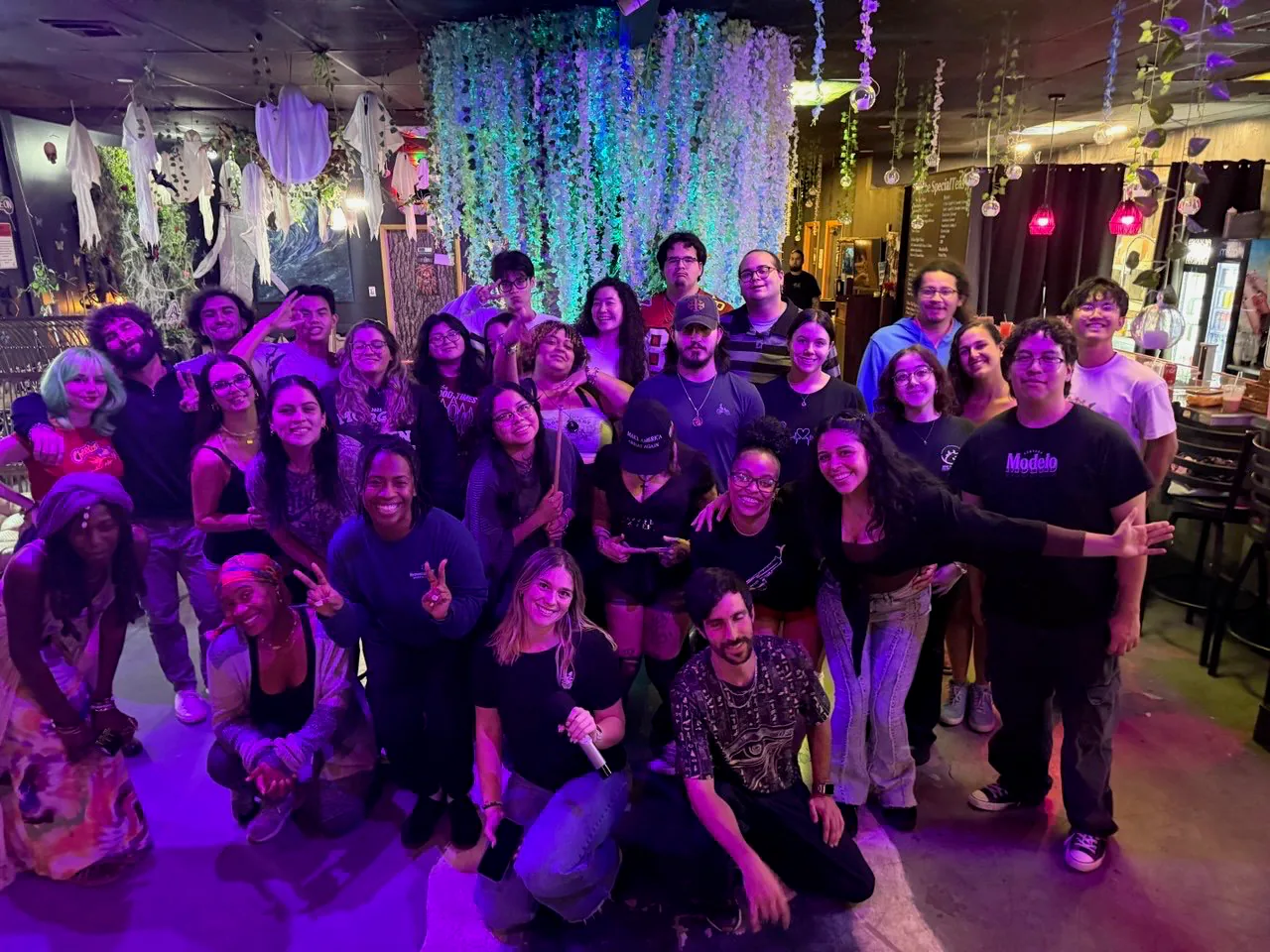
Tribe combines a welcoming community with the discipline to deliver a consistently great customer experience.
- Customer first: Staff personalities and relationships should serve the guest’s experience.
- Consistency builds trust: Drinks, hospitality, events, and marketing need dependable standards.
- Measure every shift: Kavatenders report KPIs so management can identify what works and what needs changing.
- Accountability makes standards stick: Clear responsibilities require support and follow-through.
- Invest in your people: Give employees recognition, responsibility, growth opportunities, and a recognizable presence.
- Build reasons to return: Events introduce new audiences; the experience turns visitors into regulars.
10X the Customers. What's Their Secret?
Something extraordinary is happening in the kava industry.
While plenty of kava bars are struggling to attract new customers, fill their seats, and build a loyal following, one South Florida lounge is operating on an entirely different level.
Tribe Tea Kava Lounge in Margate, Florida, is attracting an estimated 10 times as many customers as many other kava bars, with an especially remarkable influx of first-time visitors.
Not 10% more. Not twice as many.
We're talking about 10X the customer traffic.
According to BestKavaBar's 2026 industry research and tracking, Tribe Tea Kava Lounge is the #1 fastest-rising kava bar in the world this year.
And the evidence of its extraordinary popularity is hard to ignore.
As of October 2026, Tribe has accumulated more than 1,350 Google reviews while maintaining a 5.0-star rating. Its volume of genuine customer reviews has been outpacing even other leading kava bars nationwide by a staggering margin.
Tribe also received 1,000+ five-star Google reviews in a single year.
Customers are driving past half a dozen competing kava bars just to get there. Others are traveling hours to visit. First-time customers are discovering the place, falling in love with it, and coming back with their friends.
But here's the thing.
This isn't a story about a kava bar that figured out how to get more reviews. It's about a kava bar that figured out how to attract an extraordinary number of customers.
The review count isn't a measurement of foot traffic. That's a separate finding from BestKavaBar's industry research.
What the reviews offer is something arguably more interesting: a window into why this establishment is attracting so much attention.
We analyzed 339 recent Google review entries, including 310 with written feedback, looking for the patterns behind Tribe's remarkable popularity.
And one finding immediately jumped out.
Approximately 65% of those written reviews mentioned at least one staff member by name.
Think about that.
Nearly two out of every three customers who wrote something about their experience specifically recognized someone working at the bar.
That's an unusually personal level of customer engagement.
But it was only the beginning of what we discovered.
Because there's another side of Tribe's success that no Google review could fully explain.
A side that I personally witnessed long before the business became one of the industry's biggest success stories.
I knew there was something special about Tribe when it had barely 100 reviews.
Talking with one of its founders helped me understand how much is happening behind the scenes.
The secret isn't simply great kava, a beautiful interior, fun events, or incredibly friendly people.
It's the combination of all those things with something a lot of kava bars overlook:
Consistency. Accountability. Data. And a relentless commitment to putting the customer first.
That combination is what makes Tribe such a fascinating case study for the rest of the industry.
I Saw Something Different at Tribe Before It Blew Up
I've spent years visiting and frequenting hundreds of kava bars.
I've met countless owners, managers, kavatenders, and regulars. I've watched businesses open, grow, struggle, reinvent themselves, and sometimes disappear entirely.
I've seen beautiful establishments with expensive interiors struggle to fill their seats.
I've also seen relatively ordinary-looking kava bars develop incredibly loyal communities.
And after a while, you start noticing things.
Little things.
The way an owner talks to an employee. How a kavatender greets someone who's never visited before. Whether staff genuinely enjoy each other's company. Whether customers feel comfortable approaching strangers.
Things you won't necessarily find in a Google review.
When I first visited Tribe Tea Kava Lounge, roughly a year after it opened, I remember them having just over 100 Google reviews.
Nothing particularly remarkable about that number.
But within my first few visits, I started noticing something.
Tribe was different.
Sure, the place was beautiful. The drinks were great. The atmosphere was amazing.
But I'd been to plenty of kava bars with beautiful interiors and great drinks.
What stood out was the energy between the people running the place.
The founders. The managers. The kavatenders. The regulars.
Everyone seemed genuinely excited to be there.
Not because they were being paid to smile, but because they actually liked each other.
And the more I got to know the owners and their team, the more I realized this wasn't an accident.
There was an entirely different philosophy behind how Tribe operated.
I haven't personally visited in well over 15 months now. But when I recently started reading through hundreds of customer reviews, I immediately recognized something familiar.
The things customers are praising today are the same things I noticed before the business exploded in popularity.
And that makes this story considerably more interesting.
Meet Tariq and Rose: The Founders Behind the Tribe
Tribe Tea Kava Lounge was founded by Tariq and Rose, a married couple who, in my experience, approach running a kava bar very differently from many other owners I've encountered.

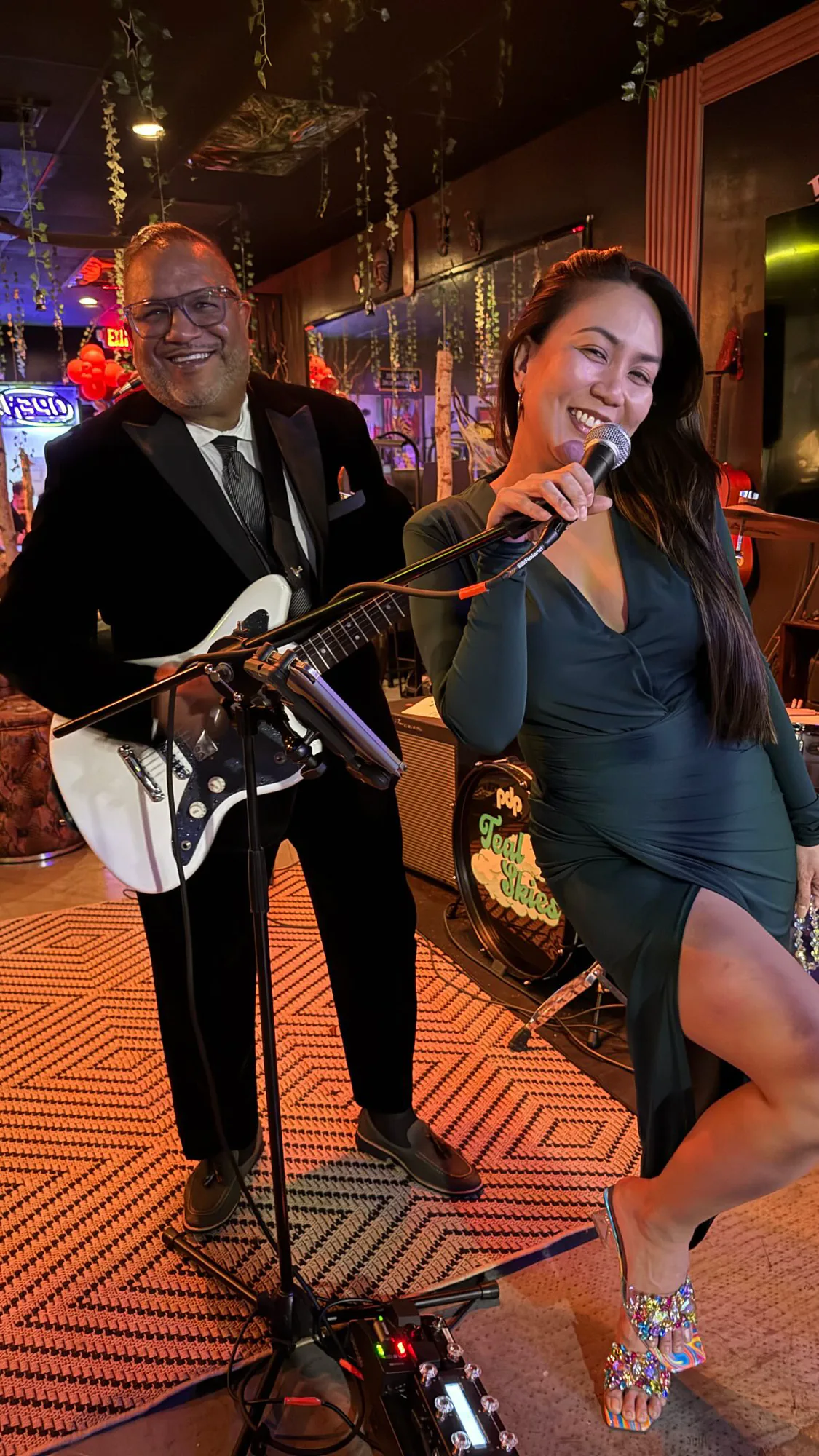
Here's something you might not know.
Tribe isn't their only business. Not even close.
Tariq and Rose own and manage other, much larger and more established businesses. They have serious responsibilities outside the kava industry.
From my conversations with them, Tribe seemed to begin as something closer to a passion project than a business they desperately needed to generate their primary income.
And while that flexibility may have played an important role in its development, we'll get into that later.
First, there's something else worth understanding about these two.
Despite having plenty of other responsibilities, they've been genuinely involved in the community they've created.
And when I say involved, I don't mean periodically stopping in to inspect the place, review sales, or make sure everyone is doing their jobs.
I mean actually spending time there.
I lived more than an hour and a half away from Tribe. There were nights when I'd finish visiting other kava bars, start heading home, and decide to swing by Tribe just to see what was happening.
Sometimes it was pretty late. Other nearby kava bars had already closed.
And sure enough, there I'd find Tariq and Rose.
And usually a bunch of their staff.
Not necessarily working, either.
Just hanging out. Talking, laughing, enjoying themselves, spending time together like a genuinely close group of friends and family.
I swear, if someone told me Tariq and Rose were secretly living at the bar, my immediate response would've been:
"I KNEW IT!"
Because seriously, these people were always there.
And what impressed me wasn't simply how much time the founders spent at Tribe.
It was how much time everyone else seemed to want to spend there, too.
You'd see kavatenders hanging out on their nights off. Staff socializing with regulars. Managers and employees interacting with the founders like people who had known each other forever.
The atmosphere felt incredibly natural.
And it was contagious.
When you walked into Tribe, you weren't just visiting a business.
You were stepping into a community that already existed, and somehow everyone made you feel like you were part of it.
That was my first clue that something unusual was happening.
But there's another side to the founders that I came to appreciate even more while working on this article.
Behind the Good Vibes, There's a Serious Business
Tariq identifies four priorities behind Tribe’s operation.
Consistency. KPIs. Accountability. Customer-first service.
Now, I know what you're thinking.
Those sound like something straight out of a business management textbook.
But don't underestimate them.
I've been giving kava bar owners similar advice for years, especially when it comes to consistency.
And I've seen firsthand how the absence of these fundamentals can destroy an otherwise promising establishment.
Because here's the reality.
A great community without good management can become chaos. And great management without a genuine community can create a business nobody particularly loves.
Tribe appears to have found a way to combine both.
The atmosphere is welcoming and relaxed.
The employees have personality and independence.
The founders treat their people like family.
But that doesn't mean anything goes.
Behind the scenes, Tribe also expects consistency, tracks performance, holds its team accountable, and keeps customers at the center of its decisions.
And that's where the real lessons begin.
Lesson #1: Don't Just Hire Employees. Build Partners.
This might be one of the most important pieces of Tribe's success story.
Tariq and Rose don't simply treat their employees like workers. They treat them like family. And in some cases, like actual business partners.
From what I've learned firsthand, some members of the team have even had equity or ownership stakes in the establishment.
I don't know everyone's individual arrangements, and I won't pretend to.
But the philosophy behind it was unmistakable.
Their best people weren't treated like disposable hourly employees.
They were treated like important contributors to something they were building together.
Think about how different that is from the typical relationship between an owner and a kavatender.
At many establishments, the owner makes the decisions, the manager enforces the rules, and the employees show up, work their shifts, collect their tips, and go home.
Maybe they care about the business. Maybe they don't.
At Tribe, I saw something else.
People who seemed genuinely invested in making the place better.
People who took pride in the atmosphere.
People who were comfortable taking responsibility and contributing their own ideas.
And people who seemed to view the establishment's success as something personal.
That kind of ownership mentality can be incredibly valuable.
But it doesn't happen just because an owner tells employees to care more.
You have to give people reasons to care.
Respect. Trust. Recognition. Opportunity. Fair compensation. A chance to grow.

And when appropriate, a genuine opportunity to participate in the success they're helping create.
Now, I'm not suggesting every kava bar owner needs to start handing out equity.
That's neither practical nor appropriate for every business.
But you can give people meaningful responsibility and make them feel like valued partners without changing your ownership structure.
And here's something important.
Treating employees like family doesn't mean abandoning professional expectations.
You can respect and empower your team while still expecting them to take their responsibilities seriously.
In fact, the more ownership you give people, the more important that responsibility becomes.
The takeaway: Don't just ask your employees to care about your business. Build an environment that gives them reasons to care and opportunities to make a difference.
Lesson #2: The Customer Comes First. Period.
This was one of the strongest points Tariq emphasized.
And I think it's especially important in the kava industry.
The customer is the reason the business exists.
Not the owner.
Not the manager.
Not the kavatender.
Not the establishment's social media presence, or its reputation, or even its beautiful atmosphere.
The customer.
Now, that might sound obvious.
But anyone who's spent enough time in kava bars knows how easily that principle can get lost.
Kava bars are social environments. Employees and customers develop friendships. Personalities become part of the attraction.
That's one of the industry's greatest strengths.
But it can also become a weakness when the lines get blurred.
Sometimes a kavatender starts making the entire experience about themselves.
Their personal drama. Their relationships. Their problems with management. Their disagreements with coworkers.
And suddenly, customers who came to relax are sitting through someone else's workplace soap opera.
There's nothing wrong with genuine friendships or personal conversations.
But customers shouldn't have to manage an employee's problems just to enjoy their drink.
Nor should they have to know the right person behind the counter to receive excellent service.
Tariq emphasizes this distinction.
Individual employees can have big personalities. They can develop personal followings. They can become beloved members of the community.
But their popularity should ultimately make the customer's experience better.
Not turn the bar into a stage for their own egos.
Think about the difference between these two approaches.
One kavatender talks nonstop because they love being the center of attention.
Another notices that a customer looks a little lost, introduces themselves, explains the menu, and helps them feel comfortable.
One is entertaining themselves.
The other is providing hospitality.
And sometimes exceptional hospitality means knowing when not to talk.
Maybe someone wants to study.
Maybe they've had a rough day.
Maybe they want to enjoy a quiet drink without being pulled into a conversation.
A truly great kavatender knows how to read the room and make the experience about the person sitting across from them.
That's customer-first service.

And when it's part of the entire team's culture, it creates an establishment where newcomers and longtime regulars alike can feel welcome.
The takeaway: Make customer-first behavior a clear standard. Train employees to recognize what guests need, keep personal workplace drama away from customers, and remember that great service is about making someone else's day better.
Lesson #3: Consistency Is Everything. Inconsistency Can Kill Your Bar.
If there's one piece of advice I've repeated more than almost anything else when talking to struggling kava bar owners, it's this:
BE CONSISTENT.
Seriously.
You can have an incredible grand opening.
You can have the best kava in town.
You can host an event that brings in 150 people.
But if the experience is completely different the next time those customers visit, you're going to have a problem.
Tariq specifically identified consistency as one of Tribe's most important operating principles.
And I couldn't agree more.
Because customers build expectations based on their experiences.
If someone orders an amazing drink on Monday, they expect that same drink to taste amazing on Thursday.
If they receive friendly, attentive service on Friday night, they expect to feel equally welcomed on Tuesday afternoon.
If your social media promotes an event, that event needs to actually happen.
And if you advertise certain hours, specials, or experiences, customers should be able to rely on them.
Consistency creates trust. Inconsistency destroys it.
I've seen establishments where a drink tastes fantastic when one particular kavatender makes it, but completely different when someone else prepares it.
Or where the atmosphere is amazing whenever the owner is there, but noticeably worse when they're gone.
Or where a bar heavily promotes weekly events for a month, then quietly abandons the entire calendar.
From the owner's perspective, these might seem like minor operational issues.
From the customer's perspective, they're broken expectations.
And enough broken expectations will convince even enthusiastic customers to stop returning.
This applies to nearly every part of the business.
- Drinks: Recipes, flavor, strength, preparation, and presentation should be dependable.
- Service: Customers should receive the same standard of hospitality regardless of who's working.
- Events: If you promote something, follow through.
- Marketing: Maintain a recognizable voice and consistent communication. Don't disappear for weeks because things got busy.
- Operations: Hours, menu availability, promotions, and staff responsibilities should be reliable.
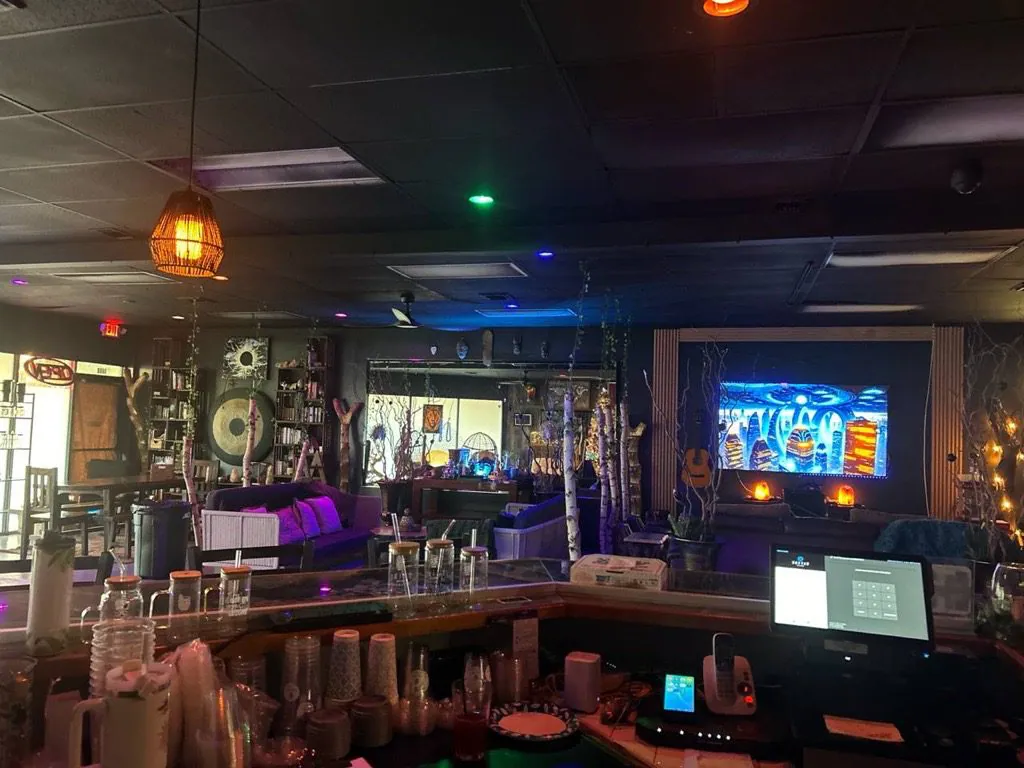
And here's what makes Tribe particularly interesting.
Their employees have different personalities.
Their events attract completely different crowds.
The experience on a peaceful weekday morning is very different from a packed themed rave.
Yet the consistent theme throughout the reviews is that people feel welcome and enjoy being there.
Consistency doesn't mean every visit has to be identical. It means the quality of the experience should be dependable.
That's a crucial distinction.
Tribe can experiment with drinks, host wildly different events, and encourage individual personalities without abandoning its underlying standards.
A great first visit gives someone a reason to return.
A consistently great experience gives them the confidence to keep returning.
The takeaway: Don't judge your business by its best night. Judge it by the standard customers can reasonably expect on any given visit, with any employee, during any shift.
Lesson #4: Stop Guessing. Start Tracking KPIs.
Here's something you probably wouldn't learn from Tribe's Google reviews.
Every kavatender reports key performance indicators at the end of their shift.
That's right.
Behind the beautiful atmosphere, live music, friendly regulars, and seemingly effortless community experience, there's an actual performance-tracking system.
Tariq explained that kavatenders report data covering areas such as sales, handouts, new drinks, and other shift-level activity.
That information goes to management and ownership to help them understand what's working, what isn't, and what deserves more attention.
And I absolutely love this.
Because too many independent businesses operate almost entirely on feelings.
"I think Tuesdays are getting busier."
"That event seemed successful."
"Customers probably love the new drinks."
"We handed out a bunch of samples, so hopefully that helped."
Maybe those assumptions are correct.
Maybe they're completely wrong.
Without data, you're guessing.
And when you're guessing, you can waste an enormous amount of time, money, and energy on things that aren't actually helping your business grow.
Now compare that with an establishment collecting consistent information across its shifts.
You can begin identifying patterns.
- What activities are contributing to sales?
- Which products are gaining traction?
- What happens when you introduce a new promotion?
- Which shifts are performing especially well?
- Are customers responding positively to new offerings?
- Where might the team need additional training or support?
- And what should management change next?
That's where KPIs become valuable.
But here's something important.
Collecting numbers isn't the same as using numbers.
I've seen plenty of businesses track all kinds of information without ever doing anything meaningful with it.
They have reports.
They have spreadsheets.
They have analytics dashboards.
And absolutely nothing changes.
That's not data-driven management. That's administrative busywork.
The real value comes from reviewing the information, identifying patterns, making decisions, and measuring what happens afterward.
If something is working, double down.
If something isn't, investigate why.
If an employee is producing exceptional results, learn from their approach.
If an event attracts a crowd but few customers ever return, maybe the experience needs improvement.
And if a particular drink is becoming a favorite, perhaps it deserves more attention.
Of course, the numbers have to be interpreted intelligently.
A kavatender with the highest sales isn't automatically the best employee.
A quiet daytime shift shouldn't necessarily be judged by the same standards as a packed Friday night.
And nobody should be so focused on hitting sales targets that they forget to provide good hospitality.
KPIs should help you improve the customer experience, not encourage employees to sacrifice it.
That's why Tribe's combination of community culture and performance tracking is so interesting.
On the surface, it feels like a friendly neighborhood hangout.
Behind the scenes, there's a business paying attention to what actually produces results.
The takeaway: Start with a manageable set of useful KPIs. Define them clearly, collect them consistently, review them regularly, and use what you learn to make better decisions.
You don't need expensive software to start.
You just need to stop guessing.
Lesson #5: Accountability Turns Good Intentions Into Results.
You can hire amazing people.
You can create a wonderful culture.
You can give employees freedom, responsibility, and opportunities for ownership.
But none of that eliminates the need for accountability.
In fact, the more independence you give your team, the more important accountability becomes.
Tariq made this point very clear.
At Tribe, kavatenders are expected to follow through on their responsibilities and the commitments they make.
And that makes perfect sense.
Because a business can't run on good intentions alone.
- If someone says they'll handle something, it needs to get handled.
- If a standard is established, it needs to be maintained.
- If an event is scheduled, someone needs to make sure it's properly prepared and promoted.
- If shift reporting is required, the information needs to be completed accurately.
- And if something goes wrong, there needs to be a process for correcting it.
Not just shrugging and hoping tomorrow is better.
Think about how directly this connects to the previous lessons.
Consistency requires accountability. You can't maintain dependable standards if nobody is responsible for following them.
KPIs require accountability. Tracking data means little if employees don't report accurately or managers never act on the findings.
Customer-first service requires accountability. If customers repeatedly receive poor treatment, leadership needs to address it.
And accountability shouldn't be confused with micromanagement.
A manager doesn't need to stand behind every employee watching everything they do.
But everyone should understand what they're responsible for and what success looks like.
Here's another point that gets overlooked.
Accountability actually protects a great workplace culture.
Because when standards aren't enforced, the responsible employees often end up doing extra work to compensate for everyone else.
That's not fair to the people working hard.
And it's certainly not fair to customers.
A good team should be able to trust one another.
And trust becomes much easier when people consistently do what they say they're going to do.
Of course, accountability has to work both ways.
Owners and managers need to follow through on their commitments, too.
You can't expect employees to take responsibility while leadership constantly changes expectations, fails to provide proper support, or ignores its own promises.
A great culture without accountability can become chaos. Accountability without a great culture can become miserable.
The magic happens when you get both right.
The takeaway: Establish clear responsibilities, give your team the tools to succeed, follow up on commitments, and address problems fairly. Respect and accountability should reinforce each other, not compete.
Lesson #6: Their Kavatenders Aren't Just Employees. They're Personal Brands.
Now here's something I noticed at Tribe that I thought was genuinely brilliant.
And even after years of watching the kava industry, it's still one of the more interesting approaches to employee-driven marketing I've encountered.
Tribe gave its kavatenders dedicated Tribe-branded social media accounts, alongside the main business account.
Individual accounts centered around the people behind the bar.
And when those kavatenders posted, they could collaborate with Tribe's main account.
Think about how clever that is.
Every kavatender has an opportunity to develop their own following.
Their regulars can connect with them directly.
Customers get to know their personalities, favorite drinks, upcoming shifts, and the events they're excited about.
Meanwhile, the main business account helps amplify their content, and the individual accounts extend Tribe's reach into their own networks.
Instead of relying on one account to represent the entire establishment, you've got multiple personalities building relationships and contributing to the same brand.
It's a network of overlapping communities, all connected to one place.
And it works with something I've been saying about kava bars for years.
Your die-hard regulars often love their favorite kavatenders more than they love the establishment itself.
Think about how often someone asks who's working before deciding where to go.
People form friendships with kavatenders.
They develop routines around seeing them.
They share inside jokes.
They become part of each other's lives.
I've always believed this:
A 5/10 kava bar with a 10/10 kavatender will beat a 10/10 kava bar with a 5/10 kavatender almost every time.
You can have the fanciest interior, biggest menu, and most comfortable couches imaginable.
But if the person behind the bar makes customers feel unwelcome, very little of that matters.
On the other hand, put an incredible kavatender in an ordinary establishment and watch how quickly they develop a loyal following.
Tribe seems to understand that reality remarkably well.
But the truly impressive part isn't any one individual's popularity.
The Real Magic Isn't One Superstar. It's the Entire Team.
Remember our review analysis?
Of the 310 written customer reviews examined, approximately 65% mentioned at least one team member by name.
Devin alone appeared in more than 50 reviews.
Jocy, Ethan, Chio, Hailey, Vanessa, Ari, and other members of the Tribe crew also received repeated, enthusiastic praise.
Customers described employees remembering their preferences, making personalized recommendations, explaining unfamiliar products, and making them feel comfortable almost immediately.
One visitor described feeling like they'd made a friend within minutes of arriving.
Others described employees going out of their way to help first-timers enjoy the experience.
And that says something important.
I've visited plenty of kava bars where one exceptional kavatender seems to carry the entire establishment.
Everyone loves that one person.
The place feels completely different depending on who's working.
But Tribe's customer feedback suggests something bigger.
They haven't just found one amazing kavatender. They've built a culture that allows an entire team of talented people to create memorable experiences.
That's a much greater accomplishment.
Because when outstanding service becomes a team-wide expectation, the establishment isn't entirely dependent on any single personality.
And that brings us right back to Tariq's principles.
Individual creativity matters.
Personalities matter.
Employee empowerment matters.
But the customer still comes first.
The standards still matter.
The responsibilities still matter.
And the goal isn't to make employees famous.
It's to make the customer's experience exceptional.
One great kavatender can build a following. An entire team of great kavatenders can build an empire.
The takeaway: Give your team opportunities to develop their own identities and relationships. Promote your people, support their success, and build a culture where excellent service is the standard across every shift.
Lesson #7: Their Events Don't Just Entertain Customers. They Bring Entire Communities.
Another major pattern in Tribe's reviews involves its remarkably diverse event calendar.
We're talking about far more than standard bingo and trivia nights.
Customers mention live rock bands, jazz, blues, poetry, open mic nights, karaoke, line dancing, gaming tournaments, themed raves, DJ performances, pool, chess, and other creative gatherings.
One reviewer attended an X-Men rave dressed as Cyclops.
Another described showing up for an Undertale-themed event.
Someone else discovered Tribe while supporting their son's local rock band.
A gaming enthusiast praised a Nintendo Smash tournament and hoped the lounge would host more events like it.
And here's why this matters.
Every community you bring into your bar can introduce your establishment to an entirely new group of customers.
A musician has fans.
A gaming community has members.
An artist has supporters.
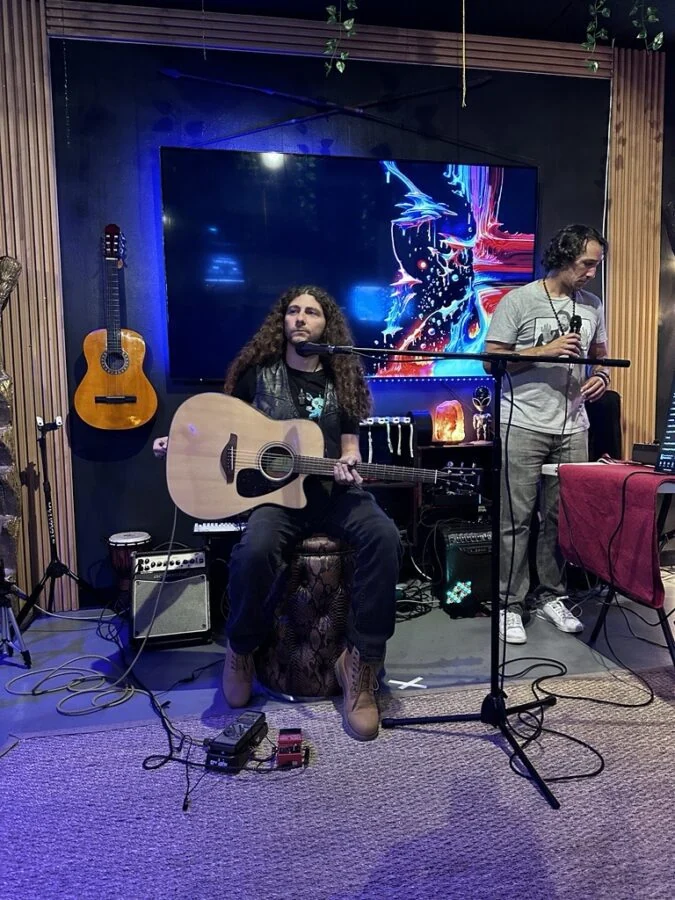

A themed event has an audience.
Many of those people might never search Google for a kava bar.
But they'll absolutely show up to support a friend, attend a tournament, or participate in something they're excited about.
And once they're through the door, something interesting can happen.
They discover the drinks.
They meet the staff.
They enjoy the atmosphere.
They make friends.
And suddenly, the kava bar itself becomes a reason to return.
That's how an event becomes much more than one busy night.
It becomes a customer-acquisition channel.
And when you host events for different groups, those communities start overlapping.

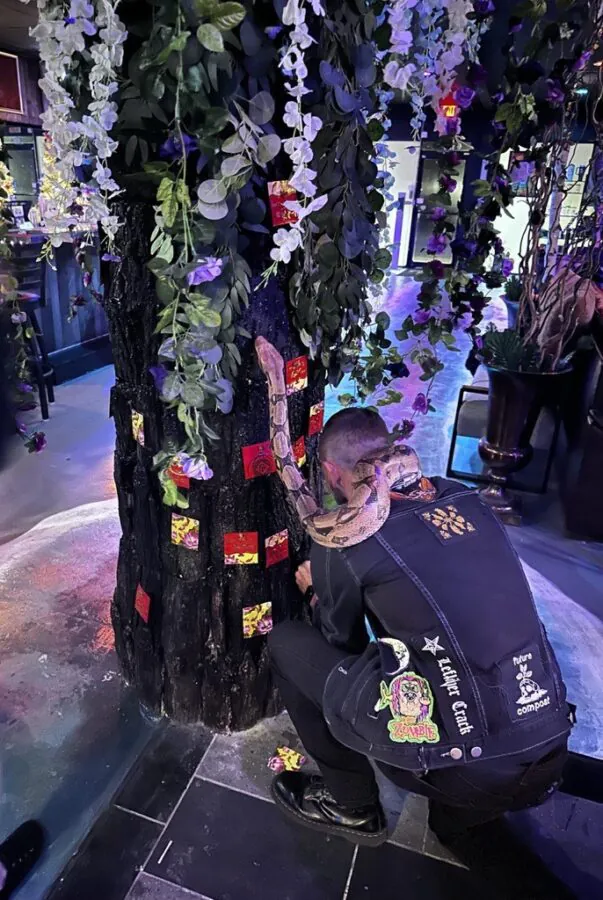
Someone who came for a gaming tournament discovers the live music scene.
Someone who attended a concert comes back to play pool.
Someone who showed up for a themed rave becomes friends with the staff and starts stopping by during the week.
Now you've got customers visiting for reasons that have nothing to do with the original event that brought them in.
That's a powerful growth cycle.
But there's another important lesson from Tariq's approach.
Hosting an event isn't enough.
You need to promote it consistently.
You need to deliver what was promised.
And you need to understand whether it actually helped the business.
- Did it bring in first-time visitors?
- Did those visitors enjoy themselves?
- Did they return?
- Was it worth repeating?
Those are the kinds of questions that turn events from random entertainment into a deliberate growth strategy.
The takeaway: Stop filling your calendar just to look busy. Build partnerships with communities that can introduce new customers to your bar, give those customers an exceptional experience, and track which events actually produce results.
Lesson #8: They Created a Destination, Not Just Another Neighborhood Kava Bar.
One of the most remarkable things we discovered in Tribe's reviews was how far some customers are willing to travel.
One reviewer described driving approximately 30 minutes to visit Tribe, passing at least six closer kava bars along the way.
Six.
Think about that.
South Florida already has one of the most established kava scenes in the country.
Customers have plenty of options.
Yet this person was deliberately passing several competitors to spend time at Tribe.
Another reviewer, Kenzi Saulsberry, described living in Daytona Beach and trying to make the trip down to Margate at least once a month.
After praising the staff, drinks, and entertainment, Kenzi summed it up perfectly:
"Tribe is like a second home to me!"
Other reviewers mentioned visiting from West Palm Beach and the Florida Keys.
These aren't simply people choosing the nearest place to get a shell.
They're choosing a particular experience.
And once a business reaches that point, something changes.
You're no longer competing exclusively on convenience or price. You're competing on experience.
Another bar can open closer to someone's house.
Another establishment can offer cheaper drinks.
Someone else can buy nicer furniture or install a bigger television.
But recreating an entire community of people who genuinely care about one another?
That's a lot harder.
The Experience Is Bigger Than the Drinks
Of course, Tribe's atmosphere and menu play important roles in this story.
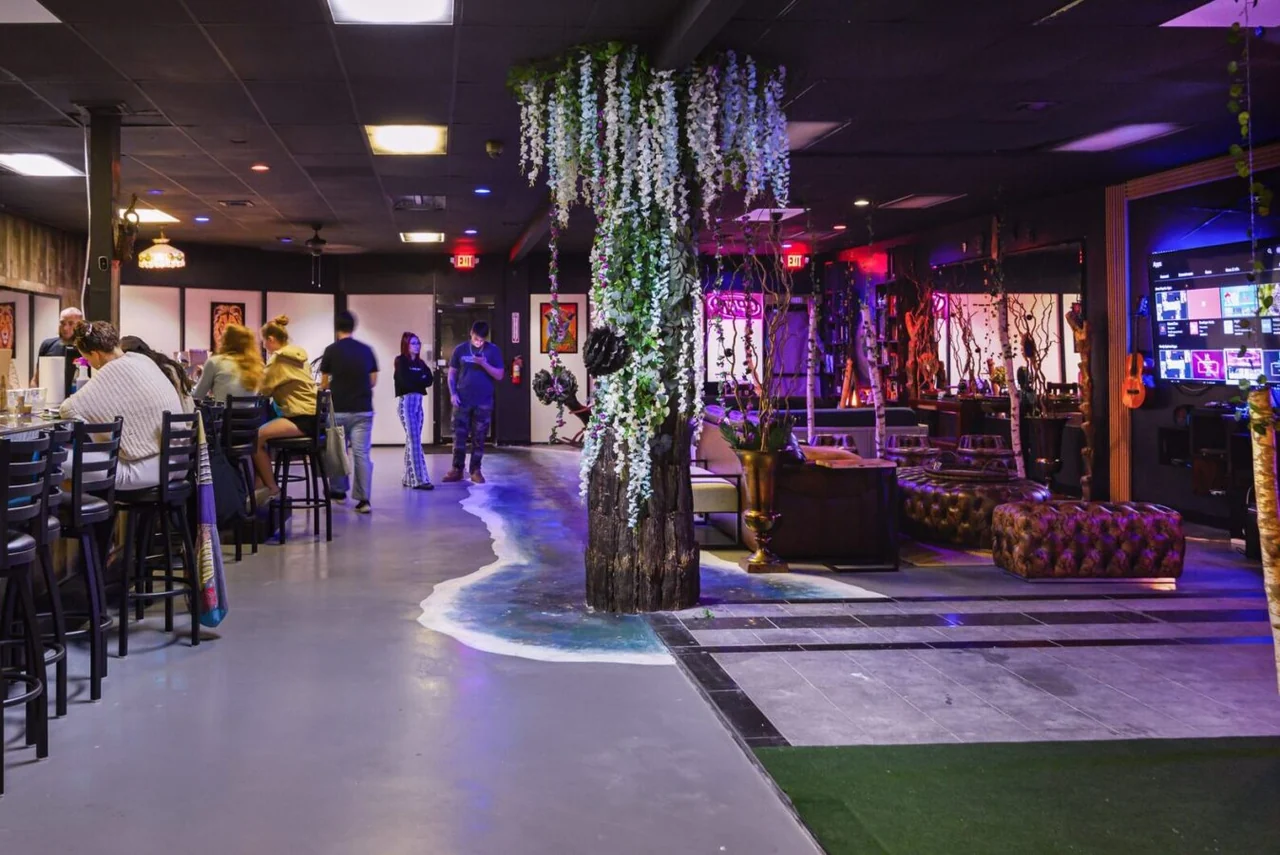
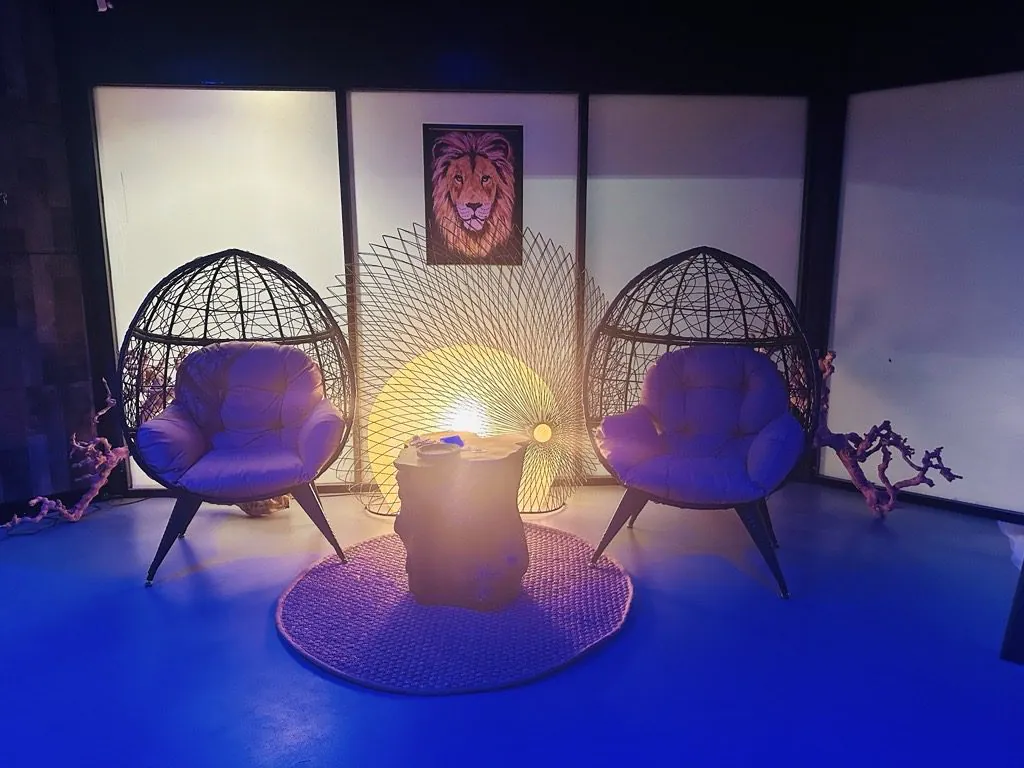
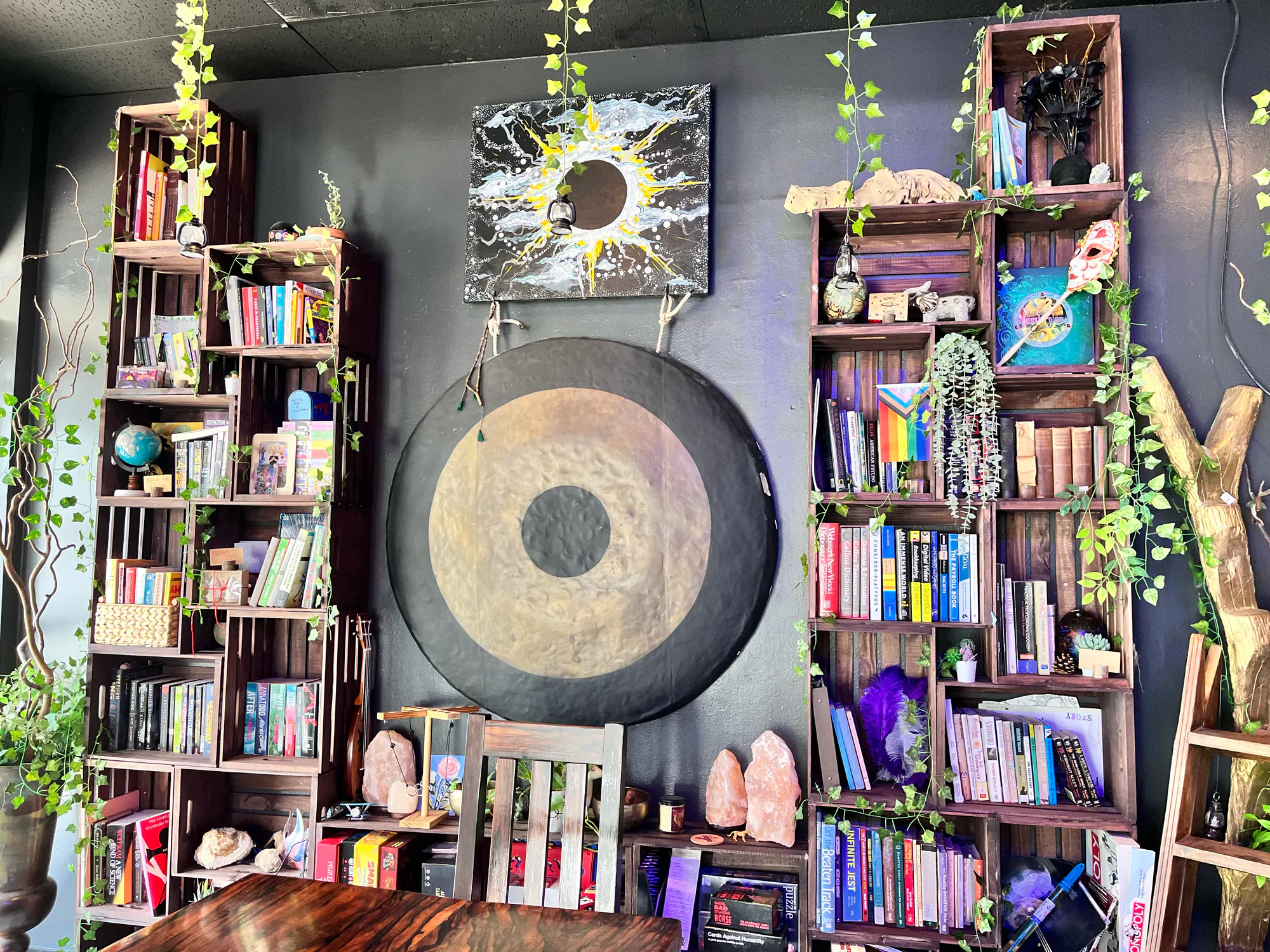
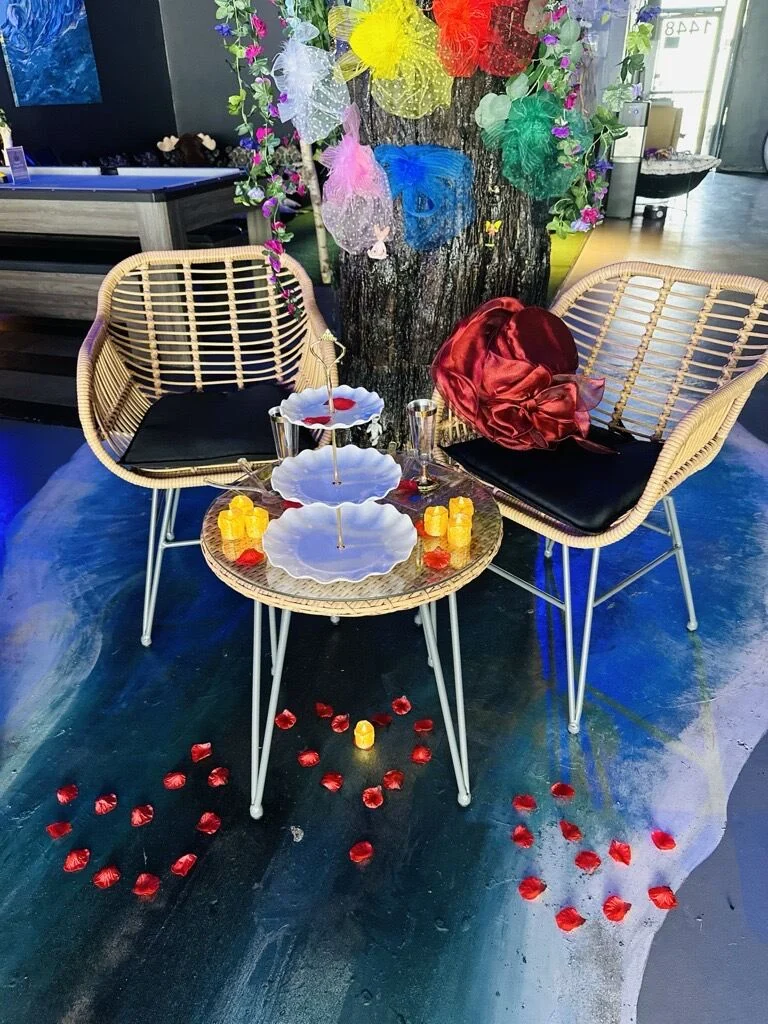
Its interior has a distinctive botanical, enchanted-forest-inspired aesthetic.
A large indoor tree, greenery, hanging chairs, cozy seating areas, and warm lighting create an environment customers repeatedly describe as magical.
Some compare it to a fairy garden.
Others describe feeling like they've stepped into another world.
And Tribe manages to create different experiences within that same environment.
During the morning and afternoon, reviewers describe studying, working on laptops, enjoying coffee, reading, and having peaceful conversations.
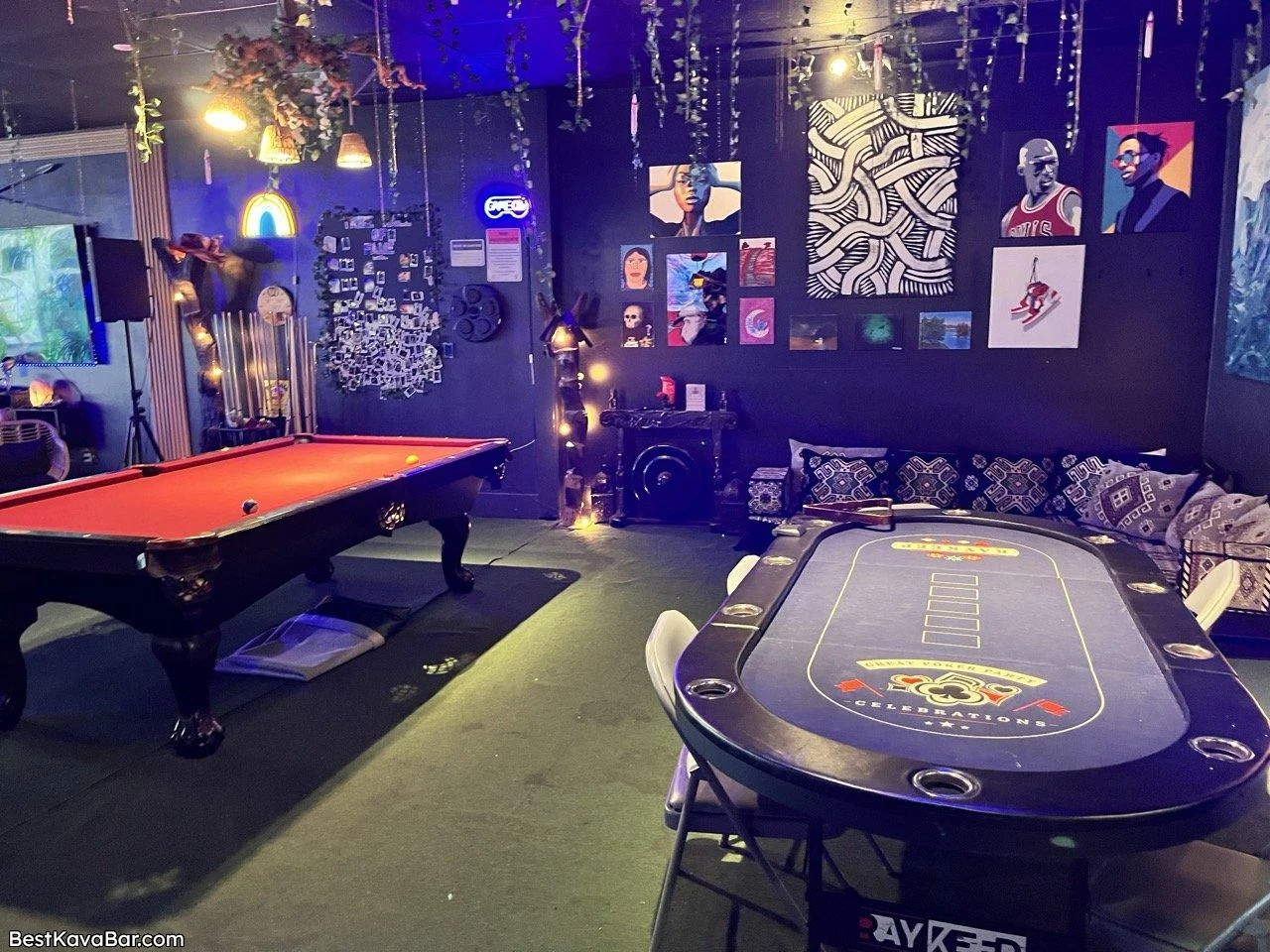
At night, the lounge can transform into a lively entertainment destination.
It's essentially a coffeehouse, creative gathering space, social club, and alcohol-free nightlife venue rolled into one.
Then there's the menu.
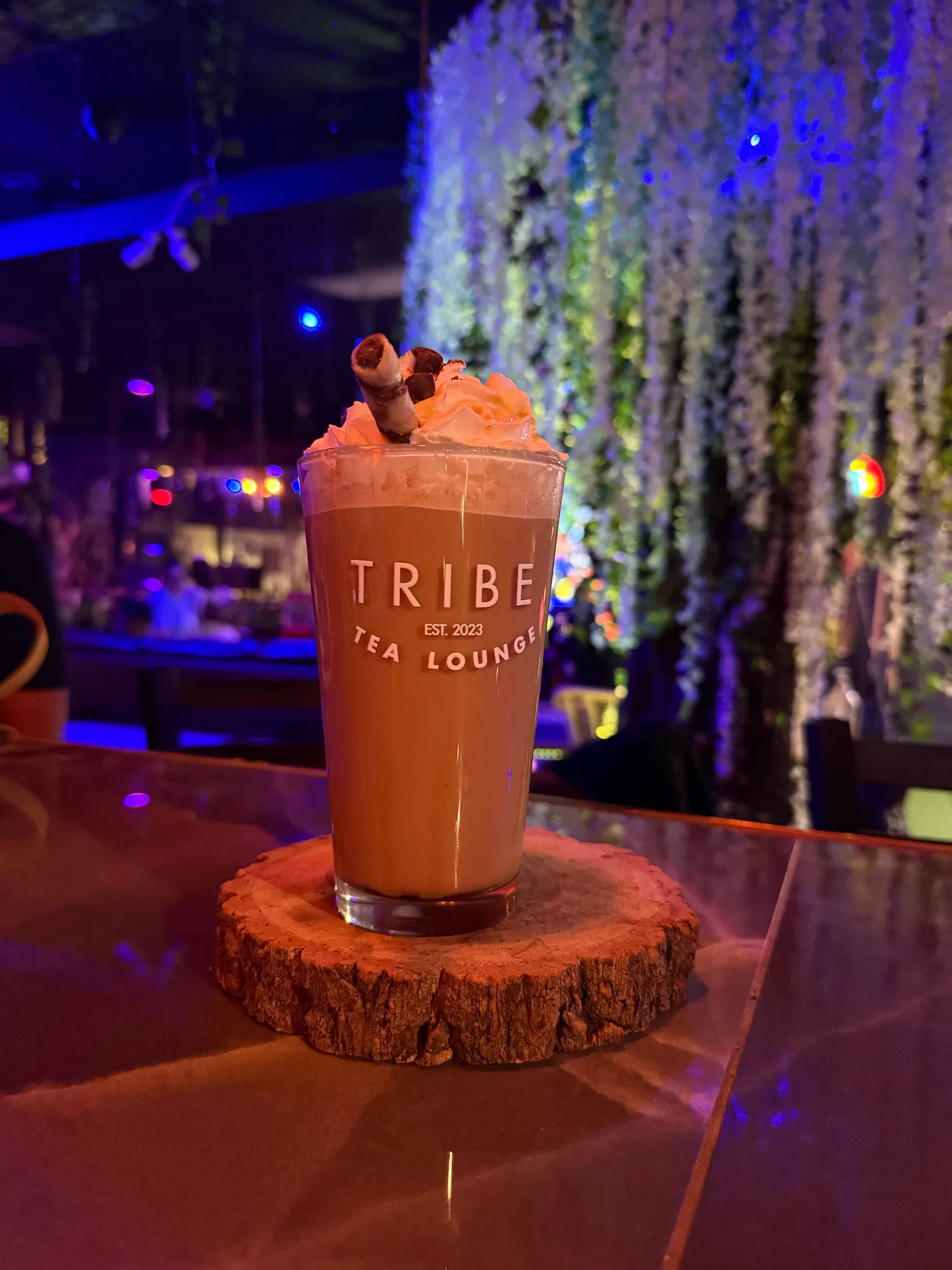
Experienced kava drinkers repeatedly praise its variety. One reviewer claimed the lounge offers more than 60 drink choices.
Customers mention favorites such as Lover's Lemonade, Purple Rain, Oreo kava drinks, Red Chocolada, K-Root Mimosa, Bombpop, specialty teas, and Cuban coffee.
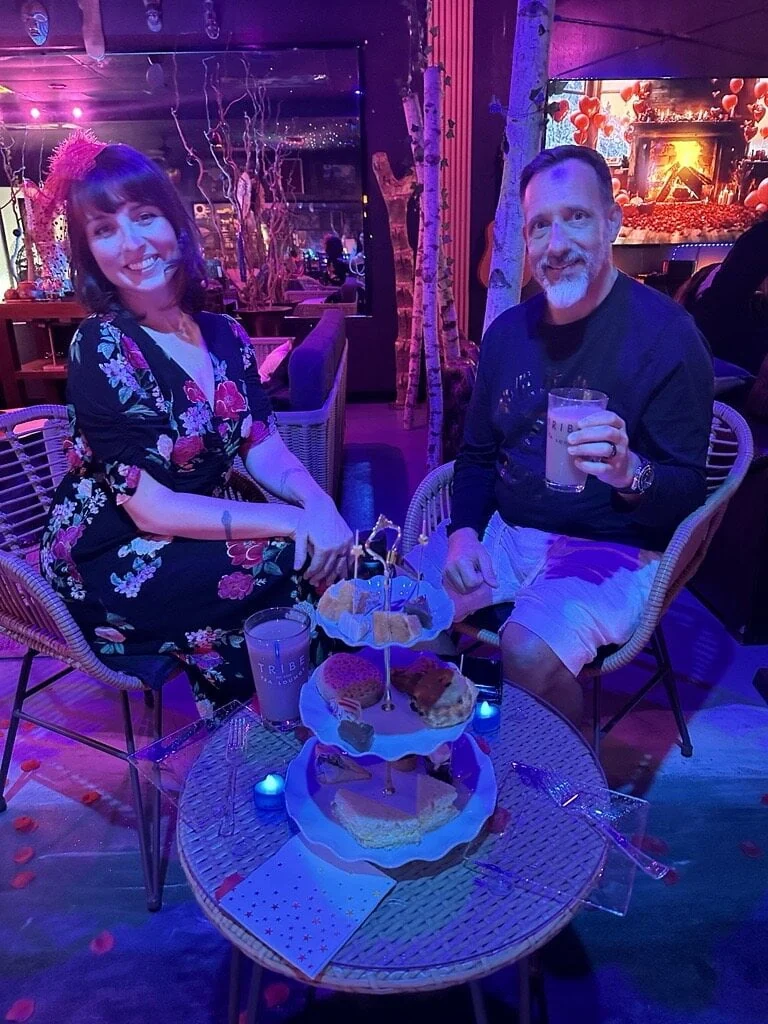
Food gets attention, too, including empanadas, homemade cookies, waffle fries, and rotating specialty offerings.
But the real difference isn't necessarily the number of things available.
It's how the staff help customers discover them.
Reviewers describe kavatenders explaining products, offering samples, asking about flavor preferences, and making personalized recommendations.
That's particularly valuable for someone visiting a kava bar for the first time.
And when you combine that personalized experience with an unforgettable atmosphere and a community that makes newcomers feel welcome, you begin to understand why people are willing to travel.
But here's where consistency becomes especially important.
Imagine driving past six other kava bars because your last experience at Tribe was incredible.
Now imagine arriving to find that your favorite drink tastes completely different, the service is terrible, and the event you expected has been canceled without notice.
How many more times would you make that trip?
Probably not many.
Becoming a destination is one accomplishment. Remaining a destination requires delivering on the promise every time.
The takeaway: Give people something distinctive enough to travel for, and build systems that make the experience worth repeating.
Lesson #9: They Had the Freedom to Grow the Right Way.
Now we need to talk about something that might be less exciting, but could be an important factor in Tribe's development.
Money.
More specifically, the freedom to make good decisions without being under constant financial pressure.
As I mentioned earlier, Tariq and Rose own and operate other successful businesses.
Tribe wasn't their only source of income.
From my conversations and observations, that appeared to give them some flexibility that many first-time kava bar owners simply don't have.
Think about what happens when someone opens a new kava bar with almost no financial cushion.
Rent is due.
Payroll is coming.
Inventory needs to be purchased.
Equipment breaks.
A slow Tuesday becomes a financial emergency.
The owner starts cutting expenses.
Hours get reduced.
Good employees leave.
Marketing disappears.
And every decision becomes about surviving another week.
That can create a vicious cycle.
Poor customer experiences lead to fewer returning customers.
Fewer returning customers lead to more financial pressure.
And more financial pressure leads to further compromises.
Tribe appeared to have room to approach things differently.
They could focus on building the establishment they wanted, developing their team, experimenting with events, and allowing a community to grow.

Now, I don't know Tribe's internal finances.
I don't know their profit margins, payroll, or exactly how much capital went into the business.
And having successful businesses elsewhere certainly doesn't guarantee success in hospitality.
Plenty of well-funded establishments fail spectacularly.
Money can give you the opportunity to build something special. It can't build the community for you.
But financial flexibility can make it easier to prioritize long-term growth over short-term desperation.
Interestingly, I wouldn't describe Tribe as a particularly cheap kava bar.
At least when I visited, their prices weren't especially low.
But they were generous in ways customers remember.
Complimentary house shells.
Occasional free shots.
Experimental elixirs shared with people at the bar.
Little gestures that made the experience feel less transactional.
And this is where Tariq's emphasis on KPIs becomes particularly interesting.
Generosity and business discipline don't have to be opposites.
You can create a welcoming, generous environment while still monitoring costs, tracking handouts, understanding promotional performance, and making informed decisions.
You don't have to choose between being community-focused and financially responsible.
The takeaway: Give your business enough runway to make good decisions. Invest in the things that bring customers back, understand your numbers, and avoid cutting the very experiences that make your establishment worth visiting.
The 10X Effect: How a Great Community Starts Growing Itself
Now let's put everything together.
Tribe has founders who genuinely care about their team.
A team that appears deeply invested in the business.
Kavatenders who have developed individual identities and loyal followings.
A distinctive atmosphere.
An extensive menu.
An entertainment calendar that introduces the bar to new communities.
And customers who feel personally connected to the establishment.
But there's another layer underneath all of this.
Customer-first service. Consistency. KPIs. Accountability.
These aren't separate from the culture.
They're part of what makes the culture sustainable.
Consider what a typical customer journey might look like.
Someone attends an event because their friend is performing.
They've never visited Tribe before.
A kavatender welcomes them, explains the menu, and recommends something they'll probably enjoy.
They end up talking with another customer.
Maybe they play some pool.
Maybe they stay longer than expected.
By the time they leave, they've had a genuinely memorable evening.
A few days later, they return.
This time, they bring a friend.
They receive the same welcoming treatment.
The drink they enjoyed the first time tastes just as good.
They discover another upcoming event.
They meet more people.
Soon, they're returning regularly.
And eventually, they leave an enthusiastic review because they want other people to experience what they've discovered.
That's an illustrative example, not the documented journey of one specific customer.
But it's exactly the kind of pattern that Tribe's customer feedback repeatedly suggests.
First-time visitors become regulars. Regulars develop friendships. Friendships become communities. And communities attract more people.
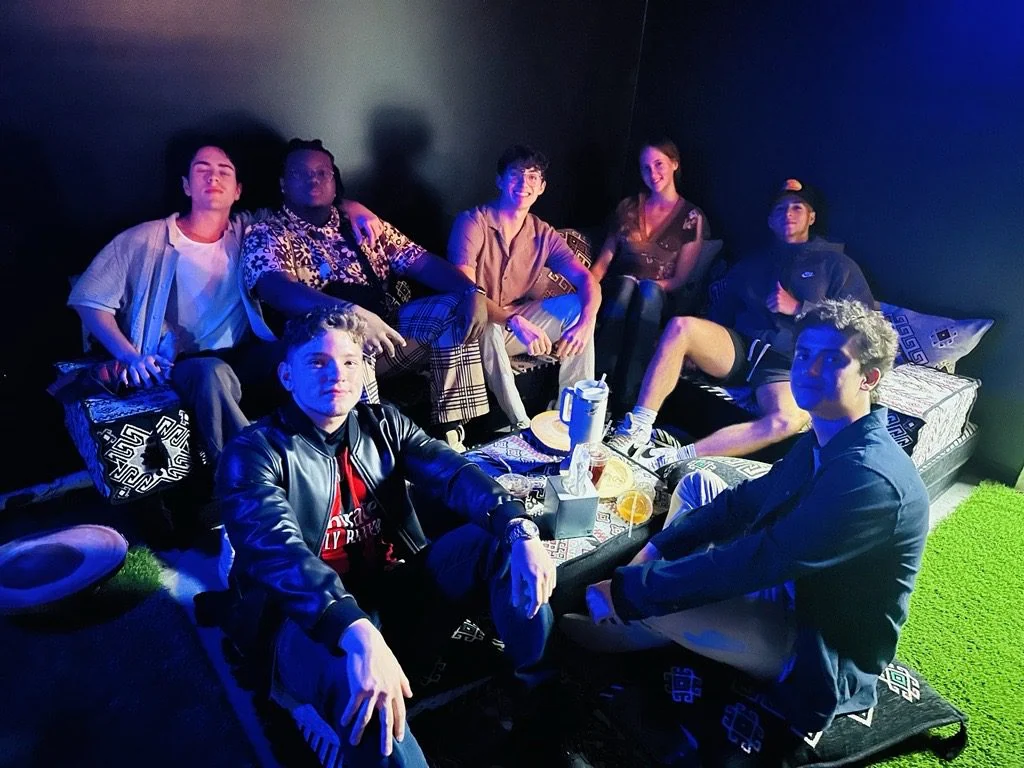
That's how a business can begin generating momentum that compounds over time.
And it's why Tribe's enormous review volume matters.
Not because reviews are the goal.
But because they're a visible reflection of customers having experiences worth sharing.
The reviews aren't the secret.
They're part of the result.
And what makes the entire operation so interesting is the combination of culture and discipline.
The events introduce people to the business.
The atmosphere makes an impression.
The staff build relationships.
The customer-first philosophy keeps the attention where it belongs.
Consistency makes the experience dependable.
Accountability helps maintain the standards.
And data helps the business understand what deserves more attention.
That's a much more complete explanation of Tribe's success than simply saying they have good vibes.
What Other Kava Bars Can Do: A Practical 90-Day Playbook
Now, I know some kava bar owners are going to read this and think:
"Okay, great. Tribe has successful founders, an incredible team, a beautiful lounge, and a huge following. But what am I supposed to do with that information?"
That's a fair question.
Because you can't simply copy Tribe.
And frankly, you shouldn't try.
Your establishment has its own personality, community, strengths, and challenges.
But the underlying principles are absolutely worth applying.
Here's where I'd start.
Days 1–30: Fix the Foundation.
Before spending another thousand dollars on advertising, examine the experience customers are already having.
Talk to your employees. Find out what's working and what isn't. Identify the recurring problems that make their jobs more difficult or hurt the customer experience.
Establish clear standards for drink preparation, service, cleanliness, event execution, and customer interactions.
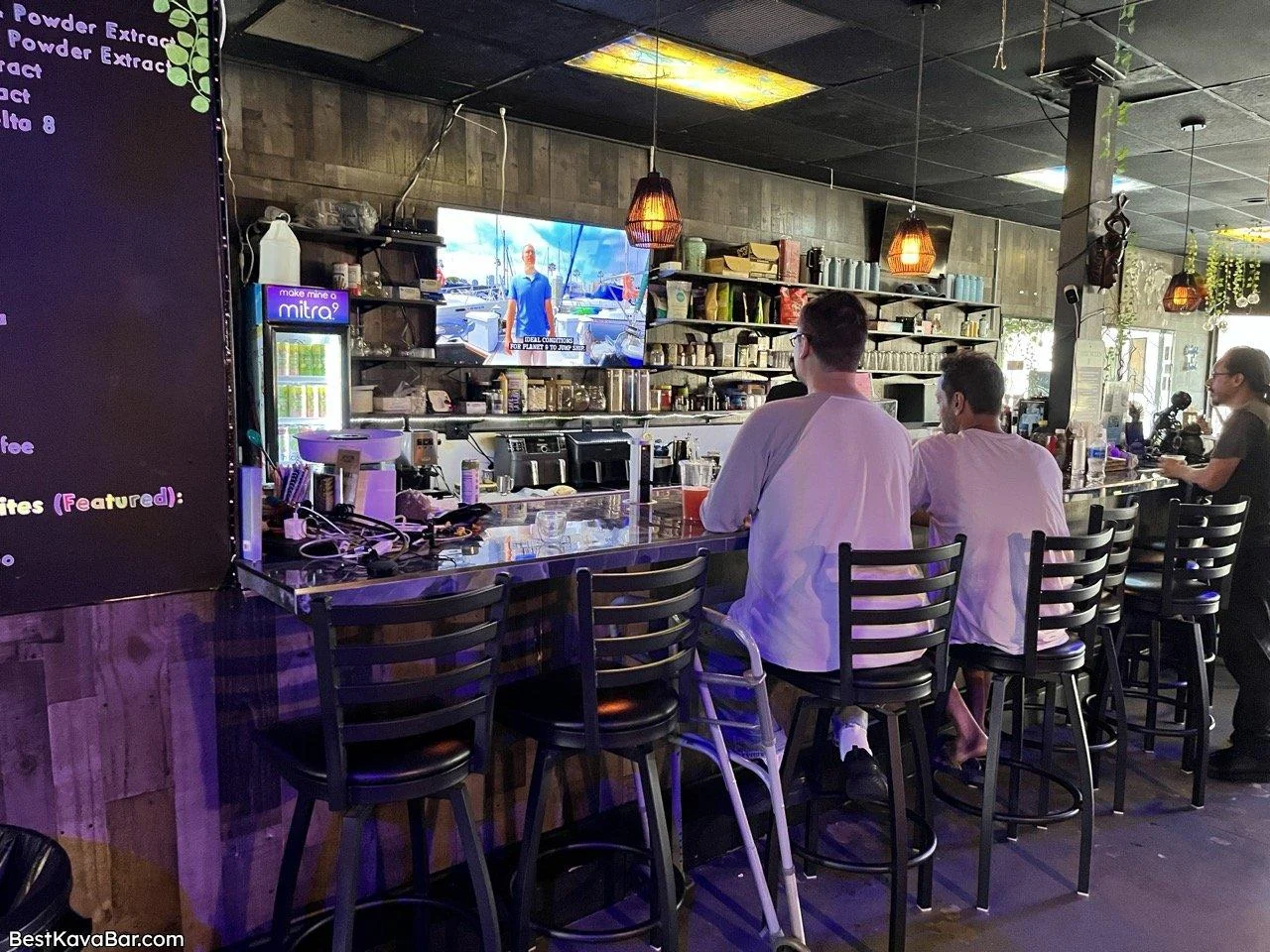
- Make sure first-time visitors receive a genuinely warm welcome.
- Start collecting a small set of shift-level KPIs. They don't have to be complicated, but they should be accurate and useful.
- Assign responsibilities and establish expectations for follow-through.
And perhaps most importantly, pay attention to what happens when you're not personally there.
Does the business still feel welcoming?
Are standards being followed?
Does your team take responsibility?
If the answer is no, figure out why.
Your goal for the first month isn't explosive growth. It's becoming consistently worth visiting.
Days 31–60: Give New People Reasons to Discover You.
Once the foundation is improving, focus on introducing your business to new audiences.
Identify a few local communities that aren't already represented among your regular customers.
Partner with musicians, artists, gamers, performers, or other groups that fit your establishment's identity.
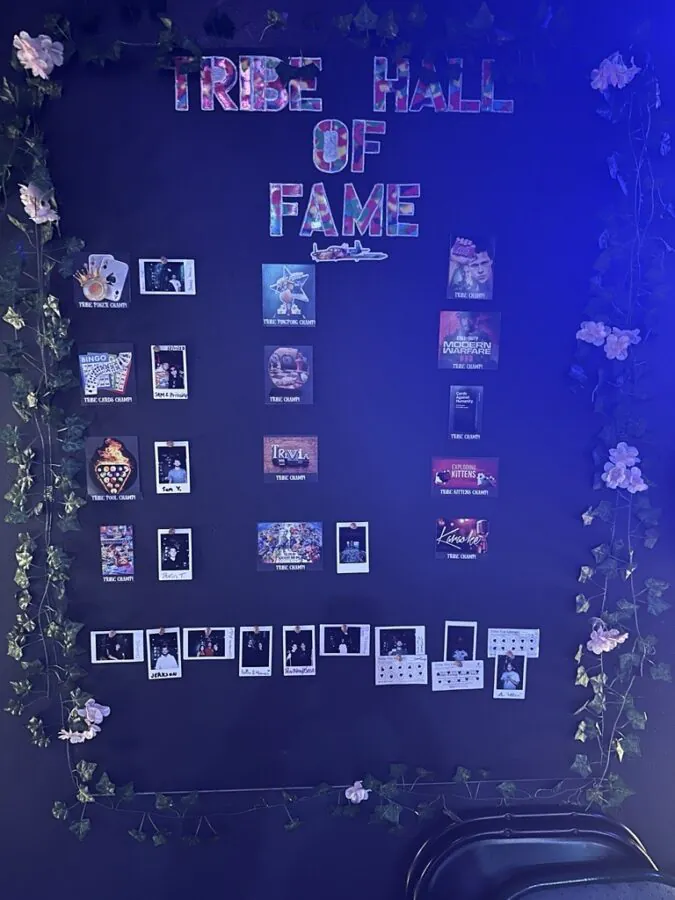
- Create events that give them a reason to bring friends.
- Feature your employees more prominently on social media.
- Develop recognizable signature drinks.
- Maintain a dependable marketing schedule.
- And make sure your team is prepared to deliver everything you're promoting.
Then measure the results.
Don't just ask whether an event was fun.
Ask whether it brought in new customers.
Don't just celebrate an Instagram post getting attention.
Ask whether it contributed to actual business activity.
Start learning which efforts produce meaningful results instead of simply keeping everyone busy.
Days 61–90: Turn Visitors Into Regulars.
Now focus on customer retention.
- Track first-time visits and look for repeat customers.
- Ask newcomers how they discovered your establishment.
- Pay attention to which events attract people who return later.
- Review staff performance alongside customer feedback.
- Recognize employees who consistently create memorable experiences.
Address recurring service issues.
And use your data to decide what deserves more investment.
Maybe a certain event series is bringing in an entirely new crowd.
Maybe a signature drink is becoming incredibly popular.
Maybe a particular employee has developed an approach to welcoming newcomers that the rest of the team could learn from.
Find those opportunities.
Then double down.
Don't expect to recreate Tribe's results in 90 days.
That's not the point.
The point is to begin building the systems, relationships, and experiences that can produce meaningful growth over time.
The goal isn't to manufacture a viral moment. It's to build a business people keep choosing.
One Final Reality Check: Even Tribe Isn't Perfect.
Before anyone gets the impression that Tribe is some magical establishment where absolutely nothing ever goes wrong, let's acknowledge something.
It's still a business.
With real employees, real customers, busy nights, occasional mistakes, and operational challenges.
Not every review was universally glowing.
A few customers described service delays, crowded events, or concerns about noise and pricing.
Those weren't dominant themes in the reviews we analyzed, but they were there.
And they're worth acknowledging.
Because the lesson isn't that successful kava bars never make mistakes.
It's that successful businesses create systems and cultures that help them recognize problems, maintain standards, and keep improving.
That is another reason Tariq's emphasis on data and accountability matters.
Community alone doesn't eliminate operational challenges.
You still have to manage the business.
You still have to maintain standards.
You still have to understand your numbers.
And you still have to hold yourself and your team accountable for the experience customers receive.
The reviews also can't tell us Tribe's exact profitability, payroll, employee retention rate, or customer acquisition costs.
Those are important measurements for any operator.
But the customer-facing patterns are unmistakable.
And combined with my firsthand experience and Tariq's insights into how the business is managed, they reveal a remarkably compelling picture of what's happening behind the scenes.
The Biggest Lesson: They Built a Tribe, Not a Bar.
I keep thinking back to those late nights when I'd swing by Tribe on my way home.
Sometimes I'd already visited several other kava bars that day. I'd be tired. It was late. And I still wanted to stop by.
Not because I needed another drink. Not because they had the cheapest prices. And not because I wanted to sit under a giant tree.
I wanted to see the people.
Tariq. Rose. The crew. Whoever happened to be hanging out that night.
Because there was something refreshing about the community they'd created. It genuinely felt like a big group of friends who happened to run a kava bar together.
And I remember thinking they had figured out something important. Something a lot of other owners were missing.
Fast-forward to October 2026. Tribe has more than 1,350 Google reviews, a 5.0-star rating, and extraordinary customer traffic.
I haven't visited in well over 15 months. But after reading hundreds of recent reviews, the most interesting thing isn't how much has changed.
It's how much appears to have stayed the same.
Customers still talk about the staff. They still describe feeling welcomed, making friends, and finding somewhere they belong. Some are driving hours just to experience it.
The numbers have grown. The reputation has exploded. But the underlying experience sounds remarkably familiar.
Tariq's account of how Tribe operates helps explain that continuity. The team has freedom to create and build relationships, alongside clear expectations for service, consistency, reporting, and follow-through.
They've combined the heart of a community with the discipline of a serious business.
I don't know whether Tariq and Rose ever set out to create the world's fastest-rising kava bar. My impression was that they simply wanted to create something special.
They had the resources and business experience to give it a real chance. They found incredible people, treated them with love and respect, and gave them opportunities to grow.
And through it all, they kept the customer at the center of the experience.
A little sugar, a little spice, and everything nice.
And somewhere along the way...
BOOM.
They assembled the kind of dream team that kava bar owners would kill for. A team that treats the business like its own. A community that makes strangers feel like friends. An establishment customers will drive past half a dozen competitors to visit.
That's not something you can create overnight. And it's definitely not something you can copy by buying nicer furniture or running another discount promotion.
You can build a beautiful kava bar with money. You can advertise a kava bar with money. But you can't simply buy a genuine community. You have to build it.
Then you have to keep delivering the experience that brought everyone together.
Great culture gives people a reason to fall in love with your business. Great execution gives them a reason to stay in love with it.

To Tariq, Rose, and the Entire Tribe Crew...
If you guys are reading this, BULA!
It's been way too long since I've visited. But seeing what you've accomplished, and reading what all these customers have to say about you, has been incredible.
I remember when Tribe had barely 100 reviews. I remember the atmosphere, the people, and thinking you were building something special.
Now the numbers are catching up to what I saw back then.
Keep doing what you're doing. Because whatever magic you've created in Margate, it's clearly working.
And to Every Kava Bar Owner Reading This...
Especially those struggling to attract customers, build a great team, or grow their community:
Don't just study Tribe's ratings or copy their events.
Study how they treat their people.
Study how those people treat customers. How they deliver a dependable experience. How they measure performance and follow through on commitments.
Then ask yourself:
Am I just running a kava bar, or am I building a tribe?
Because the difference can be enormous.
Maybe even 10X.
BULA!
Visit Tribe Tea Kava Lounge
Tribe Tea Kava Lounge
1448 N State Rd 7
Margate, FL 33063
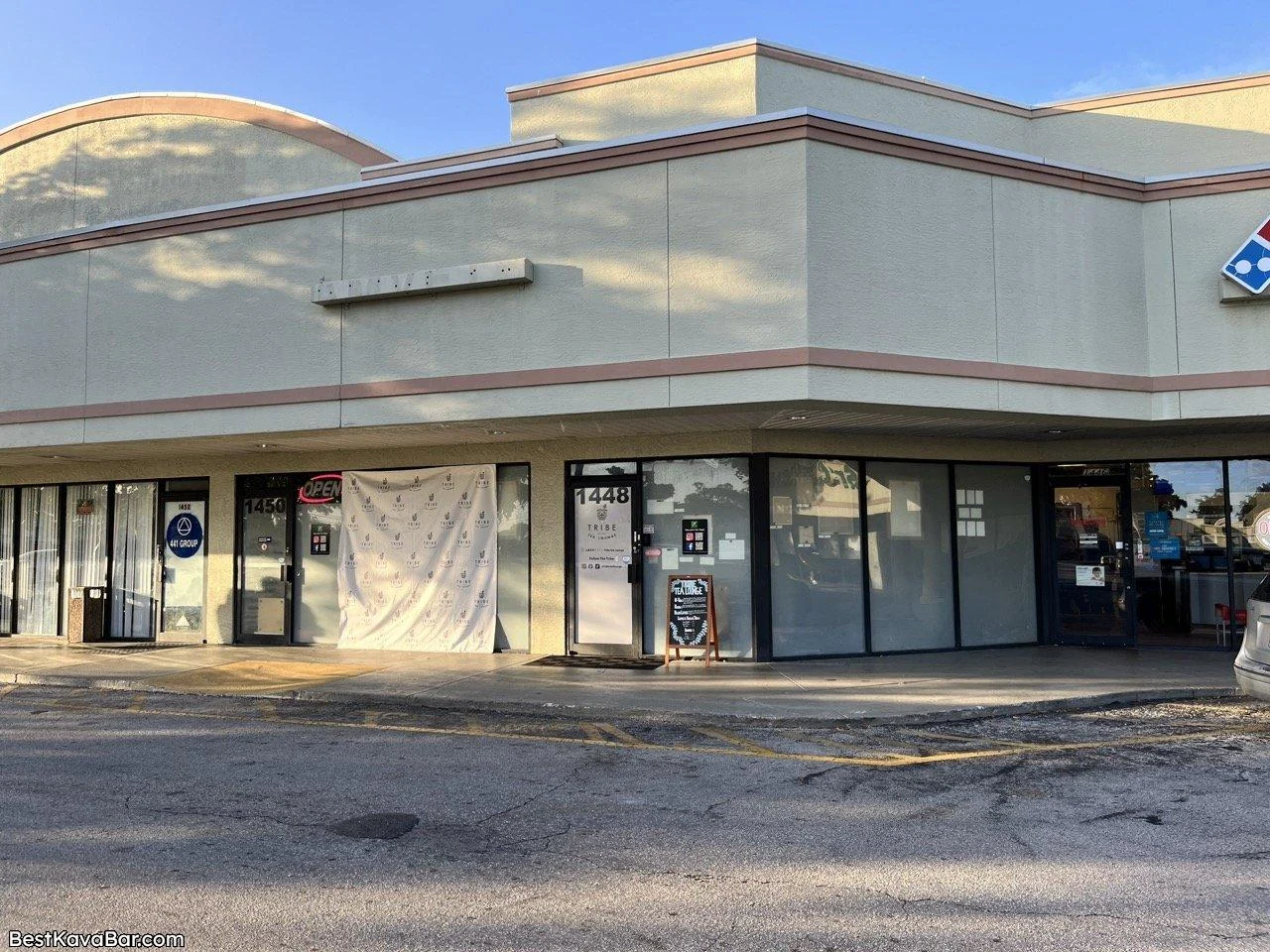
Tribe is an alcohol-free, 21-and-over kava and botanical tea lounge serving Margate, Coral Springs, and the greater Broward County community.
- Explore Tribe Tea Kava Lounge on BestKavaBar.com
- Visit Tribe's Official Website
- Discover Local Kava Bars, Deals, and Events on HappyKava
Check the venue's current hours and event schedule before visiting.
About this case study: BestKavaBar has tracked and documented the kava bar industry for more than a decade. This article combines BestKavaBar's 2026 industry research, an analysis of 339 recent Google review entries from Tribe Tea Kava Lounge, the author's firsthand experience visiting the establishment and getting to know its founders and team, and operational insights shared by co-founder Tariq. Customer-traffic comparisons reflect approximate industry research findings. Historical firsthand observations are distinguished from current customer feedback.